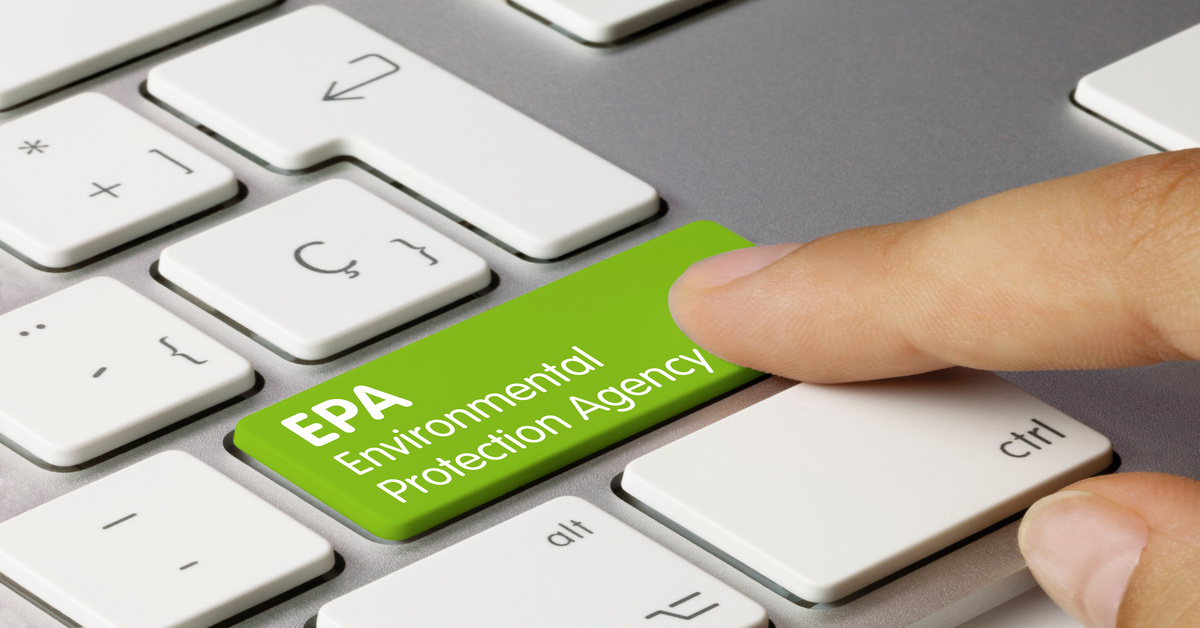
Running an industrial facility involves managing complex logistics, from supply chains to production schedules. Yet few responsibilities carry as much weight as managing hazardous waste. The Environmental Protection Agency (EPA) mandates strict protocols for handling dangerous materials, and slipping up carries severe consequences. Violations can lead to hefty fines, legal action, and lasting reputational damage.
Compliance goes beyond avoiding penalties. Adhering to these standards protects your workforce, the community, and the environment. You gain operational efficiency and peace of mind when you understand precisely what the EPA expects. By mastering the intricate web of federal regulations, you transform a potential liability into a well-managed aspect of your business operations. Here’s all about EPA regulations for hazardous waste.
The Foundation of Federal Waste Oversight
The EPA operates under the authority of the Resource Conservation and Recovery Act (RCRA). Congress enacted this law to address the increasing problems the nation faced from growing volumes of municipal and industrial waste. The RCRA gives the EPA the authority to control hazardous waste from the “cradle to grave.” This phrase encompasses the generation, transportation, treatment, storage, and disposal of hazardous waste.
Your responsibility for the waste does not end when a truck hauls it away. Under the cradle-to-grave framework, you retain liability for that waste throughout its entire lifecycle. If a disposal facility mishandles your waste years down the road, legal authorities can still hold you accountable. This enduring liability motivates businesses to maintain rigorous oversight of their waste management processes.
Understanding Generator Categories
The EPA classifies generators based on the amount of hazardous waste they produce in a calendar month. Your category determines the specific regulations you must follow. Large Quantity Generators (LQGs) produce 1,000 kilograms or more of hazardous waste per month or more than one kilogram of acutely hazardous waste. These facilities face the most stringent requirements regarding reporting, storage, and personnel training.
Small Quantity Generators (SQGs) produce greater than 100 kilograms but less than 1,000 kilograms of hazardous waste per month. While SQGs have fewer administrative burdens than LQGs, they still must obtain an EPA identification number and comply with specific storage limits. Conditionally Exempt Small Quantity Generators (CESQGs), now often referred to as Very Small Quantity Generators (VSQGs), generate 100 kilograms or less per month. These generators enjoy the most relaxed regulations but must still identify all hazardous waste generated and send it to an approved facility.
Identifying Your Hazardous Waste Stream
You cannot manage what you do not measure or identify. The EPA creates distinct categories to help facilities determine if their waste qualifies as hazardous. The regulations divide these into listed wastes and characteristic wastes. Listed wastes appear on specific lists published by the EPA. The F-list includes non-specific source wastes from standard manufacturing and industrial processes. At the same time, the K-list covers source-specific wastes from specific industries like petroleum refining or pesticide manufacturing.
Characteristic wastes might not appear on a specific list but exhibit properties that make them dangerous. Ignitability refers to waste that creates fires under certain conditions or possesses a flash point less than 60 degrees Celsius (140 degrees Fahrenheit). Corrosivity applies to acids or bases capable of corroding metal containers. Reactivity describes wastes that are unstable under normal conditions and might cause explosions or toxic fumes when heated, compressed, or mixed with water. Toxicity refers to waste that can leach harmful chemicals into the ground during disposal.
The Role of Waste Codes
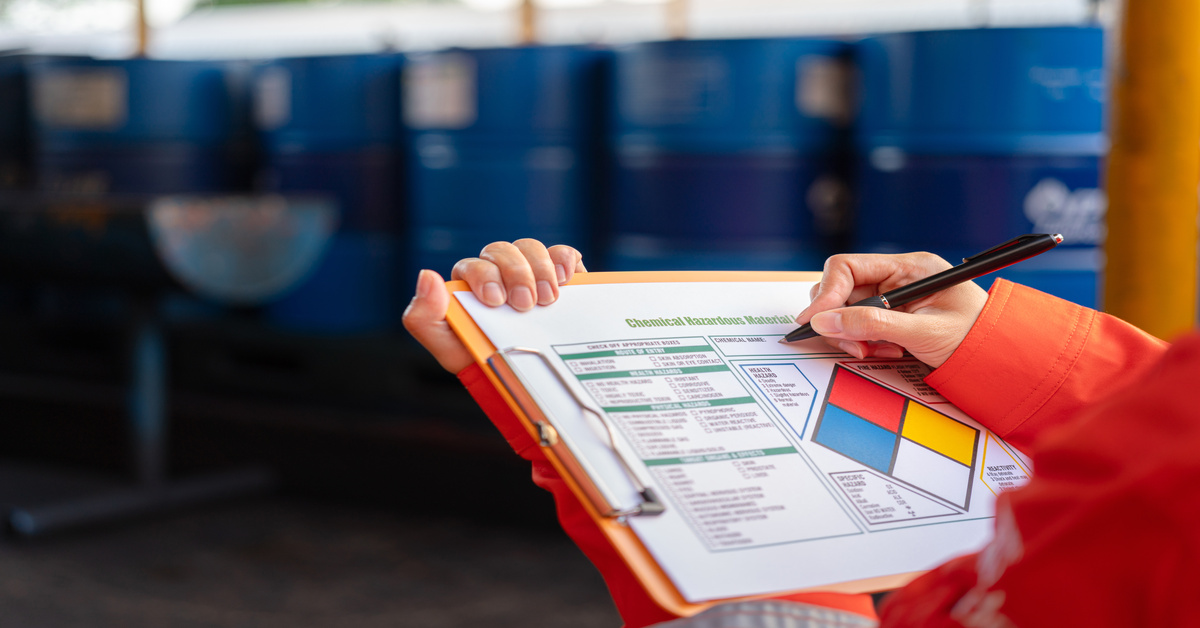
Assigning the correct waste code keeps your facility compliant. A four-character code identifies each hazardous waste type. For example, ignitable wastes carry the code D001. You must apply these codes to your waste manifests and reports. Accurate coding communicates the dangers of the waste to transporters and disposal facilities, allowing them to handle the material safely. Getting the code wrong can lead to improper treatment and significant regulatory violations.
Protocols for Handling, Storage, and Disposal
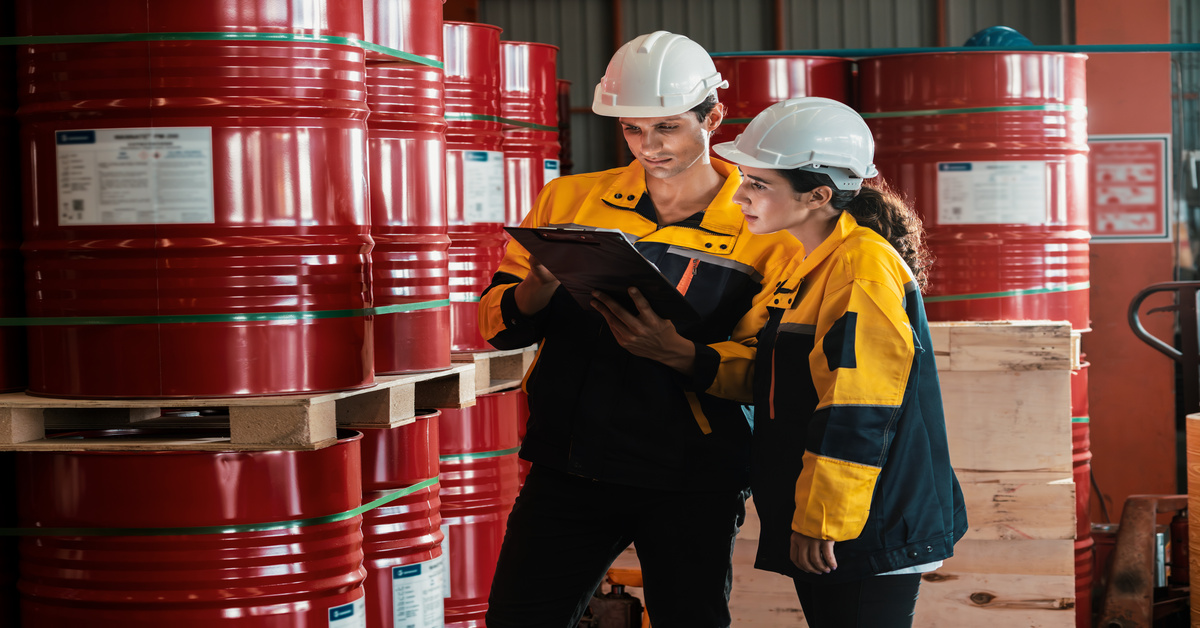
Once you identify your waste, you must manage it correctly on-site. The EPA mandates that you store hazardous waste in containers that remain in good condition. You must stop using any leaking or rusting drums immediately. Keep containers closed except when adding or removing waste. Open containers release harmful emissions and increase the risk of spills or fires.
Labeling demands precision. Every container holding hazardous waste must display a clear label indicating hazardous waste. You must also mark the accumulation start date on the container. This date effectively starts the clock on how long you can keep the waste on-site. Large Quantity Generators generally can store waste for only 90 days without a permit. Small Quantity Generators can typically store waste for 180 days.
Placarding and Site Management
Beyond individual containers, you must manage the storage area. You need adequate aisle space to allow for unobstructed movement of personnel and emergency equipment. You must inspect these areas weekly for leaks and signs of deterioration. When preparing waste for transport, you must placard the vehicle according to Department of Transportation regulations. This visual warning system alerts first responders to the presence of hazardous materials in the event of an accident on the road.
The Financial and Environmental Case for Solvent Recovery
Many industrial facilities treat solvents as a single-use consumable. They buy virgin solvent, use it for cleaning or thinning, and then pay a waste management company to haul the dirty solvent away. This linear model drains financial resources at both ends. You pay to bring the material in, and you pay to send it out.
Solvent recovery breaks this expensive cycle. By purifying and reusing spent solvents on-site, you drastically reduce your procurement costs. You effectively stop buying the same product over and over. Simultaneously, you slash your disposal fees because you generate significantly less waste. Instead of shipping out full drums of dirty solvent, you only dispose of the concentrated sludge left after the recovery process.
This approach aligns with environmentally responsible practices. Reducing the volume of hazardous waste your facility ships out lowers the carbon footprint associated with transportation. It also decreases the demand for new chemical manufacturing, conserving resources and energy.
Implementing Solvent Recovery Systems
Modern technology makes on-site recovery accessible and safe for facilities of all sizes. Equipment like a 55-gallon acetone recycling machine allows you to process high volumes of contaminated solvents without disrupting your daily workflow. These units use distillation to separate the pure solvent from contaminants. The machine heats the waste solvent to its boiling point, vaporizes it, and then condenses the clean vapor back into liquid form.
Operating these systems requires minimal labor. An automated feed feature pumps contaminated solvent directly into the unit, removing the need for manual pouring and reducing spill risks. Advanced models include a vacuum assist function. This feature lowers the boiling temperature of the solvent, which proves essential for solvents with high boiling points or for safety reasons. Lower temperatures mean less energy consumption and a safer operating environment.
Continuous Processing and Safety
Efficiency defines a high-quality recovery system. The ability to gravity feed clean solvent directly into a 55-gallon drum streamlines the return of reclaimed material to your production line. Fast processing times allow for continuous recycling, keeping pace with your production demands.
Safety features remain paramount when dealing with flammable solvents. Look for systems that offer redundant safety protocols. Automatic heater shutdown functions prevent excessive temperature and pressure buildup. A stainless steel cabinet and tank provide durability and containment. An automatic timer shutdown at the end of the cycle means your team can press “Start” and walk away to focus on other tasks. The design of machines like the SW 55 creates a closed-loop system, minimizing worker exposure to fumes and chemicals.
Moving Toward Sustainable Operations
Navigating EPA regulations for hazardous waste demands diligence, but it establishes the baseline for a successful industrial operation. Understanding the cradle-to-grave liability, correctly characterizing your waste, and adhering to strict storage protocols protect your business from regulatory backlash. However, moving beyond mere compliance to proactive management offers the greatest rewards.
Integrating solvent recovery technology transforms a regulatory burden into a strategic advantage. You reduce the volume of hazardous waste you introduce into the cradle-to-grave cycle, thereby reducing your long-term liability. You cut costs on procurement and disposal while demonstrating a commitment to environmental stewardship. Taking control of your waste stream allows you to build a leaner, safer, and more profitable business.