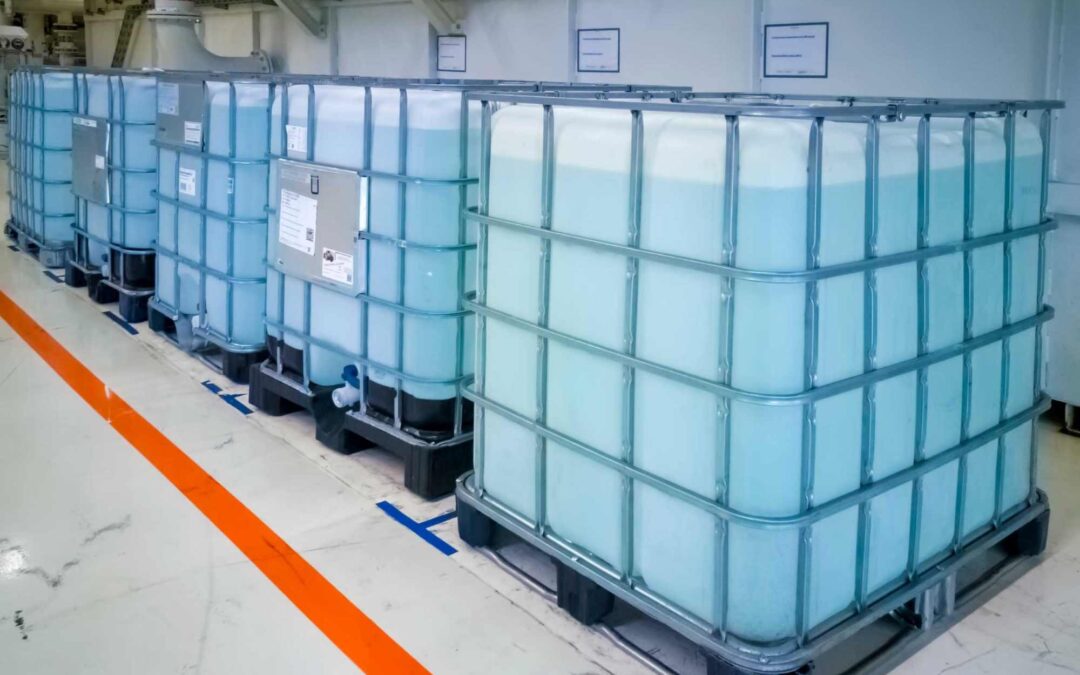
Hazardous solvent waste represents a significant operational, environmental, and regulatory concern across many industries. Manufacturing, automotive, aerospace, printing, electronics, pharmaceuticals, and chemical processing all rely heavily on solvents for cleaning, degreasing, extraction, and formulation. Once used, these solvents often become contaminated and fall under strict hazardous waste classifications.
Understanding the different types of hazardous solvent waste is essential for safe handling, regulatory compliance, and cost control. It also helps organizations identify opportunities to reduce waste volumes, recover usable materials, and improve sustainability through technologies such as solvent recovery equipment. This article provides a detailed overview of common hazardous solvent waste types, their risks, and how they are typically managed.
What Makes Solvent Waste Hazardous
Solvents become hazardous when they exhibit properties such as flammability, toxicity, corrosivity, or reactivity. Many solvents also pose health risks through inhalation or skin contact and can cause serious environmental damage if released improperly.
Regulatory agencies classify hazardous solvent waste based on chemical composition and behavior. In the United States, the Environmental Protection Agency categorizes certain spent solvents under the F-list, while others are regulated due to ignitability or toxicity characteristics. Proper identification of solvent waste types is the foundation of safe disposal and recovery strategies.
Spent Halogenated Solvents
Halogenated solvents contain elements such as chlorine, fluorine, or bromine. These solvents are widely used for degreasing, precision cleaning, and chemical processing because of their strong solvency and stability.
Common examples include methylene chloride, trichloroethylene, perchloroethylene, and chloroform. Once contaminated, these solvents are classified as hazardous due to toxicity and potential carcinogenic effects. They also pose environmental risks because they persist in soil and groundwater.
Spent halogenated solvents require specialized handling and disposal. Many facilities explore recycling options to reduce disposal costs and regulatory burdens, especially when solvent purity can be restored.
Spent Non-Halogenated Solvents
Non-halogenated solvents represent another major category of hazardous solvent waste. These solvents do not contain halogens but are often highly flammable and volatile.
Examples include acetone, toluene, xylene, methanol, ethanol, methyl ethyl ketone, and isopropyl alcohol. These solvents are commonly used in coatings, adhesives, printing, and equipment cleaning.
Spent non-halogenated solvents are regulated primarily due to ignitability. Improper storage or disposal can lead to fire hazards and air quality concerns. Because many of these solvents retain recoverable value after use, solvent recovery equipment plays a critical role in managing this waste stream efficiently.
Mixed Solvent Waste Streams
In many industrial operations, solvents become mixed during use, creating complex waste streams. These mixtures may contain both halogenated and non-halogenated solvents, oils, resins, pigments, or metal contaminants.
Mixed solvent waste presents unique challenges. Disposal costs increase due to the need for specialized treatment, and recycling options become more limited. Proper segregation at the point of use can significantly reduce waste complexity and improve recovery potential.
Facilities that generate mixed solvent waste often benefit from detailed waste audits to identify opportunities for process improvements and waste minimization.
Contaminated Cleaning Solvents
Cleaning solvents used for parts washing, tool cleaning, and surface preparation often become contaminated with grease, oils, particulates, and heavy metals. Over time, these contaminants degrade solvent performance and require replacement.
These wastes are hazardous due to both solvent properties and the contaminants they carry. Metal-laden solvents, in particular, may trigger additional regulatory requirements depending on concentration levels.
Recovering and reusing cleaning solvents reduces both hazardous waste volume and operating costs. On-site solvent recovery equipment allows facilities to reclaim usable solvent while separating contaminants for proper disposal.
Solvent-Contaminated Sludges and Residues
Not all hazardous solvent waste exists in liquid form. Sludges, still bottoms, and residues generated during solvent use or recovery processes also require careful management.
These materials often contain high concentrations of solvent, combined with oils, solids, and process byproducts. Their hazardous classification depends on both solvent content and toxicity characteristics.
Proper handling includes secure storage, accurate labeling, and disposal through licensed hazardous waste contractors. Minimizing sludge generation through efficient solvent management improves both safety and cost control.
Waste Solvents From Coating and Printing Operations
Coating, painting, and printing industries generate significant volumes of solvent waste from equipment cleaning, overspray, and formulation changes. These wastes often include volatile organic compounds that contribute to air emissions and environmental pollution.
Solvent waste from these operations may contain pigments, binders, and additives that complicate disposal. Regulatory agencies closely monitor these waste streams due to their environmental impact.
Many facilities in these sectors adopt solvent recycling programs to reduce emissions and hazardous waste generation while maintaining production efficiency.
Laboratory and Research Solvent Waste
Laboratories generate smaller quantities of solvent waste but often deal with a wide variety of chemicals. Solvent waste from research, testing, and quality control activities may include highly toxic or reactive compounds.
Segregation is critical in laboratory settings to prevent dangerous reactions and ensure proper disposal. Even small volumes of incompatible solvents can pose serious safety risks.
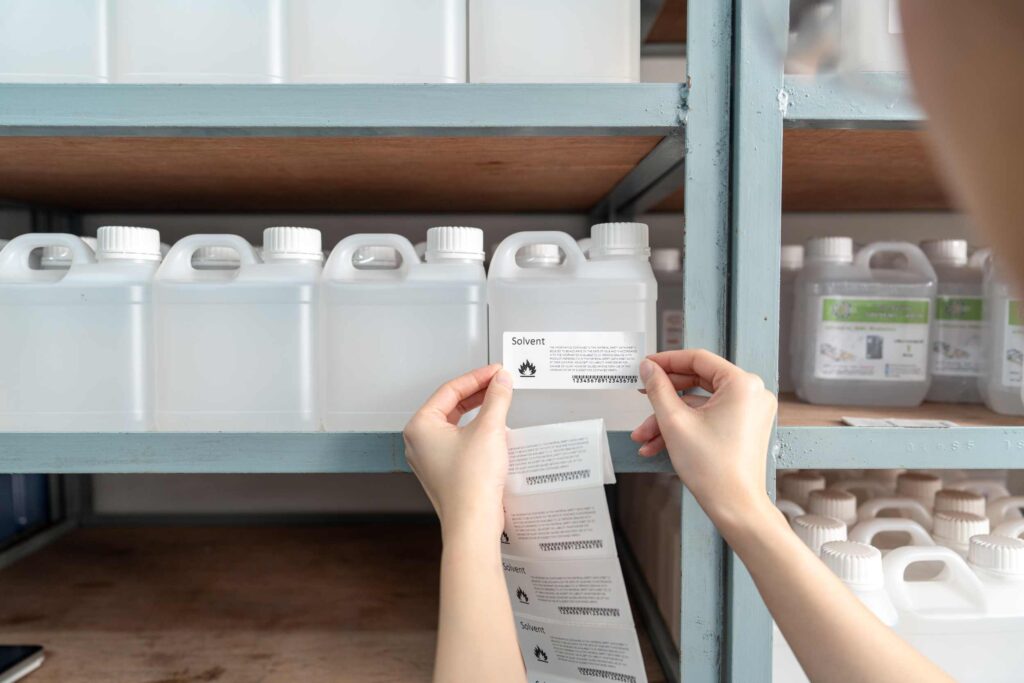
Laboratory solvent waste management emphasizes accurate labeling, secondary containment, and adherence to strict handling protocols.
Health and Environmental Risks of Improper Solvent Disposal
Improper disposal of hazardous solvent waste poses serious risks to workers, communities, and ecosystems. Solvent vapors can cause respiratory issues, neurological damage, and long-term health effects. Spills and leaks contaminate soil and groundwater, leading to costly remediation efforts.
From a regulatory standpoint, noncompliance can result in fines, shutdowns, and reputational damage. Proactive solvent waste management protects both human health and business continuity.
The Role of Solvent Recovery Equipment
Solvent recovery equipment plays a vital role in modern hazardous waste management strategies. By distilling and purifying used solvents, recovery systems allow facilities to reuse solvents rather than dispose of them as waste.
This approach reduces hazardous waste volumes, lowers disposal costs, and decreases raw solvent purchases. Recovery systems also support sustainability goals by minimizing environmental impact and resource consumption.
Many organizations integrate solvent recovery into their operations as part of a broader waste reduction and compliance strategy. For companies seeking proven recovery solutions, Solvent Waste Management serve as valuable reference points for equipment and industry expertise.
Regulatory Considerations and Documentation
Managing hazardous solvent waste requires thorough documentation, including waste characterization, storage records, and disposal manifests. Regulatory agencies expect accurate tracking of solvent waste from generation through final disposition.
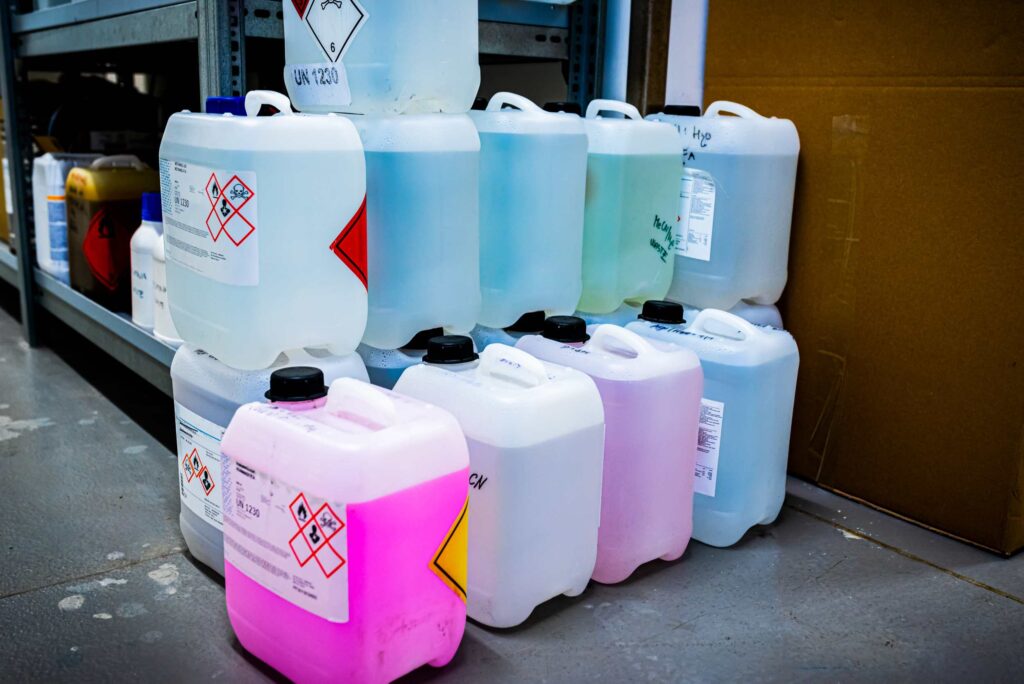
Facilities must also comply with storage requirements related to container compatibility, labeling, secondary containment, and inspection schedules. Failure to meet these standards increases liability and operational risk.
Implementing standardized procedures and training ensures compliance while improving overall waste handling efficiency.
Developing a Comprehensive Solvent Waste Strategy
Effective solvent waste management begins with understanding the types of solvents used and the wastes they generate. From there, organizations can implement strategies that prioritize reduction, segregation, recovery, and responsible disposal.
Regular audits, employee training, and investment in recovery technologies help facilities adapt to evolving regulations and production demands. A comprehensive approach not only reduces environmental impact but also strengthens operational resilience.
Final Thoughts
Different types of hazardous solvent waste present varying risks, regulatory requirements, and management challenges. From halogenated and non-halogenated solvents to contaminated cleaning agents and mixed waste streams, proper identification is essential for safe handling and compliance.
By understanding these categories and leveraging tools such as solvent recovery equipment, organizations can significantly reduce waste volumes, lower costs, and improve environmental performance. With informed planning and the right technologies, hazardous solvent waste management becomes a controlled, efficient, and responsible part of industrial operations rather than a persistent liability.long-term liability. You cut costs on procurement and disposal while demonstrating a commitment to environmental stewardship. Taking control of your waste stream allows you to build a leaner, safer, and more profitable business.