
As our world grapples with environmental challenges, the way we handle waste has become more critical than ever. Sustainable waste management offers a thoughtful approach to this global issue. It focuses on reducing, reusing, and recycling materials to minimize our impact on the planet. This method moves beyond simple disposal, creating a circular system that conserves resources and reduces pollution. Its importance is growing as businesses and communities recognize that smart waste strategies benefit the environment, the economy, and society.
Adopting sustainable practices is no longer a niche interest; it’s a mainstream movement. People are increasingly aware of the consequences of overflowing landfills and plastic-choked oceans. In response, innovative solutions and technologies are emerging to transform trash into treasure.
By rethinking our relationship with waste, we can build a healthier, more resilient future. This shift requires a collective effort, with individuals, companies, and governments all playing a vital role in creating a more sustainable world for generations to come. Continue reading to explore the benefits of sustainable waste management plans.
Environmental Benefits
Sustainable waste management delivers profound environmental benefits.
Less Landfill Waste
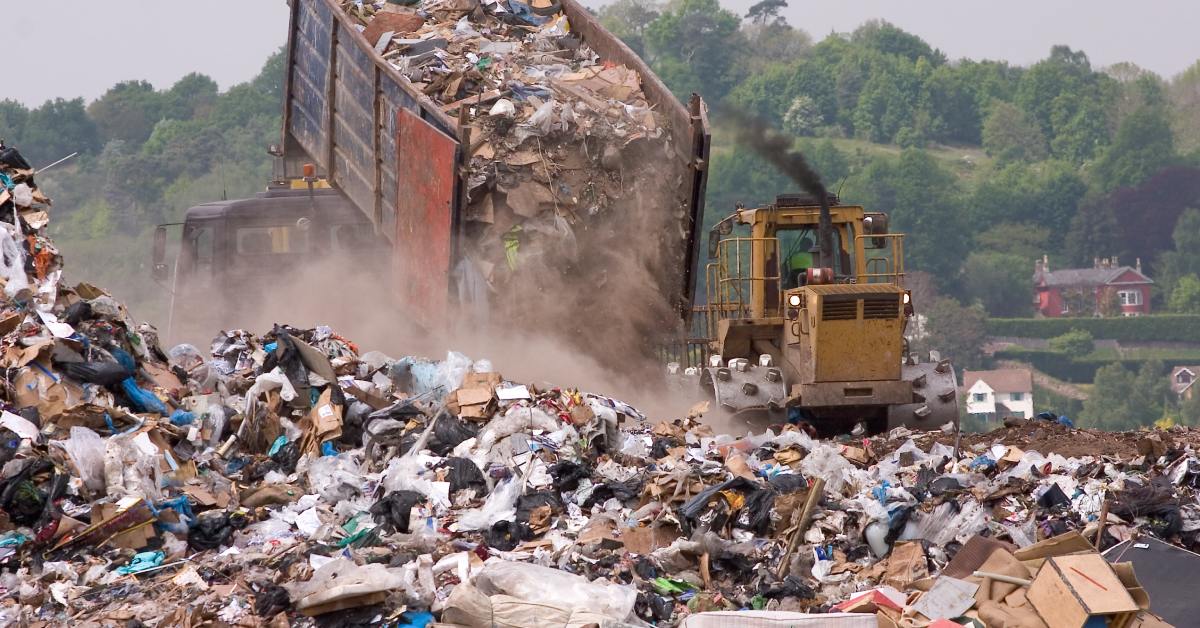
By prioritizing recycling and composting, we significantly reduce the amount of waste sent to landfills. This action directly cuts down on greenhouse gas emissions, as landfills are a major source of methane, a potent gas that contributes to climate change. When organic matter decomposes without oxygen, it releases methane, but composting allows it to break down aerobically, avoiding this harmful emission. Similarly, recycling materials like paper, plastic, and metal uses far less energy than producing them from raw materials, which further lowers our carbon footprint.
Conserves Natural Resources
Conserving natural resources is another key advantage. Recycling turns used products back into valuable materials, decreasing the need to extract new resources from the earth. For instance, making products from recycled aluminum requires 95 percent less energy than making them from bauxite ore. This process not only saves energy but also protects natural habitats from the destructive effects of mining, logging, and drilling. By preserving our forests, rivers, and mineral deposits, we help maintain the delicate balance of our planet’s ecosystems.
Protects Ecosystems
Protecting these ecosystems is fundamental to a healthy planet. Improper waste disposal can lead to soil and water contamination, harming wildlife and disrupting natural cycles. When toxic substances from electronic waste or industrial byproducts leach into the environment, the effects can be devastating. Sustainable practices prevent this contamination by managing hazardous materials responsibly and promoting the use of nontoxic alternatives. Cleaner land, air, and water support biodiversity and allow ecosystems to thrive, which is essential for our own well-being.
Economic Advantages
Sustainable waste management is good for the planet and good for the bottom line. Businesses that implement effective waste-reduction strategies often achieve significant cost savings. By minimizing the amount of waste they generate, companies can lower their disposal fees. Recycling programs can also create new revenue streams, as you can sell materials like cardboard, metals, and plastics to recycling facilities. These financial incentives make sustainability an attractive proposition for companies of all sizes, proving that environmental responsibility and profitability can go hand in hand.
The transition to a green economy also spurs job creation. The recycling and composting industries require a diverse workforce, from collectors and sorters to technicians and managers. As more communities and businesses invest in sustainable infrastructure, the demand for green jobs grows. These roles provide stable employment and contribute to local economies, creating a positive ripple effect. New enterprises focused on developing innovative waste solutions also emerge, fostering entrepreneurship and driving economic growth in the green sector.
Sustainable practices lead to increased efficiency in resource utilization. By adopting a circular economy model, businesses can design products for reuse, repair, or recycling. This approach reduces the reliance on virgin materials and minimizes waste throughout the product lifecycle. Companies that use resources more efficiently can lower their production costs and enhance their competitiveness. For example, using an acetone recycler to purify and reuse solvents in an industrial setting can dramatically cut down on material procurement expenses and reduce hazardous waste disposal costs.

Social Impact
The positive effects of sustainable waste management extend deep into our communities, starting with public health. When waste is managed improperly, it can become a breeding ground for diseases and pests, posing a serious risk to nearby residents. Open dumping and overflowing landfills can contaminate drinking water sources and release harmful pollutants into the air. By implementing organized and sanitary waste collection and treatment systems, we can create cleaner, healthier living environments for everyone. Improved sanitation reduces illness and enhances overall quality of life.
These initiatives also foster greater community engagement and awareness. When people participate in recycling programs, composting workshops, or neighborhood clean-up events, they develop a stronger connection to their environment and to one another. Education campaigns can empower individuals with the knowledge and tools to make more sustainable choices in their daily lives. This awareness often inspires a sense of shared responsibility, encouraging residents to work together toward common environmental goals. An engaged community is more likely to support and sustain long-term waste reduction efforts.
Promoting social equity and environmental justice is another crucial aspect. Historically, marginalized communities have disproportionately borne the burden of waste disposal sites and polluting industries. Sustainable waste management seeks to rectify this imbalance by distributing facilities more equitably and involving all community members in the decision-making process. It champions fair access to clean air, water, and land for everyone, regardless of their socioeconomic status. By creating a system that is just and inclusive, we can build stronger, more resilient communities where everyone has the opportunity to thrive.
Looking Forward
Sustainable waste management is a journey, not a destination, with amazing benefits. It requires a commitment to continuous improvement and a willingness to embrace new ideas. By integrating environmental, economic, and social considerations, we can create a holistic system that benefits everyone. The path forward involves collaboration, innovation, and a shared vision for a world with less waste and more value.
Every action, no matter how small, contributes to this larger goal. By making conscious consumer choices, advocating for better policies, and supporting businesses that prioritize sustainability, we can all help shape a cleaner, healthier future. The urgency is clear, and the time to act is now. Let’s work together to build a waste management system that sustains our planet for generations to come.