by Prateek | Oct 20, 2026 | Blog
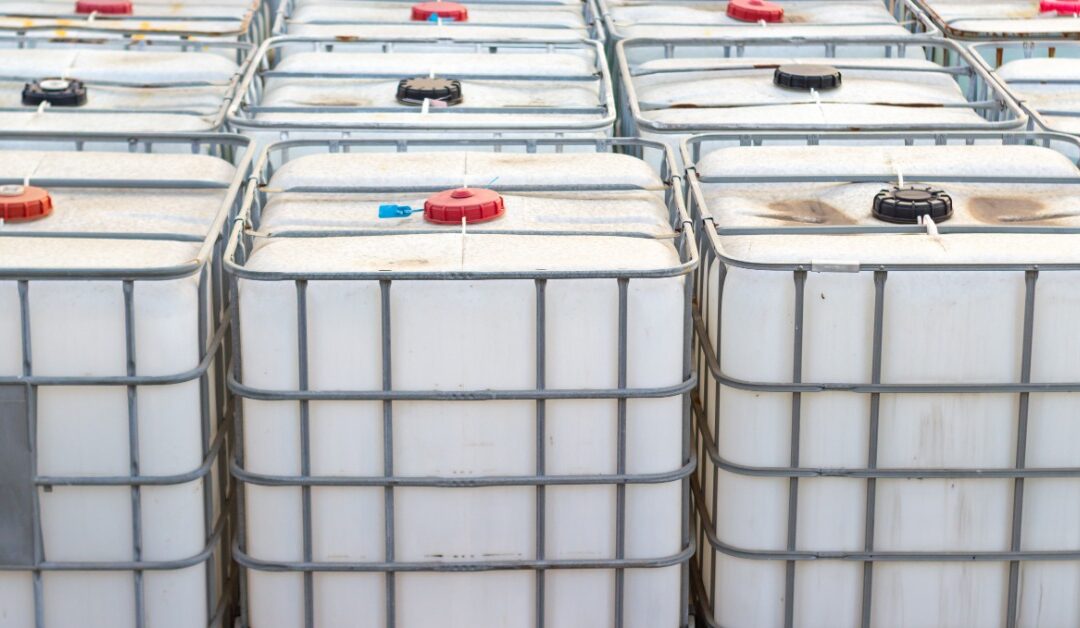
When a finishing line stays busy, cleanup rarely waits for a convenient break. Spray guns need rinsing between jobs, and operators may flush equipment before the next coating enters the line. Every cleaning task uses solvent, even when the production schedule leaves... 
by Prateek | Oct 10, 2026 | Blog
Industrial cleaning is essential in paint shops, cabinet operations, composite production, and other manufacturing environments that rely on solvents. Every rinse or cleanup cycle consumes fresh solvent and generates contaminated liquid that the facility must manage.... 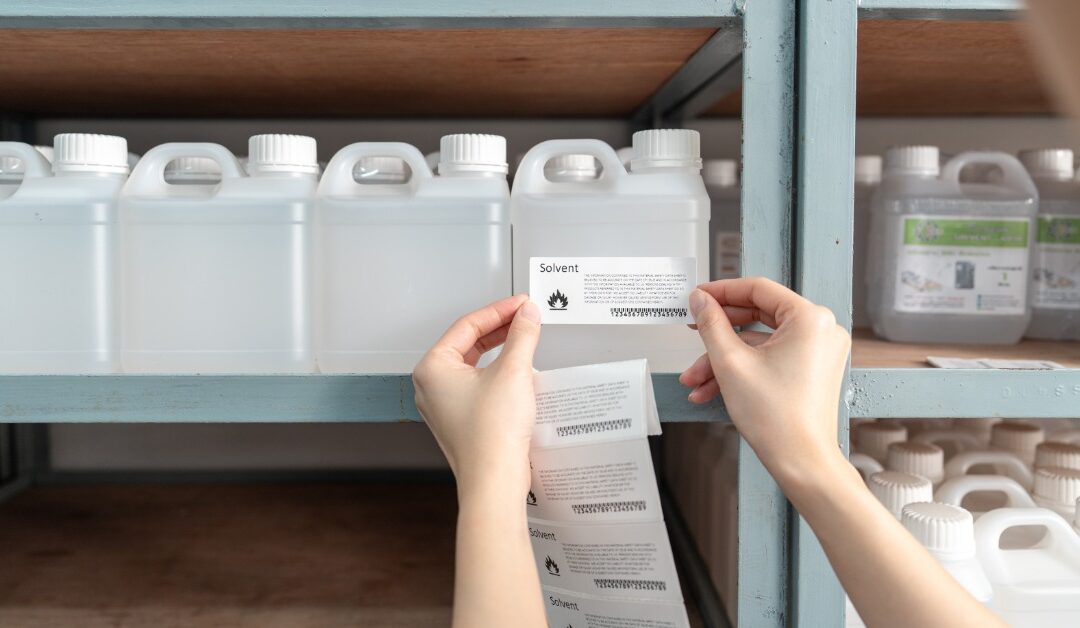
by Prateek | Sep 28, 2026 | Blog
Industrial operations that consume acetone every day face a constant balancing act. Production teams need enough clean solvent to keep equipment and processes moving, while facility managers must control purchasing costs and spent solvent volumes. As acetone use... 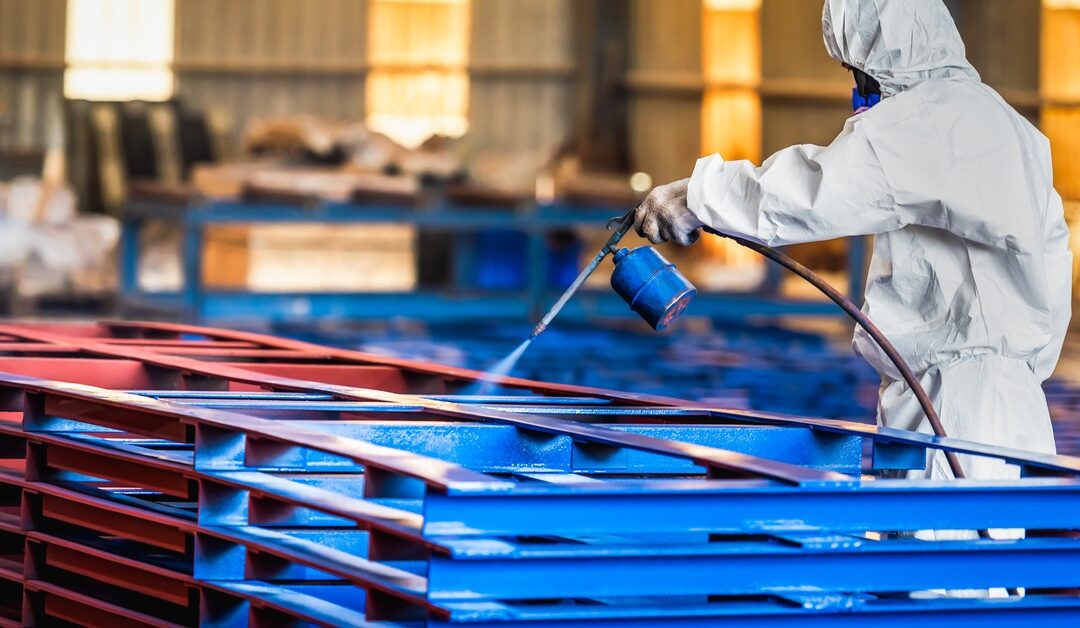
by Prateek | Sep 18, 2026 | Blog
Industrial paint systems depend on steady material flow and clean equipment. Solvents support many of those tasks, especially during flushing and equipment cleaning. When a facility uses more solvent than the process requires, costs rise quickly, and waste volumes... 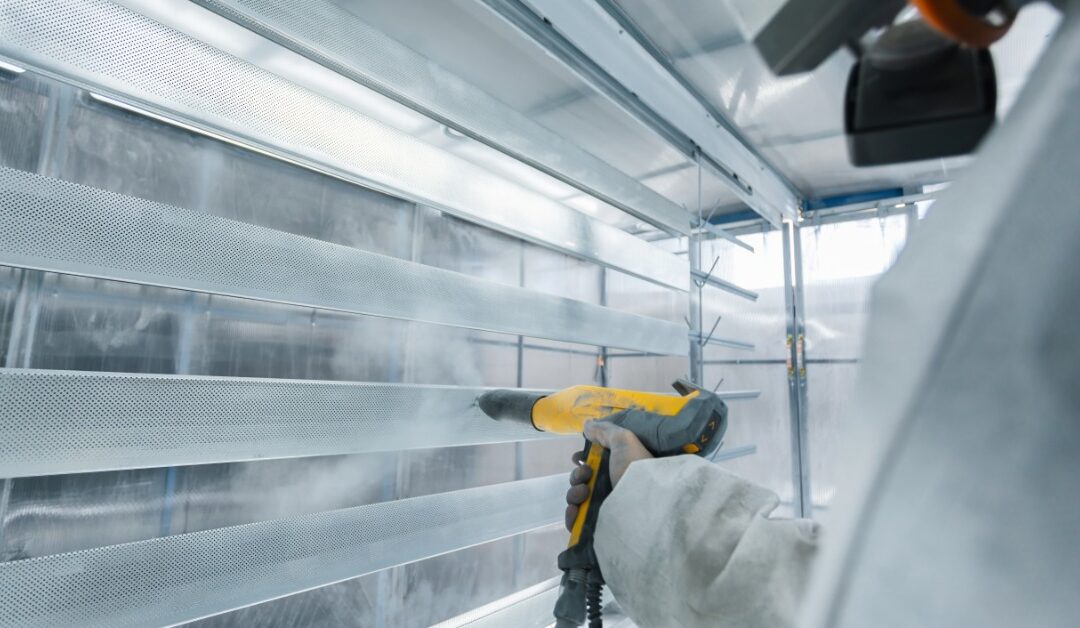
by Prateek | Sep 16, 2026 | Blog
Large industrial spray lines can consume significant amounts of acetone during equipment cleaning and production changeovers. When teams rely on fresh solvent for every cleaning cycle, costs can rise alongside the volume of contaminated acetone leaving the facility.... 
by Prateek | Sep 8, 2026 | Blog
Production lines handling paints, coatings, adhesives, resins, and similar materials require regular flushing to keep equipment clean and ready for the next run. These flush cycles keep production moving, but they can also generate a steady stream of contaminated...