

A 30-gallon solvent cleaner can lift productivity while it drags down energy bills if operators consider important controllable variables. Smart practices reduce kilowatt hours, cut waste hauling fees, and keep EPA concerns out of daily operations.
Shop managers in cabinetry, boatbuilding, composites, railcar refurbishing, and commercial paint lines value numbers, so practical tips matter more than slogans. Field techs report steady savings once teams standardize batch planning, maintenance intervals, and temperature targets. Following the right equipment tips alongside domestic support gives crews confidence to adopt energy-focused routines without downtime anxiety.
Optimize Heating Cycles for Consistent Performance
Operators save power when the heat-up time matches the batch size instead of defaulting to a single setting for every load. Contamination levels also drive timing, since dirty solvent reaches the effective recovery temperature more slowly than lightly loaded solvent. Insulation wraps around lids and kettles reduce heat loss between cycles and stabilize internal temperatures during long runs.
Quality checks on solvent viscosity guide temperature steps more accurately than guesswork based on smell or color. Thermometer probes near liquid levels verify actual conditions inside the tank rather than panel readings alone. An actionable energy-saving tip for operating a 30-gallon solvent cleaner is to calibrate heat-up based on viscosity trend and load volume to avoid overshoot and idle hot hours.
Operators should document a reference curve for common materials such as acetone, MEK, and lacquer thinner. Crews can then adjust targets quickly when jobs shift from cabinet finishing to fiberglass layups or railcar paint removal. Repeatable curves lower energy use while they keep recovery quality high for reuse in spray equipment.
Control Batch Sizes for Maximum Efficiency
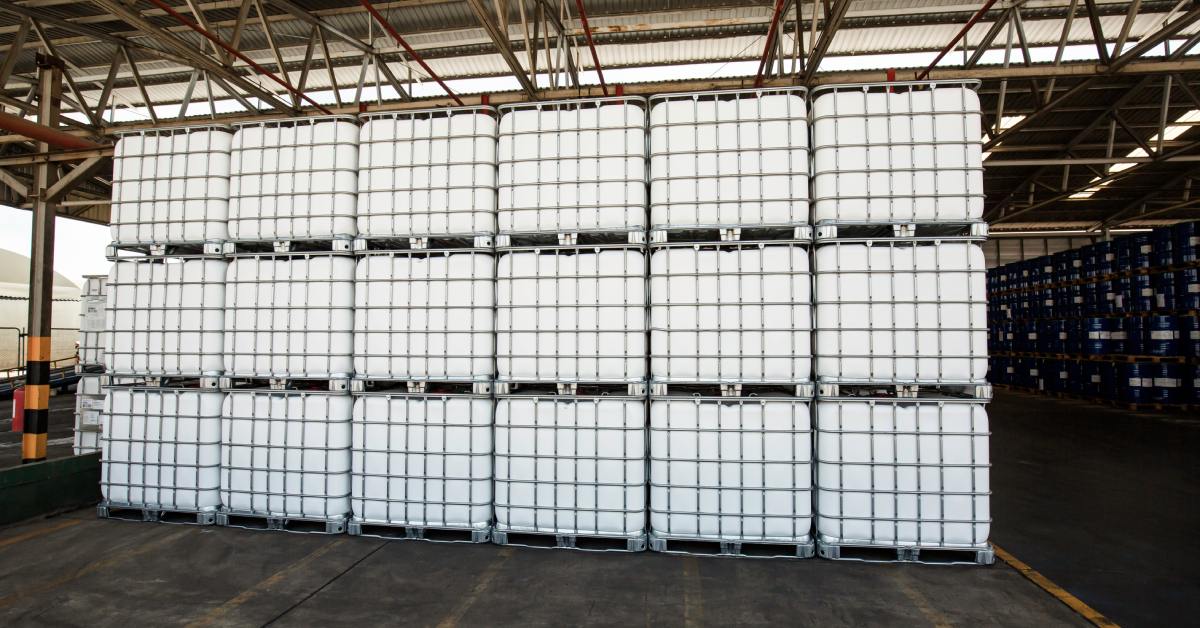
Near-full loads spread energy cost across more gallons, so crews should stage collections to hit optimal volume before starting a cycle. Partial loads multiply heat-up events, which drives a higher cost per recovered gallon and steals labor time from production. A weekly pickup calendar for dirty solvent from finishing stations keeps the tank consistently near capacity.
At Solvent Waste Management, we provide professional 30-gallon solvent cleaning machines for industries that need solvent recycling systems to improve operations and reduce waste, and we help teams plan batch schedules that align with shift changes and cure windows. Production managers appreciate predictable start times because crews avoid late-night babysitting of small runs. Consistency in batch size also stabilizes recovery purity for spray gun cleaning and wipe-down tasks.
Supervisors can post a simple threshold chart by station so operators know when to transfer drums to the central unit. Paint booths, adhesive lines, and gelcoat areas often fill at different rates, so a shared log helps everyone hit volume targets. Coordinated transfers cut idle time, reduce reheat penalties, and keep recovered solvent quality uniform.
Maintain Clean Condenser Coils and Filters
Dust and overspray on condenser fins act like a blanket that traps heat, so compressors run longer than necessary. Soft-brush cleaning and low-pressure air every Friday restores heat exchange and shortens cycle time. Maintenance leads should record the amperage draw before and after cleaning to quantify savings for audits.
Filters that load with solids choke flow and force higher motor effort, which increases kilowatt hours for the same yield. A swap schedule tied to batch count prevents forgotten filters from running for months. Meanwhile, differential pressure checks across filter housings give an early warning before energy waste grows.
Technicians should include coil and filter inspections on every monthly preventive maintenance walk. A flashlight, fin comb, and spare filter kit cover nearly every issue without waiting for parts. Clean hardware protects compressors, improves recovery rates, and keeps energy curves flat across seasons.
Calibrate Sensors and Controls Regularly
Accurate temperature sensors prevent uncontrolled overshoots that waste energy and scorch solvents. A quarterly comparison against a certified handheld thermometer keeps readings honest and builds trust with EHS teams. Control panels deserve a quick check for timer drift, which can add hours of idle heat over a month.
Idle draw also sneaks up when timers fail to step down after completion. Electricians should verify cooldown logic, fan delays, and heater cutoffs after any software update. Properly set controls deliver clean solvents without long post-cycle heat soaks.
Documented calibration supports internal audits and insurer inspections. Recording dates, signatures, and instruments used removes guesswork during compliance reviews. Reliable data also helps production managers tune cycles when weather, viscosity, or batch composition changes.
Insulate Solvent Lines and Chambers
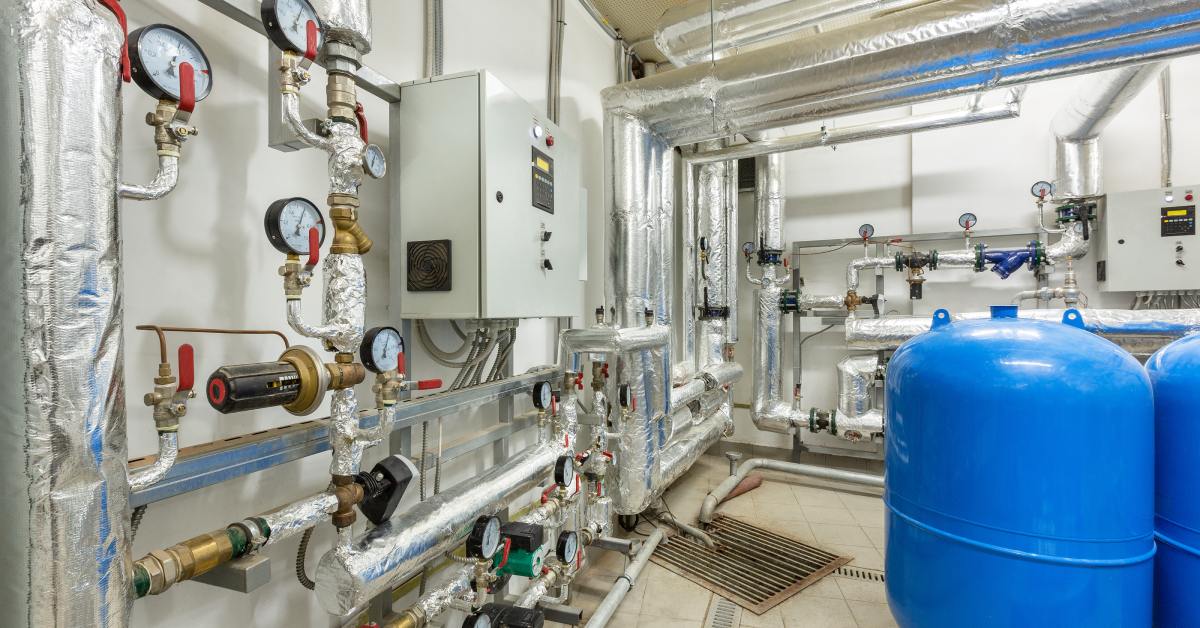
Uninsulated lines behave like radiators that bleed heat into the room, so heaters work longer to maintain the target temperature. High-temp wraps on transfer lines, dome lids, and vapor paths hold energy where it does work. Shops see a faster approach to setpoint and steadier recovery rate after a weekend insulation upgrade.
Material choice matters. Silicone-coated fiberglass sleeves handle frequent wipe-downs in paint environments, while closed-cell elastomer suits drier cabinet shops. Gasket materials around doors and observation ports deserve equal attention because gaps waste energy. Crews should check the compression on latches to avoid warm-air leaks.
Insulation also protects solvent integrity during long cycles. Stable temperatures prevent partial distillation bands that leave off-spec solvent for spray guns. Better stability translates into fewer rework hours on coatings and fewer complaints from quality control.
Train Operators on Energy-Saving Practices
Trained operators shut units down promptly after coolant reach and recovery complete, which saves hours of idle heat each week. Clear roles reduce finger-pointing; the last person to drain a booth records batch volume and schedules the next start. Teams perform better when responsibilities appear on a single laminated sheet near the panel.
Cycle selection must also match solvent type, contamination level, and desired purity. A quick reference card that lists acetone, MEK, xylene, and blended thinners keeps choices consistent across shifts. Managers can reinforce correct selections during toolbox talks with short, data-driven reminders.
A culture of accountability grows when leaders highlight energy results on a whiteboard. Crews may respond well to you listing visible wins, such as “three drums recovered per month during the last twelve months.” Recognition of efforts and the results fuels participation and compounds savings without expensive upgrades.
Track Energy Use With Data Monitoring Tools
Meter readings at the breaker or smart-plug data from the heater circuit reveal real consumption patterns instead of guesses. Trend charts expose late-night idle time, clogged filters, or oversized batches that drag cycles longer than necessary. A great energy-saving tip for operating a 30-gallon solvent cleaner is to review weekly kWh per recovered gallon and set a target for steady improvement.
Supervisors can compare shifts on a simple dashboard to identify training needs or maintenance gaps. A short debrief every Monday turns data into action items for coil cleaning, filter swaps, or schedule tweaks. Plants with multiple units gain even more insights by ranking kWh per gallon across locations.
Procurement teams also benefit from usage history when negotiating electricity rates or planning insulation purchases. Documented savings justify small capital outlays in wraps, gaskets, and meters. Data makes conversations with finance straightforward because numbers speak louder than opinions.
Energy-aware solvent recovery turns a 30-gallon cleaner into a profit tool rather than a power hog. Operators who tune heat-up time, size batches wisely, maintain hardware, and verify controls achieve faster cycles and lower bills without sacrificing purity. Solvent Waste Management stands ready to help with professional 30-gallon solvent cleaning machines made in the USA, backed by domestic support that keeps production steady and waste volumes low.