Properly managing hazardous solvent waste protects your workers, your community, and your bottom line. When businesses fail to handle these materials correctly, they face serious consequences: environmental contamination, hefty fines, health risks, and cleanup costs that can reach millions of dollars. Smart companies recognize that safe solvent waste management isn’t just a regulatory requirement—it’s a strategic business decision that creates long-term value.
The manufacturing industry generates substantial hazardous waste annually, with solvents accounting for a significant portion of this total. Whether your facility uses acetone for cleaning, turpentine for manufacturing, or specialized solvents for chemical processes, you need a comprehensive waste management approach that protects both people and profits. Continue reading to learn how to handle hazardous solvent waste safely.
Understanding Hazardous Solvent Waste
Hazardous solvent waste encompasses any used or contaminated liquid chemical that exhibits dangerous characteristics such as flammability, corrosivity, reactivity, or toxicity. These materials originate from numerous industrial processes, including parts cleaning, degreasing, paint removal, equipment maintenance, and chemical manufacturing.
Common hazardous solvents include acetone, methanol, toluene, xylene, mineral spirits, paint thinners, and chlorinated compounds. Each type presents unique hazards and requires specific handling protocols. Acetone, for instance, creates explosive vapor concentrations at relatively low temperatures, while chlorinated solvents can damage the nervous system with repeated exposure.
The contamination typically consists of oils, grease, dirt, metal particles, paint residues, or other manufacturing byproducts that accumulate during use. This contamination doesn’t eliminate the solvent’s hazardous properties—instead, it often creates additional disposal challenges and increases handling risks.
Risks Associated With Improper Handling
Environmental contamination represents one of the most serious consequences of improper solvent waste management. When hazardous solvents leak into soil or groundwater, they create plumes of contamination that can persist for decades. Chlorinated solvents, for example, move through groundwater systems and resist natural breakdown processes, affecting drinking water supplies miles from the original source.
Surface water contamination occurs when facilities discharge untreated solvent waste or experience spills that reach storm drains. Even small quantities can harm aquatic ecosystems, as many solvents prove toxic to fish and other wildlife at very low concentrations.
Worker health risks escalate dramatically without proper handling procedures. Acute exposure symptoms include headaches, dizziness, respiratory irritation, and skin burns. Chronic exposure leads to more serious conditions such as liver damage, kidney dysfunction, neurological disorders, and increased cancer risk. Maintenance workers, operators, and cleanup crews face the highest exposure levels.
Community health concerns arise when facilities store large quantities of solvent waste improperly or experience major spills. Vapor releases can affect neighboring properties, and contaminated groundwater threatens public water supplies. These incidents often result in expensive legal battles and long-term cleanup obligations.
Safe Handling Procedures
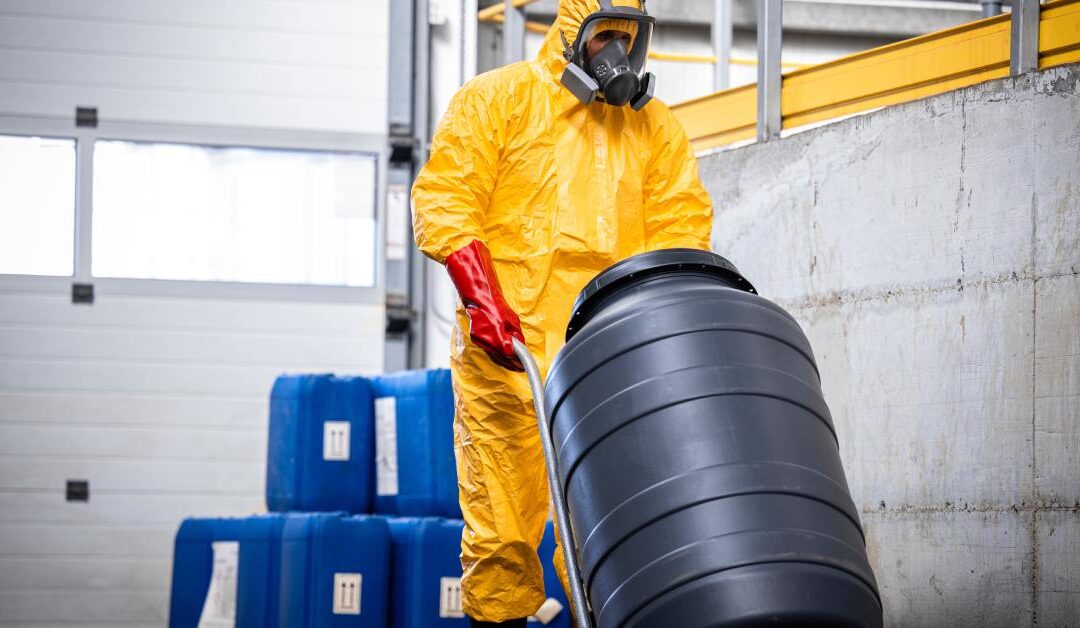
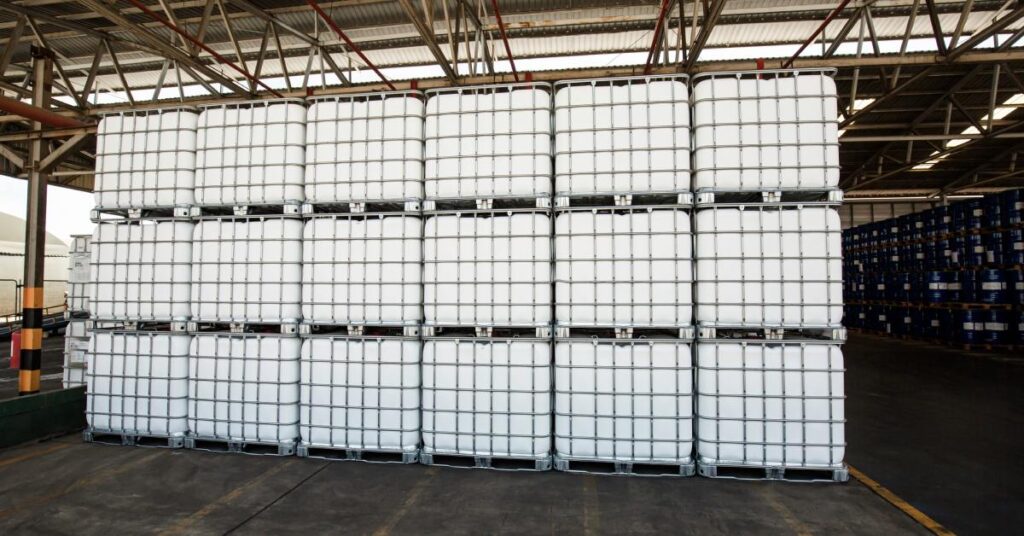
Establishing proper collection and storage protocols forms the foundation of safe solvent waste management. Designate separate collection containers for different solvents, as mixing incompatible solvents can cause dangerous reactions. Use containers made from compatible materials—steel drums work well for most solvents, while polyethylene containers are suitable for certain specialized applications.
Store containers in designated areas away from heat sources, electrical equipment, and incompatible materials. Secondary containment systems should hold at least 110 percent of the largest container’s volume to prevent environmental releases during leaks or spills. Maintain adequate ventilation to avoid vapor accumulation, and install appropriate fire suppression systems.
Proper labeling and documentation requirements go beyond basic compliance—they protect workers and emergency responders. Each container needs clear identification of its contents, the start date of accumulation, and hazard warnings. Maintain detailed records showing waste generation sources, quantities, and disposal methods. These records prove invaluable during regulatory inspections and help identify opportunities for waste reduction.
Train all personnel who handle solvent waste in proper procedures, emergency response protocols, and the use of personal protective equipment. Regular refresher training reinforces safe practices and incorporates lessons learned from incidents or near-misses.
Disposal Methods and Recovery Options
Traditional disposal methods include incineration at high-temperature facilities, treatment at permitted hazardous waste facilities, and disposal in secure landfills designed for hazardous materials. Each technique carries significant costs and transportation risks while permanently eliminating potentially valuable resources.
Solvent recovery offers a more attractive alternative, turning waste disposal costs into operational savings. The recovery process uses distillation technology to separate contaminants from used solvents, producing clean material suitable for reuse in original applications. This approach addresses both environmental concerns and economic pressures facing modern manufacturers.
Modern solvent recovery equipment operates through controlled heating and condensation cycles. The system heats contaminated solvent in a closed vessel, creating vapor that rises through a column where contaminants separate based on different boiling points. Clean solvent vapor condenses back to liquid form, while heavier contaminants remain as residue for simplified disposal.
The recovered solvent typically achieves higher purity levels, making it suitable for most industrial applications. Companies report that recovered solvents perform identically to virgin materials in cleaning, degreasing, and manufacturing processes.

Regulatory Compliance Framework
Environmental Protection Agency regulations under the Resource Conservation and Recovery Act establish comprehensive requirements for hazardous waste management. Facilities must obtain proper permits, follow strict storage and handling protocols, and maintain detailed documentation of waste generation and disposal activities. Violations result in substantial fines and potential criminal prosecution.
Occupational Safety and Health Administration standards address worker protection requirements, including personal protective equipment, training programs, emergency response procedures, and exposure monitoring. These regulations apply to all workers who might encounter solvent waste during normal operations or emergencies.
State and local regulations often impose additional requirements beyond federal standards. Some jurisdictions restrict certain disposal methods, require advanced treatment technologies, or impose stricter reporting requirements. Facilities must understand and comply with all applicable regulations at all levels of government.
Implementing Best Practices
Minimizing solvent waste generation provides the most cost-effective approach to waste management. Evaluate each process using solvents to identify opportunities for reduction or substitution. Simple changes like optimizing cleaning procedures, extending solvent life through filtration, or switching to less hazardous alternatives can significantly reduce waste volumes.
Develop comprehensive solvent management plans that address procurement, storage, use, and disposal activities. These plans should include specific procedures for different solvent types, emergency response protocols, and regular evaluation metrics to track performance improvements.
Employee training programs must address both routine operations and emergency procedures. Workers need to understand proper handling techniques, recognize signs of equipment problems, and respond appropriately to spills or releases. Regular drills and refresher training maintain readiness and reinforce safe practices.
Regular audits of solvent management practices identify improvement opportunities and verify compliance with established procedures. These audits should examine storage areas, handling methods, documentation practices, and equipment maintenance activities.
Transforming Waste Into Opportunity
Safe hazardous solvent waste management represents both a regulatory requirement and a business opportunity. Companies that implement comprehensive programs protecting worker health and environmental quality while controlling costs gain significant competitive advantages. Solvent recovery technology enables facilities to transform disposal expenses into operational savings while meeting their environmental responsibilities.
The path forward requires commitment to proper procedures, investment in appropriate technology, and ongoing attention to regulatory compliance. However, the financial and environmental benefits justify these efforts. Start by evaluating your current solvent waste streams, calculating disposal costs, and exploring recovery options that fit your facility’s specific needs.