Large-scale solvent painting operations face pressure to meet tight production timelines without increasing costs or triggering regulatory violations. Decision-makers in paint industries often search for proven, quantifiable improvements that directly impact throughput and compliance.
Instead of adding complexity, improving efficiency means refining key variables already built into daily operations. By adjusting application methods, reducing solvent loss, and recovering reusable materials, paint-intensive facilities can streamline output while staying compliant with strict environmental standards.
Refine Spray Technique and Delivery Settings
Operators who spray too close or use improper fan settings often increase solvent waste and reduce the finish quality. Overspray from inconsistent gun angles or mismatched tip sizes leads to rework, slower cycle times, and higher VOC release. In paint-intensive industries, every minute spent correcting flawed coverage reflects a hidden cost tied directly to solvent usage.
Spray gun adjustments must match both the viscosity of the solvent blend and the material being coated, whether metal, plastic, or composite. Operators working on marine hulls, cabinetry, or railcar panels need consistent droplet size and coverage density to avoid waste and ensure durability. Process audits often reveal opportunities to standardize delivery settings based on substrate type and part geometry.
One way to improve efficiency in solvent painting operations is by calibrating spray equipment for transfer efficiency instead of relying on default settings. Trained personnel using precisely matched air pressure and fan width settings can reduce cleanup time, conserve solvent, and produce better adhesion. As a result, facilities gain more throughput without sacrificing performance or safety.
Improve Flash-Off and Cure Cycle Control
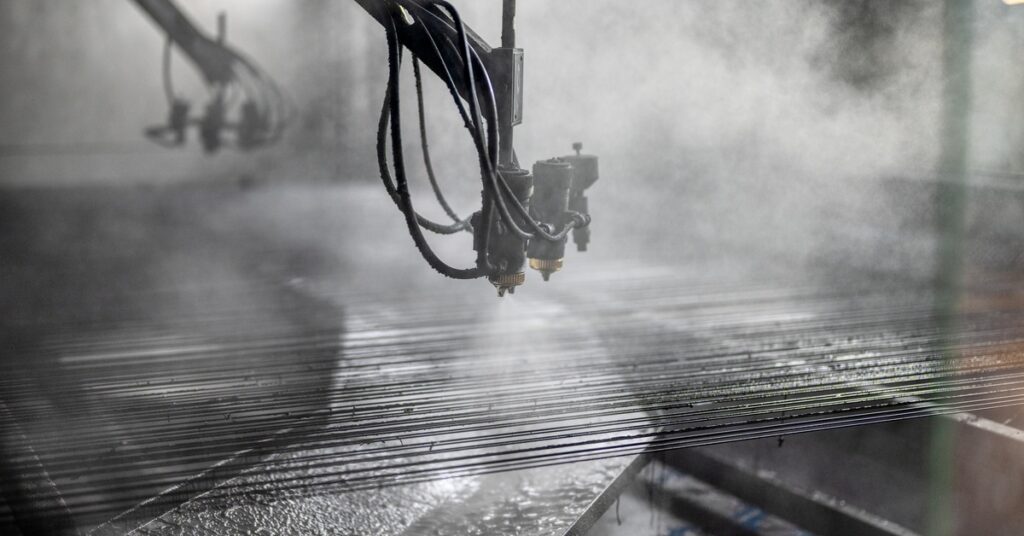
Production lines often stall when cure cycles lag behind spray booth schedules or when solvent-based coatings fail to flash off at consistent rates. Improper flash-off control leaves wet film vulnerable to runs, blisters, or solvent popping, especially in humidity-prone environments. Paint booths processing large batches of parts may experience unexpected slowdowns tied directly to temperature fluctuations or ventilation imbalances.
Manufacturers must regulate temperature and airflow to stabilize solvent evaporation during flash-off intervals. Paint applied on non-metallic composites, fiberglass hulls, and synthetic countertops reacts differently than on steel panels, requiring precision adjustments to booth conditions. A controlled flash-off period prepares each part for an efficient curing cycle with fewer reworks and fewer rejected units.
Cure ovens must also maintain correct dwell time and consistent airflow to prevent surface defects while preserving throughput expectations. Extended oven runs or inconsistent curing profiles cost energy and delay downstream processing. Fine-tuning cure cycle variables not only increases productivity but also improves coating longevity and bond integrity.
Reduce Color Change and Cleanout Time
Frequent color changes create significant downtime and increase solvent consumption during gun and line cleanouts. Paint booths serving railcar refurbishing operations or decorative cabinetry businesses must often switch shades rapidly to meet customer demand, but excessive transitions add labor hours and flush solvent waste. Facilities aiming to reduce their cost per job must reconsider how color batching and layout impact daily efficiency.
Technicians can sequence color applications to minimize incompatible transitions and reduce unnecessary equipment rinses. Scheduling multiple jobs in similar color families limits purge cycles and reduces solvent use without affecting lead times. Fast-disconnect fittings or dual-gun systems also reduce switch-out time while keeping equipment within spec.
One way to improve efficiency in solvent painting operations is by redesigning production flow to group similar coatings, limiting purge events, and streamlining prep for successive jobs. High-volume operations see measurable savings by reducing the number of flush cycles per shift. In complex production schedules, cleaner transitions free up booth time and lower per-unit solvent costs.
Minimize Solvent Loss Through Evaporation
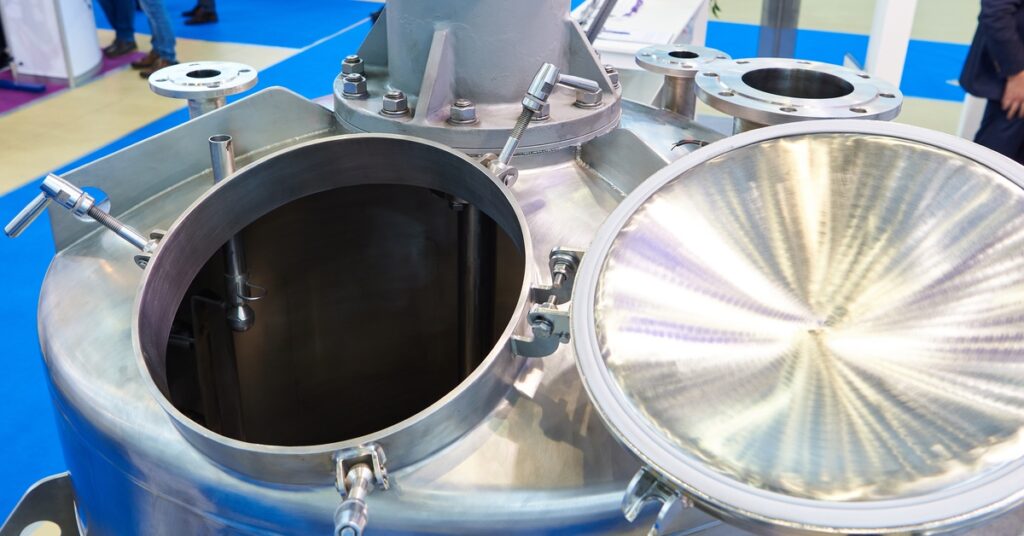
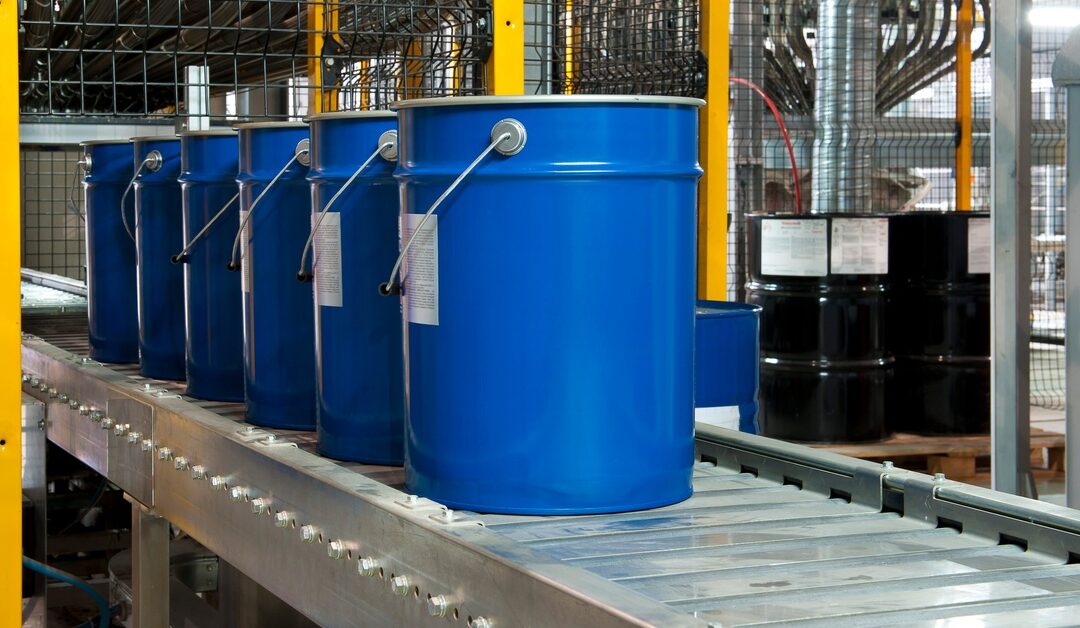
Solvent loss often begins before a single drop hits the surface, especially when materials sit in open containers or exposed tanks. Unsealed mixing stations or delays between batching and application increase ambient evaporation and trigger higher VOC levels. Paint shops that frequently leave pails uncovered or store drums improperly risk losing products and facing EPA reporting challenges.
Closed-loop mixing rooms and automated dispenser systems reduce evaporation by limiting air contact and accelerating transfer to application equipment. Facilities switching to sealed delivery systems avoid the slow bleed of lost solvent and maintain better control over usage metrics. Capturing every usable ounce matters when multiple drums move through production each month.
Evaporation also affects room safety, introducing flammable fumes that demand increased ventilation or air scrubber runtime. Reducing exposure points lowers fire risks and cuts ventilation energy demand without lowering output. High-volume users who install sealed containment and pressurized transfer gain compliance confidence and long-term savings.
Integrate Solvent Recovery and Recycling Systems
Every paint shop generates spent solvent during flushing, part cleaning, and surface prep. Those who discard this material treat it as hazardous waste, triggering EPA involvement and recurring disposal fees. Solvent recovery systems turn this waste stream into a usable resource and eliminate many long-term compliance burdens.
Recycling solvent through in-house distillation units separates contaminants and restores performance-grade material that reenters spray lines. Manufacturers processing three drums per month typically recoup the cost of a machine within the first year. Recovered solvent offers a predictable, clean supply that supports consistent application quality and operational savings.
At Solvent Waste Management, Inc., we provide high-quality equipment like paint solvent recycling machine systems for efficient waste management systems. Distillation-based systems require minimal maintenance, include no moving parts, and meet Made in the USA standards. Our machines reduce disposal events, cut purchase volume, and maintain EPA compliance without disrupting workflows.
Upgrade Booth Airflow and Ventilation Balance
Spray booth airflow directly influences paint quality, solvent flash-off timing, and operator safety. When fans create negative pressure or uneven flow, solvent vapor lingers longer than intended, increasing both exposure and drying time. Facilities with outdated duct systems or clogged intake filters often experience declining productivity tied to airflow inefficiencies.
Balanced air movement across intake and exhaust points keeps vapor in motion while supporting consistent surface coverage. Technicians can tune fan speeds or redesign duct layouts to improve uniformity without overhauling the entire booth. Airflow sensors with digital feedback loops help monitor and adjust performance in real time.
Optimized ventilation also supports lower VOC exposure levels and reduces the need for costly environmental mitigation systems. Efficient airflow reduces solvent rebound and protects coating quality from micro-contaminants. When airflow supports rather than disrupts paint cycles, productivity and safety rise together.
Train Operators To Identify Efficiency Bottlenecks
Even the most advanced paint system falls short without skilled operators who understand how each task impacts efficiency. Spotting worn seals, misaligned guns, and solvent leaks before they grow prevent costly shutdowns and rework cycles. Facilities that engage operators in identifying inefficiencies gain real-time insights that no digital dashboard can replicate.
Additionally, daily checklists and open feedback channels encourage staff to flag slowdowns, solvent overuse, and repair needs as part of routine operations. Reviewing usage reports, flush times, and spray durations with frontline staff help uncover patterns that often escape weekly production summaries. When people closest to the equipment feel empowered, problem-solving becomes proactive instead of reactive.
Training programs focused on metric-based awareness, such as solvent use per shift or parts sprayed per gallon, create performance benchmarks rooted in real results. Data-driven training also builds accountability and offers clear targets for improvement over time. Operational efficiency begins where process knowledge meets hands-on experience.
Proven solutions supported by domestic reliability give manufacturers real leverage in competitive industries. Contact Solvent Waste Management, Inc. to start reclaiming value from every part of your paint operation.