Manufacturing operations across the cabinetry, paint, and composite industries depend on effective solvent recovery to lower costs and reduce hazardous waste output. The performance of a solvent recovery system shapes not only operational efficiency but also long-term environmental compliance.
Poor design decisions, inconsistent operator methods, and mismatched solvents create costly bottlenecks. Addressing key factors that impact performance and recovery reduces waste and ensures proper compliance.
Solvent Type and Contaminant Load
Operators handling high-volume acetone recoveries often notice performance fluctuations when switching to heavier solvents like xylene or toluene. Each chemical composition reacts differently to temperature and pressure, which requires adjustments in batch settings and recovery timing. Paint shops that work with resins and pigment-heavy formulations must account for solid content before calculating realistic solvent yield percentages.
Additionally, excessive contamination from adhesives, fillers, or overspray introduces more variables that affect both residue quality and solvent purity. Facilities that fail to separate solids before recovery introduce unpredictable waste layers that interrupt heating efficiency. One of the key factors influencing the performance of solvent recovery is the presence and concentration of suspended solids in the solvent mixture.
If you run identical equipment across multiple departments, then you may notice that materials used upstream determine results more than the machine itself. The nature of the spent solvent, whether from cabinetry sealants or railcar paint removal, shapes the final efficiency percentage. Matching solvent type to equipment capabilities protects system output and minimizes bottom waste accumulation.
Batch Volume and Frequency of Use

High-throughput paint facilities in automotive or industrial fabrication sectors often push recovery systems far beyond their original weekly capacity. Daily recovery volume must align with the drum input rate. If it doesn’t, heating cycles stall and solvent turnaround slows production. Units built for one-drum-per-day output also cannot handle three or four drums without production delays or increased residue buildup.
Operators working within narrow shift schedules often favor larger batch runs to reduce labor redundancy and cooling downtime. Without matching machine size to output demand, teams either overrun safe limits or leave machines underutilized. Anotherone of the key factors influencing the performance of solvent recovery is a consistent batch rhythm that aligns with solvent input and scheduled output timing.
Inconsistencies in use, such as long idle gaps or compressed weekend cycles, disrupt thermal stabilization and increase pressure variability. Paint booths producing continuous waste benefit from a machine that remains engaged at controlled intervals. Batch predictability keeps components cleaner and reduces pressure spikes that lead to unplanned maintenance.
Operator Technique and Monitoring
Recovery success often traces back to how well a technician preps the machine and monitors cycle changes in real time. Skipping gasket checks, overfilling tanks, or misreading boil times reduce overall solvent clarity while straining electrical elements. Improper still bottom removal between runs leads to layered buildup that distorts temperature calibration and increases the risk of odor or fume exposure.
Clear training protocols around solvent measurement, waste segregation, and cycle monitoring produce significantly better performance. Operators responsible for railcar painting or composite fabrication frequently report smoother recoveries when visual inspection precedes every load. Technicians who understand their equipment behavior, such as early boil patterns or pressure rate spikes, can prevent issues before they require intervention.
At Solvent Waste Management, Inc., we provide high-quality solvent recycling machines designed for reliability across large-scale industrial applications. From adhesives to finishing solvents, our equipment supports consistent performance without unnecessary complexity or fragile components. Maintenance teams appreciate the predictable cycle behavior, while safety managers rely on reduced waste generation without chemical exposure hazards.
Equipment Design and Thermal Efficiency
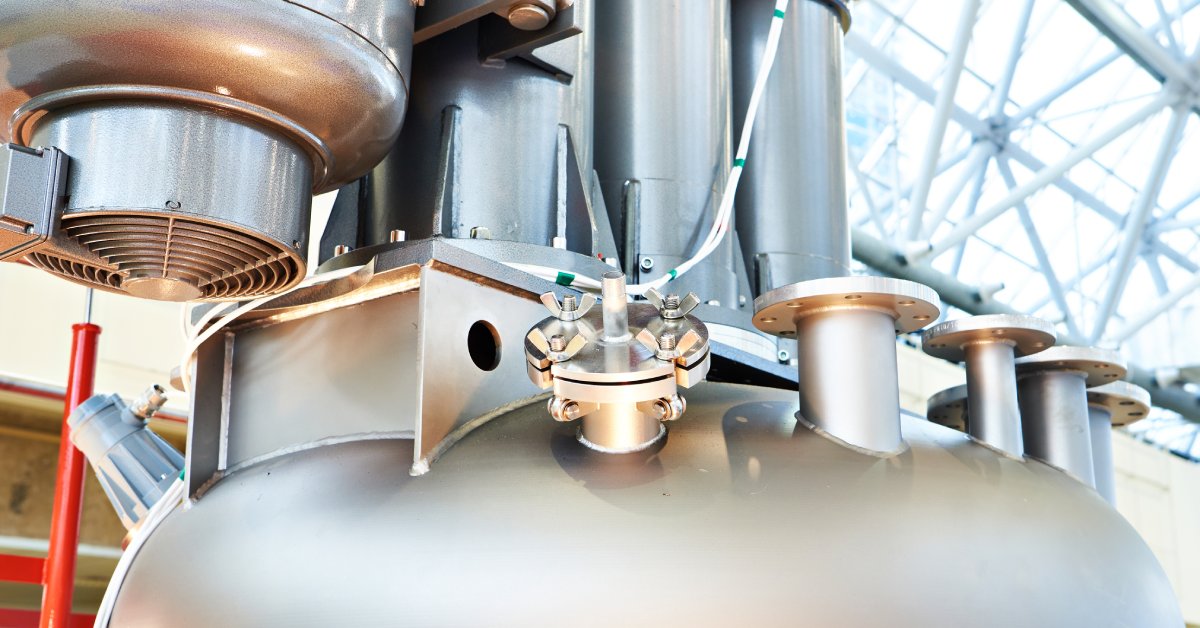
Manufacturing plants operating with high-duty recovery expectations must start with equipment that matches thermal demands and physical layout conditions. Cast aluminum or high-grade stainless steel heats more evenly than thin-shelled alternatives, and those with double-walled chambers retain energy longer. Industrial solvent types, such as lacquer thinner or reducer, require stable temperatures across each stage to prevent uneven recovery results.
Facilities that install units with oversized condensers and multi-speed venting options typically report higher purity levels and shorter cooldown intervals. Machines without moving parts reduce vibrations, extend gasket life, and prevent thermal fatigue. Paint manufacturers working with temperature-sensitive solvents benefit most from sealed heating cores and wraparound insulation.
Fabricators who invest in simple, rugged designs built for industrial flow avoid service calls and parts replacements that slow production. Units built in Texas, like those from Solvent Waste Management, offer minimal mechanical complexity while delivering uptime advantages across months of continuous cycling. Buyers who avoid fragile digital modules or proprietary sensors retain better control over maintenance schedules.
Residue Disposal and Still Bottom Handling
Every recovery process produces a concentrated sludge of resin, pigment, or adhesive that demands proper handling and disposal. Operators dealing with lacquer-heavy or epoxy-rich solvents generate heavier still bottoms, which require drum rotations or hardened bin collection. Paint restoration facilities working in railcar refurbishment often see especially high waste loads after each cycle.
Safe handling depends on a clear separation between recovered solvent and concentrated residue zones. Failing to drain bins fully or allowing partial batches to reheat leads to fumes, solid hardening, and pressure inconsistency. Operators who treat still bottom removal as part of their daily checklist report faster reheat times and more reliable startup cycles.
EPA-conscious buyers in composite manufacturing or industrial spraying need predictability when tracking hazardous waste volume. Solvent recycling that delivers a known waste percentage helps simplify reporting, reduce third-party disposal costs, and meet audit conditions without disruption. Facilities that plan around residue handling reduce fines and improve waste stream transparency.
Ambient Conditions and Placement Environment
Solvent recovery performance depends heavily on physical surroundings, particularly room temperature, air quality, and spacing. Units placed near loading doors or under HVAC return vents face cooling interference that lengthens boil time or impairs condenser function. Cabinet shops that install recovery stations near sawdust output or powder coating booths increase fire risk and clog filters faster.
Temperature-controlled workspaces improve system reliability by reducing startup variability and minimizing energy loss during boil phases. Paint operations in southern climates often deal with humidity fluctuations, so keeping recovery machines isolated from air moisture reduces corrosion and residue film buildup. Condensation or leaks traced to ambient issues often stem from poor ventilation planning or obstructed airflow zones.
Facilities that integrate solvent recovery into floor plans during initial setup—rather than wedging machines near utilities—see better results and fewer technician complaints. Railcar shops with open-bay layouts benefit from partial enclosure or overhead shielding. When system placement matches both safety code and workflow design, teams complete cycles faster and stay compliant without added labor.
Solvent recovery only performs at its highest level when every surrounding factor—material input, operator attention, and environmental setup—works in harmony. Technical managers, safety officers, and maintenance crews all contribute to consistent yield and clean solvent output. Poor planning shortens equipment lifespan and risks regulatory fines that cancel out cost savings. Contact Solvent Waste Management, Inc. today to explore solvent recycling machines designed for high-volume facilities committed to operational control and waste reduction.