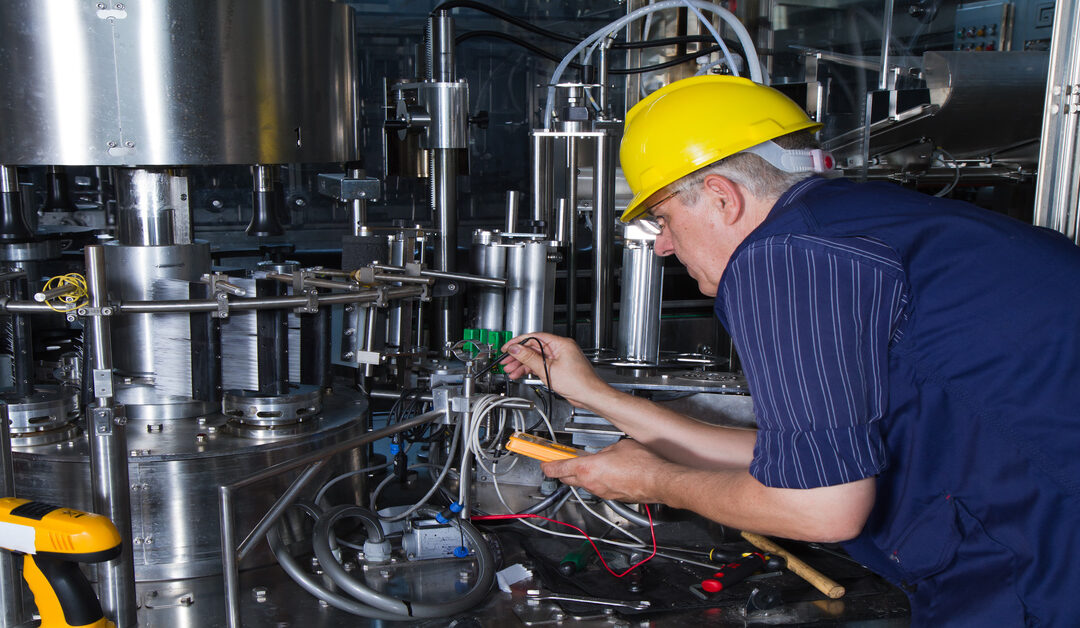
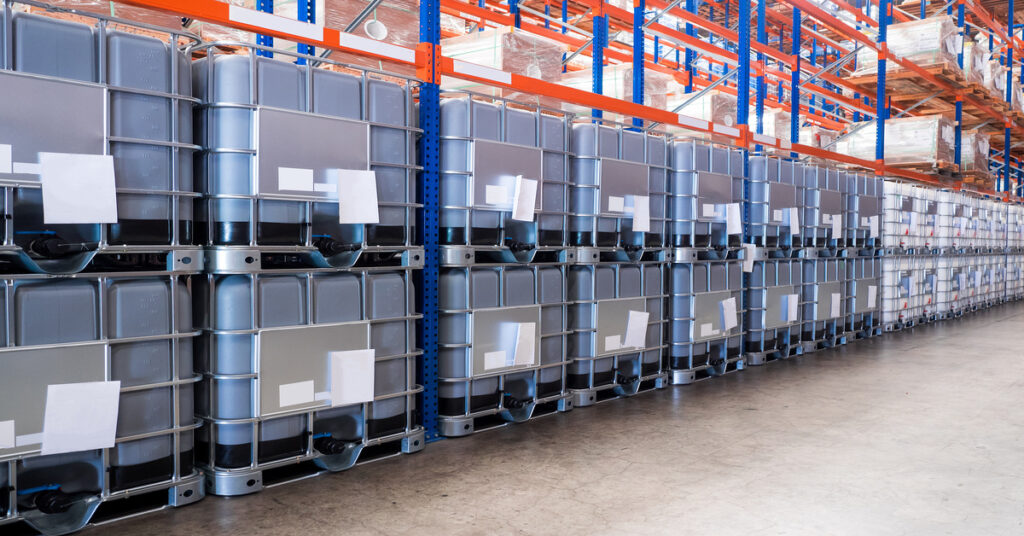
A 30-gallon solvent cleaning machine supports core operations across industries where high-volume solvent use is the standard. Facilities that process adhesives, synthetic countertops, commercial coatings, or industrial paints depend on solvent recyclers to control cost and waste.
Over time, consistent care practices help each unit operate safely while reducing environmental liabilities. Managing usage, monitoring residue levels, and training personnel correctly all contribute to longevity and a better return on investment.
Select the Correct Solvent Types and Usage Volumes
Solvent selection directly affects the internal condition and recovery rate of the machine’s core components. Solvents with high water content or excess resin content create residue buildup that hardens during operation. A machine that receives incompatible solvent loads repeatedly can experience corrosion inside the drum or clogging in the distillation column.
Operators must identify each solvent’s composition before loading it into the unit and confirm that the recovery profile matches the machine’s design tolerances. Recovery systems built for hydrocarbons or mineral spirits will not perform optimally when introduced to aggressive ketones or chlorinated compounds. To maximize the lifespan of a 30-gallon cleaning machine, match output volume with chemical behavior and recovery thresholds for reliable, long-term use.
Underestimating solvent volume needs can cause backpressure on seals and reduce batch quality due to overflow. Manufacturers that process three or more drums monthly need to balance throughput with proper cooldown intervals to avoid heat-related fatigue. Monthly solvent reports allow managers to adjust feed schedules and identify compatibility trends across production cycles.
Maintain Ideal Environmental Conditions
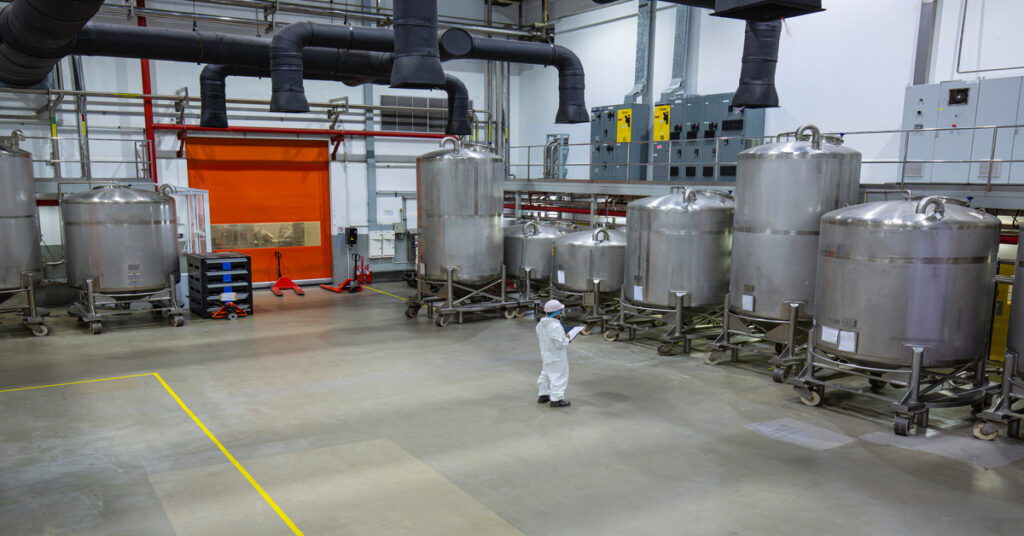
Placement location within the facility plays a measurable role in equipment longevity and reliability. A poorly ventilated corner, high-traffic aisle, or proximity to airborne particulate sources can reduce system efficiency by trapping heat or introducing fine debris. Machines positioned near open production zones experience higher internal wear due to ambient temperature shifts and contamination.
Facilities that operate in humid climates must install proper dehumidification systems to prevent moisture intrusion inside solvent chambers. When water vapor accumulates during recovery, sludge can form along the base and cling to sensors or heating elements. Environments that maintain consistent airflow, low humidity, and stable temperature ranges promote better thermal cycling and reduce expansion strain.
Machine longevity depends heavily on airflow orientation and distance from contamination points. Filtered enclosures or air curtains help shield the unit from powders, aerosols, or atomized resins used in neighboring equipment. Staff should inspect surrounding zones weekly to confirm that no physical obstructions or spills create risk around the machine footprint.
Use Consistent Cleaning and Draining Procedures
Cleaning cycles must follow a documented routine tied directly to batch frequency and solvent load characteristics. After each run, internal tank walls often collect residue that requires full drainage and wipe-down to maintain separation efficiency. Facilities that skip this step typically experience film buildup, which can degrade performance and raise internal temperatures across cycles.
Tank sludge left undrained eventually crystallizes and hardens, making it difficult to remove without chemical stripping or disassembly. Solvent ports and drain valves must remain free of hardened film to prevent back pressure or poor flow. Cleaning technicians should rely on stainless steel scrapers or nonabrasive brushes to preserve interior linings while removing dried residue.
At Solvent Waste Management, we provide solvent recovery support for facilities operating a 30-gallon solvent recycler and help them develop efficient, repeatable processing schedules. Clients who follow consistent maintenance protocols reduce downtime, save money on repairs, and meet EPA (Environmental Protection Agency) guidelines. Our domestic support team offers guidance based on the use case, solvent type, and volume trends to keep equipment operating with minimal interruption.
Monitor Residue Buildup and Tank Levels
A recovery drum will not function if excess waste collects in areas designed for heat transfer or circulation. As residues increase, the recoverable amount of solvent declines. This reduces the overall return on investment and increases the labor required for each cycle. Operators must regularly monitor visible residue depth and log sludge accumulation patterns per batch.
Sensors are an option for measuring sedimentation zones, but visual inspection still provides the clearest indicator of when action is required. Paint-based solvents and adhesive compounds might leave behind heavy deposits that harden near base heaters or coils. Staff should inspect gaskets, ports, and all accessible surfaces before starting new cycles to catch buildup early.
To maximize the lifespan of your 30-gallon cleaning machine, assign monitoring tasks to trained employees who understand both chemical properties and system thresholds. Clear visual logs can help identify equipment strain before major wear occurs. Early identification allows small adjustments—such as cleaning intervals and solvent filtering—that preserve efficiency without costly downtime.
Schedule Preventive Inspections Based on Use Frequency
Inspection schedules must follow real-world usage patterns rather than fixed calendar dates. A facility that runs five recovery cycles per week requires a more aggressive inspection schedule than one operating twice per month. High-volume use introduces more heat cycles, seal expansion, and fluid stress, which creates greater long-term wear.
Each inspection should include a review of lid integrity, gasket tension, drum seal alignment, and interior wall condition. Operating logs should indicate any abnormal sounds, leaks, or delays that appeared during recent runs. A checklist posted near the machine offers helpful reminders for both seasoned and new staff.
Preventive care allows teams to address wear before it results in failure or leaks. Service intervals tied to throughput data often yield better outcomes than those based on guesswork or default manufacturer timelines. Industrial managers who track inspection data often detect performance declines early and avoid emergency shutdowns altogether.
Follow Proper Cooldown and Shutdown Protocols
Machines that process solvents must cool evenly after each run to avoid warping of drum walls or lid distortion. Teams should wait for the digital temperature readout to return to baseline before powering off any system functions. Removing the lid too early introduces stress across the sealing surface, especially when heat remains concentrated in the upper chambers.
The final step in every batch involves a partial lid opening to release trapped vapors safely before storage or reuse. Operators should never restart a new cycle before the system reaches a neutral thermal state. Powering down prematurely or skipping cooldown periods increases long-term damage risk due to contraction shock and unbalanced pressure.
Daily logs should include shutdown timestamps and visual checks for vapor clarity, residue streaking, or heat distortion on exterior components. Facilities that enforce a three-minute cooldown check-in process often extend equipment longevity without requiring technician involvement. Logged data provides traceability in the event of future mechanical issues or safety questions.
Train Operators With Industry-Specific Best Practices
Staff must understand the chemistry, flow behavior, and residue potential of every solvent they load into a recovery unit. In industries like paint refinishing or composite fabrication, incorrect handling often results in machine damage from non-neutralized solvents. Operators must receive job-specific training focused on each material’s flash point, recovery rate, and post-cycle residue character.
New hires must work directly with experienced technicians to master machine prep, shutdown, cleaning, and data logging procedures. Training should include walkthroughs for minor troubleshooting, residue evaluation, and safe material handling.
Refresher sessions conducted quarterly help reinforce best practices and update teams on any observed equipment issues. Managers can use real production data to tailor training to problem areas or repeated mistakes. Companies that invest in skill development gain better compliance outcomes and less unplanned repair downtime.
If you find yourself in need of solvent recyclers or support, Solvent Waste Management helps keep machines running longer with less waste and more precision. Contact our US-based support team to get help optimizing your solvent recovery strategy today.