
Every business owner knows the stinging pain of monthly operational costs. You look at the balance sheet, and one line item always seems to creep up: waste disposal. For manufacturing and industrial sectors, handling hazardous byproducts isn’t just a logistical headache; it is a massive financial drain. But what if that waste stream actually held value? What if the sludge you pay to haul away could become an asset?
Sustainability in the industrial sector often gets a bad rap as an expensive PR move or a regulatory burden. However, a shift is happening. Companies are moving away from the old “dig, dump, and pay” model toward sustainable hazardous waste systems. This approach does not just protect the environment; it protects the bottom line. By rethinking how we handle volatile chemicals and industrial byproducts, businesses can reclaim resources, slash overhead, and secure a competitive edge. Continue reading to discover an overview of sustainable hazardous waste systems.
Defining Hazardous Waste and Its Environmental Impact
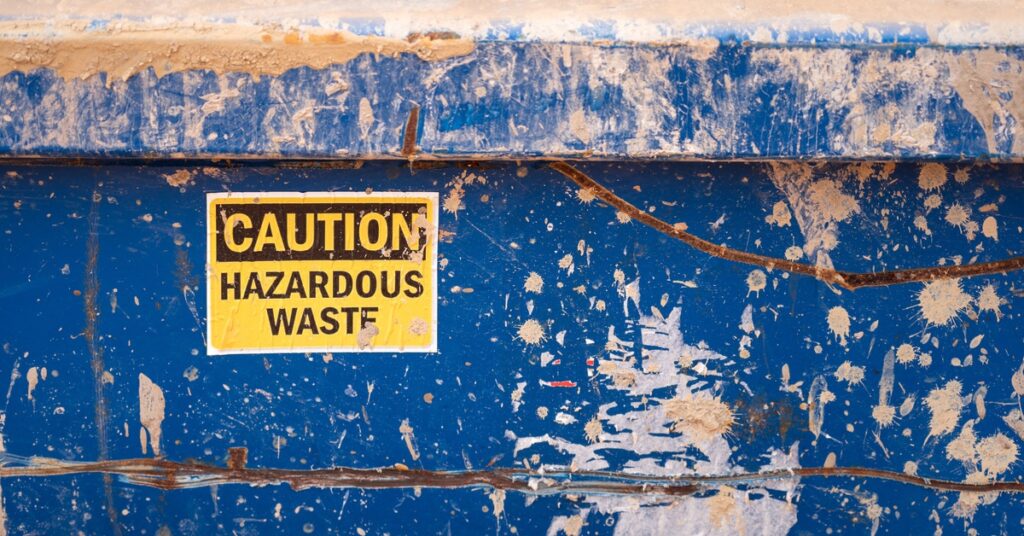
Before fixing the problem, we must define it. Hazardous waste includes any solid, liquid, or contained gas that poses a substantial threat to public health or the environment. In the manufacturing world, this often looks like spent solvents, paint thinners, cleaning fluids, and chemical residues. These substances might be ignitable, corrosive, reactive, or toxic.
When a facility mishandles these materials, the consequences extend far beyond a regulatory fine. Leaks can contaminate local groundwater. Vapors can degrade air quality. Even transporting this waste to a disposal facility adds a significant carbon footprint. The traditional linear path—buy, use, dispose—creates a cycle of consumption that depletes natural resources while simultaneously polluting the ecosystem.
Traditional vs. Sustainable Waste Management Approaches
The conventional approach to industrial waste management relies heavily on third-party disposal services. A manufacturer buys virgin chemicals, uses them until they become too dirty for the process, and then pays a licensed hauler to remove the waste. This model creates a dual cost: the price of buying new materials and the price of getting rid of the old ones. You essentially pay for the product as it comes in and goes out.
Sustainable waste management flips this script. Instead of viewing the used chemical as garbage, a sustainable system sees it as a resource awaiting restoration. This circular approach prioritizes recovery over disposal. By implementing on-site recovery solutions, a facility keeps the material in the production loop for as long as possible. The goal shifts from managing waste to managing resources.
Key Principles
A truly sustainable system operates on a hierarchy of actions. Source reduction sits at the top. If a process can achieve the same result with less hazardous material, that is the first step. However, most industrial cleaning, painting, and coating processes require specific chemical reactions that non-hazardous substitutes cannot always replicate.
Recovery and reuse become the dominant principles when substitution isn’t an option. This principle involves capturing the waste stream immediately after use and processing it to separate the contaminants from the usable product. The system must be efficient enough to return the material to a state near its original purity. Furthermore, the remaining waste—the actual sludge or solids left after recovery—must be minimized to the smallest possible volume to reduce the final disposal footprint.
Technologies and Innovations
Technology drives this shift toward sustainability. The most effective tool in this arsenal for many industries is the modern distillation unit. Specifically, solvent recycling machines serve as the heart of a sustainable waste system for any business that uses acetone, turpentine, mineral spirits, or paint thinners.
These units operate through a distillation process. The machine heats the dirty solvent to its boiling point. The pure solvent turns into vapor, rising and leaving behind heavier contaminants such as grease, oil, paint, and debris. The system then condenses that clean vapor back into liquid form. The result is a clean, reusable solvent that performs just like the material.
Innovations in this space have made these machines remarkably user-friendly and efficient. Modern units utilize advanced automation to monitor heat levels and cycle times, guaranteeing safety and optimal recovery rates. The waste byproduct from these machines consolidates into a solid, manageable residue rather than a messy liquid slurry. Operators can easily remove this dry cake and transfer it to disposal containers, making the handling process safer and cleaner than traditional methods.
Benefits of Implementing Sustainable Practices
The argument for adopting these systems goes well beyond environmental ethics; the financial math speaks for itself. Reducing the purchase of new solvents creates immediate savings. If a facility recycles 90% of its solvent, it only needs to replace the 10% lost during use and evaporation. This drastic reduction in procurement costs often yields a return on investment in months, not years.
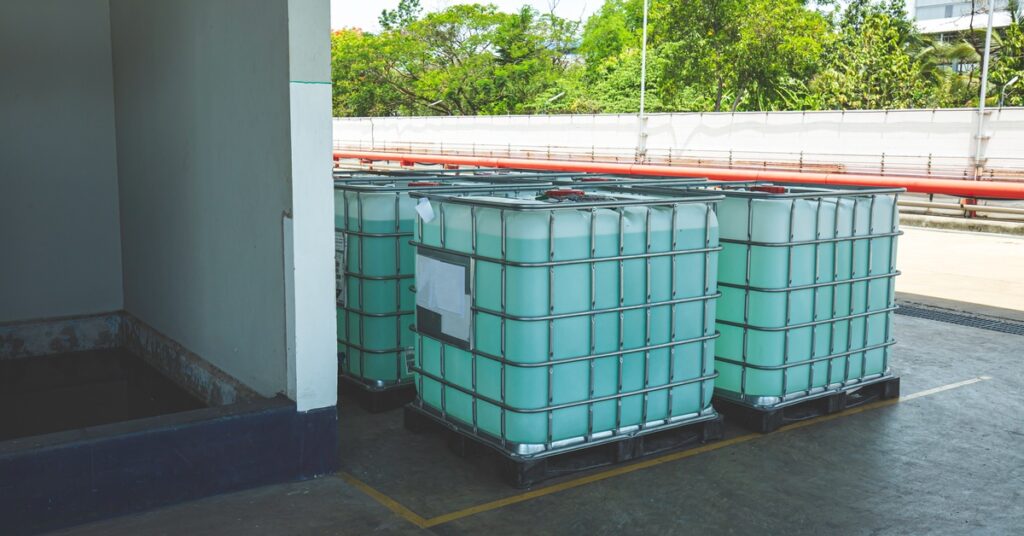
Disposal costs drop in tandem with procurement costs. Because the facility recovers the bulk of the liquid, the volume of waste leaving the plant shrinks significantly. Paying to dispose of a few drums of solid residue costs a fraction of what it costs to dispose of hundreds of gallons of liquid hazardous waste.
Reliability is another key benefit. Choosing equipment made in the USA often ensures better access to parts and support. When a machine is integral to daily operations, waiting weeks for an overseas component isn’t an option. Domestic manufacturing partners understand this urgency and build robust systems designed for longevity.
Challenges and Barriers to Adoption
Despite the clear advantages, hesitation remains. The primary barrier is often the initial capital outlay. Purchasing industrial-grade recycling equipment requires an upfront investment that some small to medium-sized businesses find daunting. However, many equipment providers now offer financing partners or lease-to-own options, allowing the monthly savings to cover the monthly payments.
Operational inertia also plays a role. Changing a workflow takes effort. Plant managers might worry that operating a new machine will add complexity to their team’s daily routine. In reality, modern systems operate with extreme simplicity, but overcoming the fear of the unknown requires education and demonstration.
Future Trends and Opportunities
The future of hazardous waste management leans heavily toward smarter, more integrated systems. We are moving toward closed-loop automation where the recycling unit connects directly to the production machinery. In this scenario, dirty solvent leaves the paint booth or parts washer, flows directly into the recycler, and returns to the equipment as clean fluid without manual transfer.
Additionally, as chemical costs rise and disposal regulations tighten, the definition of “waste” will continue to evolve. Materials we currently discard will likely find new life through advanced recovery techniques. Companies that adopt these technologies early will position themselves as leaders in efficiency.
Embracing Sustainability
Sustainability in the industrial sector is a fundamental strategy for financial health. The days of treating hazardous waste as a fixed cost are ending. By integrating recovery technologies such as solvent recyclers, businesses can transform a liability into an asset.
The path forward involves looking at every drum of waste leaving a facility and asking if that material truly needs to leave. More often than not, the answer is no. Recovering resources on-site saves money, protects the environment, and simplifies operations. It is a rare business decision where the financial choice and the ethical choice are exactly the same.