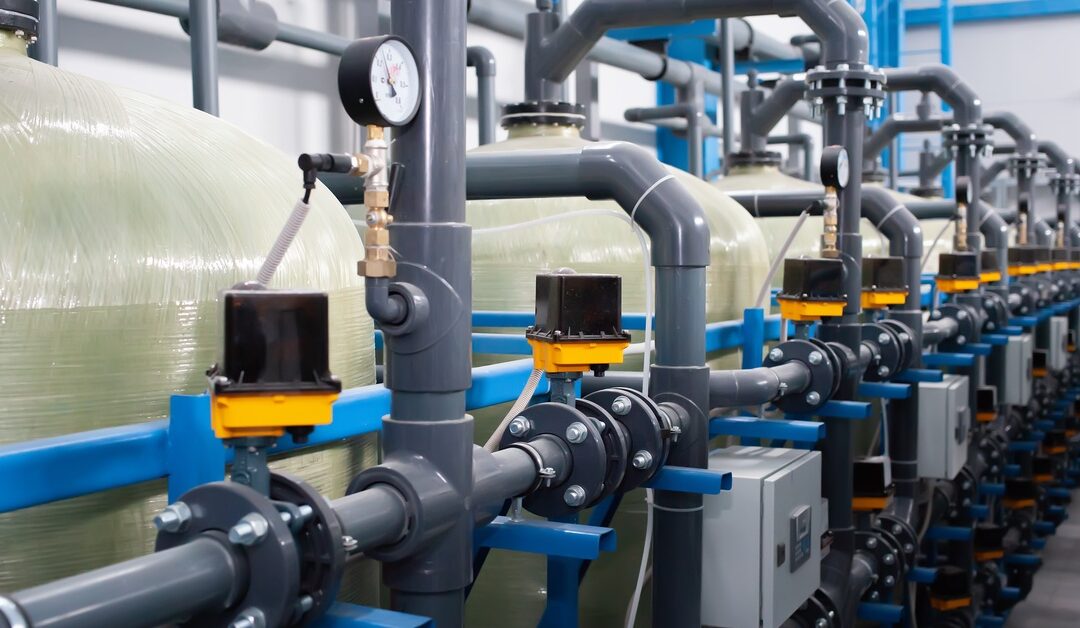
Facilities generate waste every day, and hauling it off-site can feel like the default setting. You pay for transport, you wait on pickups, and you live with the risk that a missed service window backs up production. On-site waste treatment units promise a different rhythm: process waste where you make it and reduce what leaves your dock. That promise can pay off, but it also asks for ownership, attention, and operational discipline.
Decision-makers often face one deceptively simple question: Do we keep outsourcing the problem, or do we bring part of it in-house? The right answer depends on your waste streams, your space, your people, and your tolerance for hands-on management. A clear look at the trade-offs helps you choose a path that matches how your plant actually runs. Here are the pros and cons of on-site waste treatment units.
What Counts as an On-Site Treatment Unit
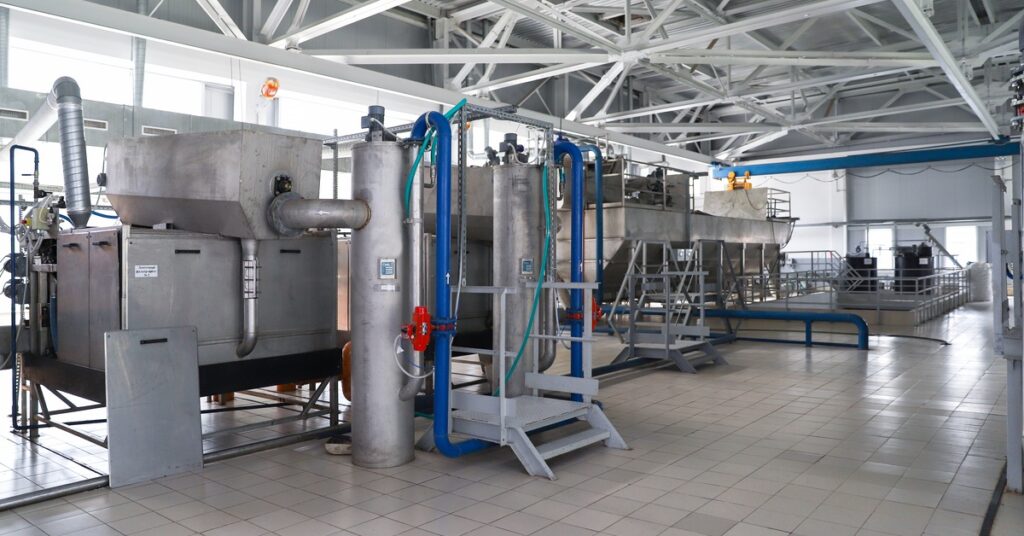
On-site waste treatment units cover a wide range of equipment, and the label can mean different things from one facility to the next. Some operations run wastewater systems that neutralize, separate, or filter contaminants before discharge or hauling. Others treat process waste with physical separation, chemical adjustment, thermal methods, or solvent recovery, depending on what the waste contains.
Most units follow the same basic idea: they turn a hard-to-handle waste stream into something smaller, less hazardous, or easier to dispose of. Some units also reclaim usable material, which shifts the conversation from “treatment” to “recovery.” That difference matters because recovery can offset costs and reduce purchasing needs.
Why Teams Like On-Site Treatment
Many facilities adopt on-site treatment because they want control. They want fewer pickups on the schedule, fewer drums stacked in the corner, and fewer surprises tied to outside vendors. When the unit fits the waste stream, on-site treatment can simplify daily operations and reduce long-term spend.
On-site treatment can also cut the volume of waste shipments. Less shipped waste can mean fewer manifests, fewer loading events, and fewer opportunities for handling errors. Operations often see a cleaner, calmer footprint when they reduce the number of containers moving around the facility.
In some settings, on-site processing also improves responsiveness. If you treat waste daily or per shift, you avoid the “we’ll deal with it later” pileup. That rhythm supports production flow, especially in plants that generate steady waste volumes and cannot pause work to wait for a truck.
The Details Matter
Cost savings often drive the initial interest, but the savings rarely land in one neat bucket. A facility might spend less on off-site disposal, but it might spend more on utilities, maintenance, consumables, and labor. Strong outcomes come from a realistic view of total cost of ownership, not a single-line comparison against disposal invoices.
On-site units can also reduce the amount of virgin material a plant buys. Solvent recovery offers a clear example. When you reclaim usable solvent, you can cut purchase frequency and reduce storage needs for new solvent drums. Solvent Waste Management focuses on solvent recovery systems that support this kind of closed-loop approach for many industrial operations.
However, capital costs can feel heavy up front. Financing, depreciation schedules, and procurement cycles can complicate the decision even when the long-term math looks favorable. Teams that map cash flow alongside operational savings usually feel more confident, because they avoid rosy assumptions that break under real-world throughput.
Less Hauling
Every waste pickup creates a small event. Someone stages containers, someone signs paperwork, someone supervises loading, and someone deals with the inevitable question when a label looks wrong. On-site treatment can reduce the frequency and intensity of those events, which can free your team for higher-value work.
Reducing on-site accumulation also helps housekeeping and safety. When waste piles up, it competes with production space and invites rushed handling. A consistent on-site process can keep volumes predictable and limit how often employees move waste containers across active work areas.
That said, on-site treatment does not eliminate logistics. It shifts logistics inward. You still move material, but you move it into a unit, through a process, and into a smaller disposal stream. That shift can help, but it demands consistent operating habits.
Compliance Is Important
Outsourcing does not remove responsibility, but it can reduce the day-to-day compliance burden. On-site treatment flips that dynamic. Your team owns operating parameters, recordkeeping, maintenance logs, and training practices, and inspectors can ask questions about each part.
Some facilities welcome that control. Others struggle with it, especially when they lack in-house environmental bandwidth. A unit that runs flawlessly for months can still create risk if the facility treats it like a “set it and forget it” asset.
If your site runs under specific air, wastewater, or hazardous waste requirements, your team should evaluate how a treatment unit fits those obligations. Your equipment choice should align with your permits, your waste codes, and your internal procedures. When you treat waste on-site, you place operations and environmental compliance on the same track, and they need to move together.
No Day-to-Day Surprises
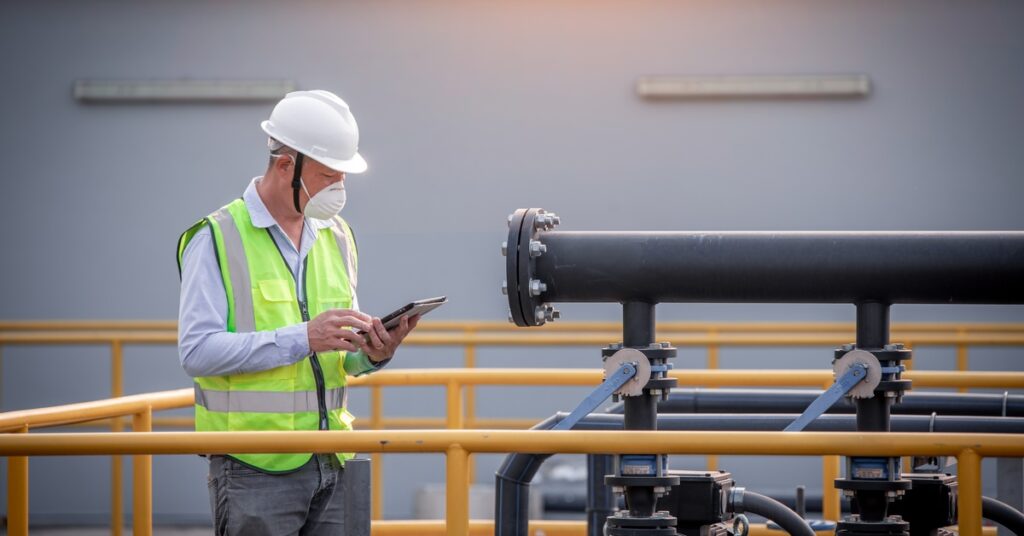
On-site units require attention, even when automation supports the process. Operators need to stage feed material, monitor cycles, manage residues, and keep the unit clean. Maintenance teams need to plan for wear parts, inspections, and occasional troubleshooting.
A solvent recovery unit illustrates this point well. A solvent cleaning machine that recovers solvent through distillation can reduce solvent purchases and waste shipments, but it still requires thoughtful loading practices and residue handling. Solvent Waste Management’s SW55, for example, targets acetone recycling at a 55-gallon scale, which can suit facilities that generate meaningful volumes and want a more self-managed loop.
Operational reliability depends on fit. When the unit matches the waste stream, it tends to behave predictably. When waste varies in composition, solids load, or contamination level, the process can drift and force adjustments that operators may not expect.
Improved Safety
Teams often talk about safety in abstract terms, but on-site treatment brings safety into daily routines. Units can reduce manual handling of waste, but they also introduce heat, pressure, chemicals, or moving parts, depending on the technology. Your facility needs clear procedures that reflect how operators actually work during a busy shift.
Thermal and solvent recovery equipment, in particular, demands respect for flammability, ventilation, and proper controls. Many systems include layered protections like temperature and pressure safeguards, which can support safer operation when teams follow procedures. Even with strong safety features, teams still need training, supervision, and a culture that treats the unit as production equipment, not a side project.
Safety also touches residue management. Treatment often concentrates contaminants into a smaller stream. That outcome helps disposal costs, but it can create hotter waste that demands careful packaging and labeling. Your process should treat residues as a primary output, not an afterthought.
The Conversation Can Change
Facilities rarely have spare space sitting idle, and on-site units compete with production needs. Even compact systems require access, drum staging, and safe clearances for operation and maintenance. If your plant already struggles with material flow, adding equipment can create bottlenecks unless you plan the layout with care.
Utilities matter too. Treatment units may draw power, compressed air, water, or ventilation support, depending on the method. Those requirements can increase operating costs and complicate installation. A smart plan looks beyond the unit footprint and includes the real “operating footprint” that the process demands.
Noise and heat can also influence placement. A unit located in the wrong area can frustrate operators and spark workarounds. Workarounds create risk, so placement deserves as much thought as specs.
How To Decide Without Overthinking It
A practical decision process starts with waste characterization and volume tracking. You need to know how much waste you generate, how often you generate it, and what drives variability. You also need honest input from the people who will run the unit, because their workflow will make or break outcomes.
Next, compare options through a total-cost lens that includes labor, consumables, utilities, maintenance, training, and downtime risk. If solvent recovery sits on the table, include purchase reduction in your analysis, not just disposal reduction. Solvent Waste Management, Inc. often supports customers who want to recycle solvents on-site, and that recovery angle can reshape the math for facilities that spend heavily on solvents like acetone.
Finally, think about ownership. If your team wants control and can sustain consistent operating habits, on-site treatment can fit well. If your site already stretches thin on maintenance and environmental oversight, outsourcing may still win, or a smaller on-site system may fit better than a broad solution.
A Clear Takeaway
On-site waste treatment units can reduce hauling, shrink waste volumes, and give facilities more control over day-to-day operations. They can also add responsibility, operational complexity, and new demands on space and utilities. The best results come when the technology matches the waste stream, and the facility commits to running the unit with the same discipline it applies to production equipment.
If your plant generates a steady solvent waste stream and wants a tighter loop on purchasing and disposal, solvent recovery can play a meaningful role. Solvent Waste Management’s systems like the SW55 give facilities a way to bring solvent recycling in-house and reduce reliance on frequent pickups. When you pair the right equipment with realistic planning, on-site treatment can shift waste management from a recurring disruption into a manageable process that supports production instead of interrupting it.