Choosing the right solvent for your 30-gallon cleaning system involves more than matching a chemical to a contaminant. Every detail, from solvent flash point to regulatory classification, can impact operational efficiency, waste recovery performance, and long-term safety compliance. The right solvent reduces waste output, protects your equipment, and delivers repeatable cleaning results.
Understand the Purpose of Your Cleaning System
Before selecting a solvent, start by defining the exact role your 30-gallon unit plays within your production cycle. Are you degreasing metal parts, removing paint from spray equipment, or flushing out composite resins? Your intended application determines the necessary solvency power, evaporation rate, and material compatibility.
Manufacturers who spray high-solids coatings or clean adhesive systems often require stronger, slower-evaporating solvents to break down cured residues. In contrast, light degreasing tasks often rely on fast-drying solvents that minimize downtime between cleaning cycles. Identify your cleaning goals and align them with solvent characteristics instead of defaulting to what you’ve used in the past.
A well-defined use case also helps avoid product misalignment. For example, solvents chosen purely for cost may fail under production loads that demand aggressive performance or longer wet-out times. Clarifying expectations at the start of the process avoids costly rework, clogged lines, and safety concerns down the line.
Evaluate the Solvent’s Flash Point and Boiling Range
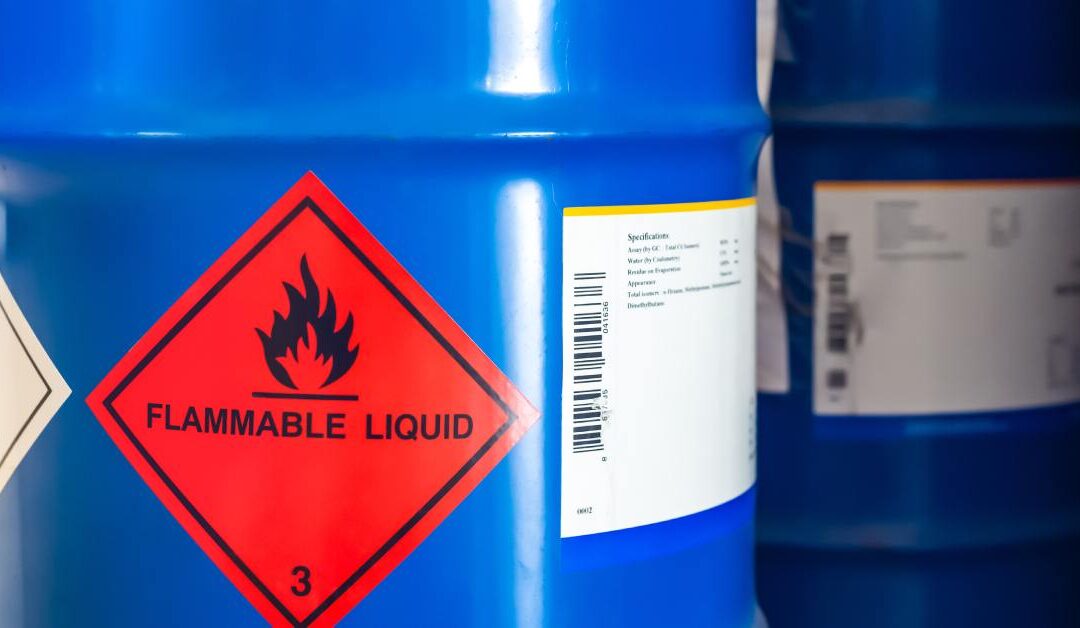
The flash point significantly influences fire risks and handling procedures. Low flash point solvents, such as acetone and MEK, evaporate quickly but increase workplace volatility. Higher flash point blends, such as mineral spirits or naphtha-based options, offer greater control and can reduce your facility’s exposure to ignition hazards.
When working with a 30-gallon cleaning system, you also want a solvent with a boiling range that complements your recovery process. Narrow boiling ranges allow for more consistent solvent recovery, while wider ranges may introduce cross-contamination risks. Use a closed-loop system with temperature control to stabilize solvent behavior during the cleaning and recycling cycles.
Pay attention to the solvent’s behavior under actual operating conditions, not just spec sheet numbers. A solvent that looks ideal on paper may behave unpredictably when exposed to tank agitation, pressure changes, or heat cycling. Test your chosen blend under load to see how it performs in real-time workflows.
Consider the Environmental and Safety Profile

Most operators care deeply about safety and EPA compliance—and you should too. Solvents with high VOC content, hazardous air pollutants (HAPs), or reactivity concerns demand stricter handling protocols and waste classifications. Choosing a lower-VOC or exempt solvent blend can reduce your reporting burden and streamline safety documentation.
At Solvent Waste Management, we support operations that want to clean smarter while staying within federal and state compliance frameworks. We also provide a premium thinner recycler machine that helps customers reduce disposal volume, lower solvent purchasing costs, and improve on-site safety by minimizing storage of flammable waste.
Match Solvent Type to Your Material Needs
Not all solvents interact the same way with coatings, resins, and adhesives. For example, toluene or xylene may work well for alkyd-based systems but perform poorly on urethanes. Composite manufacturers cleaning epoxy tools need solvents that penetrate without swelling the base material.
Always conduct spot testing when switching solvents, especially when using reclaimed blends. Many facilities save money by integrating recycled solvent streams, but that only works if compatibility remains consistent. Establish a documented protocol for solvent evaluation tied to your quality control process.
Plan for Recovery and Reuse
When you’re processing large solvent volumes each month, recovery performance becomes a critical metric. Selecting the best solvent for a 30-gallon cleaning system requires evaluating how well the solvent distills, separates, and returns to usable condition.
Effective recovery depends on how well a solvent separates during the distillation process. Blends with narrow boiling ranges and low particulate contamination typically perform best in 30-gallon systems, allowing for more efficient reuse without compromising cleaning power. Choosing a solvent that maintains stability across multiple cycles helps extend usability while reducing hazardous waste output.
Ask About Domestic Availability and Support

Lead times matter, and so does technical support. Many manufacturers rely on imported solvents with unpredictable supply chains and inconsistent formulations. To avoid costly delays, prioritize domestic sources with a proven production history and SDS transparency.
We manufacture and support our equipment here in Texas and maintain relationships with trusted US solvent suppliers. This allows our customers to control procurement more reliably while also supporting American-made quality standards.
Dependable access to domestically produced solvents also means fewer formulation changes, clearer SDS documentation, and shorter turnaround times during critical maintenance cycles. Facilities operating on tight schedules can’t afford delays caused by shipping hold-ups or material substitutions. Domestic support ensures a consistent solvent stream and a direct line to help when adjustments are needed.
Integrate the Right Solvent With System Design
No cleaning system operates in a vacuum. Tank size, agitation method, temperature control, and filtration affect how well a solvent performs. Selecting the best solvent for a 30-gallon cleaning system means examining how each variable amplifies or limits performance.
A fast-evaporating solvent may dry too quickly inside an open system without proper lid control, while a heavier solvent might settle without recirculation. Match solvent characteristics to system design instead of forcing the process to adapt to the chemical.
System mismatches often reveal themselves in inconsistent cleaning outcomes, residue buildup, or inefficient recovery cycles. If your results fluctuate between batches, solvent behavior may be interacting poorly with process hardware or environmental conditions. Rather than overcompensating with excess volume or cycle time, reassess how your cleaning infrastructure supports the solvent’s core properties.
Look Beyond Cost Per Gallon
A cheaper solvent might look attractive on the invoice but deliver weak solvency, higher waste rates, or poor recovery. Over time, that increases—rather than lowers—your material spend. The total lifecycle value, including recovery rate, cleaning efficiency, and waste disposal cost, tells the real financial story.
Facilities may see an ROI within 12 months depending on solvent type, system efficiency, and volume processed. Most only need to process three drums of waste solvent per month to reach their breakeven point. Longevity, compliance, and operational uptime all stem from choosing smarter, not cheaper.
Choosing the best solvent means aligning performance with system design, recovery expectations, safety goals, and long-term cost control. Don’t settle for generic solutions or legacy habits when your cleaning system demands better.
At Solvent Waste Management, we work with cabinet makers, composite manufacturers, paint operations, and industrial refurbishers who rely on clean tools and consistent throughput.
Our recycling equipment—made in the USA—supports those goals, and our team stands ready to help you build a solvent recovery process that pays for itself. Contact us today for expert guidance, customized recommendations, and premium solvent cleaning machines.