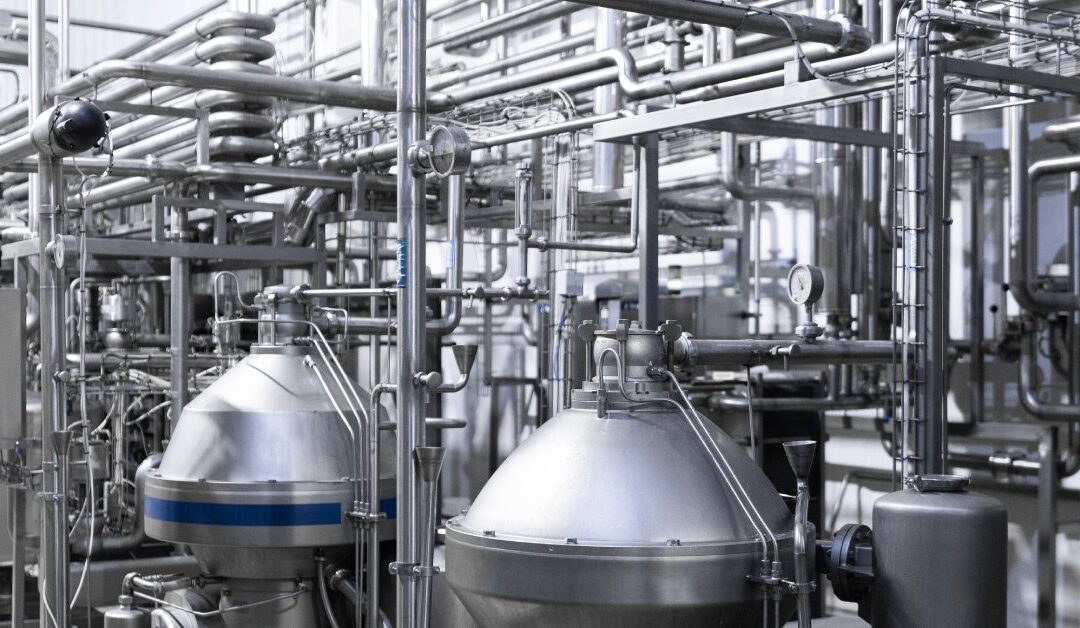
Solvent cleaning machines have become essential for manufacturers who handle large volumes of flammable, expensive, or regulated chemicals. Facilities across the United States now face tighter waste regulations, higher disposal fees, and stricter environmental audits.
Solvent recycling equipment solves those challenges with reliable performance, long-term savings, and cleaner workflows. Companies that adopt solvent recovery systems reduce liability while unlocking operational value across every shift.
Closed-Loop Solvent Recovery Systems
Closed-loop recovery systems distill used solvents and collect them for immediate reuse, removing the need for external disposal. Each unit captures and purifies solvent from contaminated liquid, restoring clarity and performance without producing additional waste. Operators simply load drums, activate the system, and retrieve clean solvent hours later, ready for the next production run.
Cabinet makers, marine fabricators, and paint shops use closed-loop systems to avoid frequent hazardous waste shipments. By recycling solvents in-house, they avoid transport costs, generator paperwork, and disposal reports. With every cycle, the equipment pays for itself through reduced purchases and fewer regulatory headaches.
One major key feature and benefit of solvent cleaning machines is their ability to eliminate off-site disposal in many high-volume shops. That operational shift alone improves EPA standing and boosts internal sustainability scores. Once installed, the system quietly runs in the background, reclaiming usable product from what was once overhead.
Built-In Safety and Fire Prevention Features
Every solvent recovery machine manufactured today must be able to handle flammable chemicals at high temperatures. Manufacturers build each system with sealed heating chambers, static-resistant wiring, and grounded connections to prevent ignition. Fire-rated controls regulate internal conditions without triggering sparks, leaks, or pressure imbalances.
Unlike older processing machines with belts or motors, today’s systems run without moving parts. That eliminates friction, vibration, and mechanical failure risk—all common causes of fires in solvent-heavy environments. With no gearboxes or rotors to wear down, safety becomes an inherent feature rather than an optional add-on.
Operators work confidently when handling potentially explosive materials under our tightly controlled systems. Each unit includes emergency shutoffs, thermal cutouts, and venting valves that activate automatically under duress. Safety managers can rely on solvent recovery units to meet OSHA, NFPA, and EPA standards without reworking entire shop layouts.
Simple Operation and Minimal Maintenance

Solvent recovery systems work with a basic interface and straightforward operating sequence. An employee connects a dirty drum, selects the temperature cycle, and activates the distillation process. Once the solvent distills and cools, the operator collects the clean liquid in a separate container and discards the solid residue.
With no filters, pumps, or paddles to replace, ongoing maintenance requires only occasional wipe-downs and system checks. Heating elements remain isolated, and distillation chambers operate under sealed vacuum pressure, reducing exposure. Operators do not need advanced training or dedicated technicians to keep the system running.
Another standout key feature and benefit of solvent cleaning machines involves how easily a new team member can operate one. Technicians can train new team members within an hour and resume production with minimal learning curves. Simplicity accelerates adoption and keeps production managers focused on output, not upkeep.
Cost Savings Over Hazardous Waste Disposal
Every drum of spent solvent classified as hazardous waste costs hundreds of dollars to transport, process, and document. Over time, disposal bills far exceed the price of a mid-range solvent recycling unit. Facilities that generate three or more drums a month typically break even within 12 months.
Disposal contracts also come with liability agreements, shipping logs, and audit exposure. Companies regain control over timing, volume, and storage by cutting out third-party waste handlers. Those savings also compound when paired with fewer reorders from chemical suppliers.
Purchasing departments often cite solvent recovery as the only capital equipment that reduces both supply costs and regulatory fees. Every gallon of recovered acetone or MEK reenters the process without lowering performance standards. Managers improve budgets while supporting cleaner practices—an investment that satisfies finance and compliance at once.
Versatility Across Solvent Types and Industries
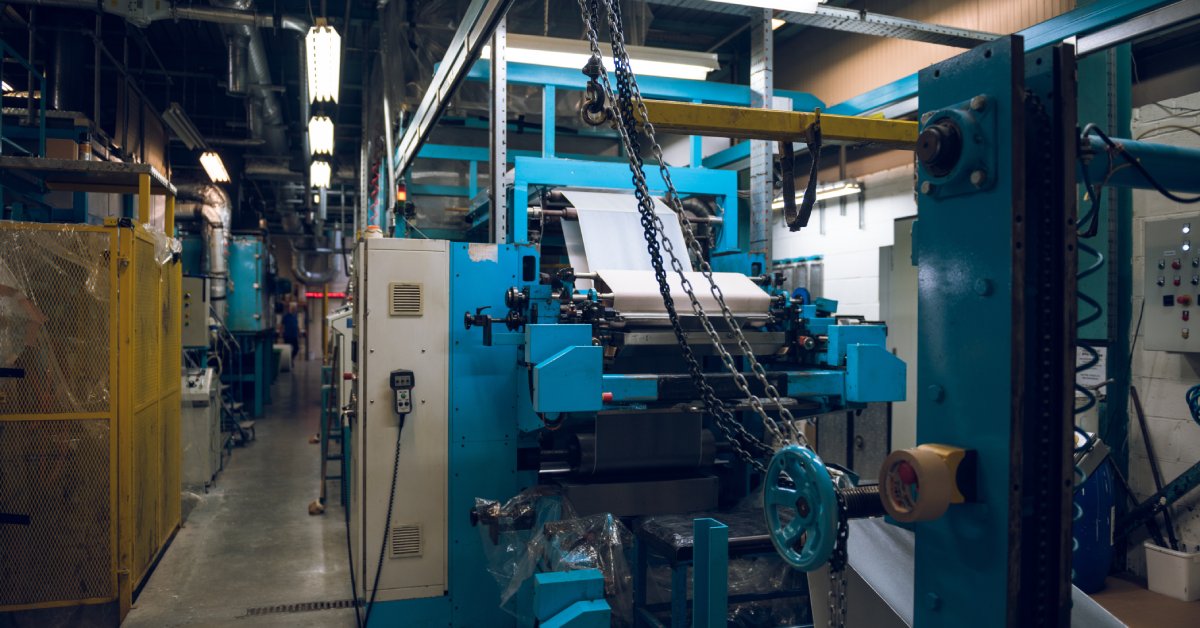
Solvent cleaning machines recover a wide range of chemicals, including acetone, MEK, xylene, toluene, and mineral spirits. Cabinet shops use them to reclaim brush cleaner and gun rinse. Boat manufacturers recover gelcoat solvents while preserving flammability ratings and purity thresholds.
At Solvent Waste Management, we support recovery processes for adhesive labs, composite builders, railcar painters, and custom refinishers. We provide tools like an acetone recycling system designed for nonstop performance under demanding loads. Our systems remove the need for constant barrel changes and let each customer focus on throughput, not chemical loss.
Every unit supports multiple solvent profiles with minimal switch-over time. Operators rinse the system, reset the temperature, and resume work without delay. Production teams appreciate that flexibility when managing variable schedules or rotating solvent needs across departments.
Domestic Manufacturing and Support
Solvent Waste Management proudly builds and supports every unit from our Texas facility. We source parts locally, assemble systems in-house, and ship directly to industrial clients across the country. This American manufacturing approach matters when customers need service fast or require documentation for federal inspections.
Unlike offshore suppliers, we offer real-time assistance, spare parts shipping, and field-tested reliability from day one. Clients receive full support from initial install to daily troubleshooting, without international lead times or translation gaps. Our team knows the machines inside and out because we build them ourselves.
Manufacturers across the U.S. choose our equipment because it works and lasts. Companies tired of overseas delays and inconsistent specs make the switch after experiencing our quality firsthand. We remain committed to providing solvent recovery tools that reflect the durability and work ethic our customers expect.
Environmental Impact and Regulatory Compliance
Every gallon of solvent that reenters production avoids classification as hazardous waste. That shift reduces EPA reporting obligations, lowers VOC emissions, and simplifies internal safety documentation. Environmental managers highlight those metrics in ESG reports and investor reviews with confidence.
Solvent recovery systems also help meet state and federal waste reduction mandates. By shrinking waste output, companies avoid generator reclassification and related penalties. Those benefits align with broader sustainability goals while preserving operational agility.
Recovering solvent on-site minimizes airborne contamination and workplace exposure. Employees benefit from lower inhalation risks and cleaner indoor air. Facilities prioritizing worker safety find solvent recovery a logical extension of their long-term risk management plan.
Solvent cleaning machines represent one of the most practical upgrades in industrial manufacturing today. The value they provide across savings, safety, and sustainability compounds with every drum in your facility.
Whether your team specializes in paint, cabinetry, adhesives, or composites, solvent recovery pays off quickly and permanently. Contact Solvent Waste Management to explore which machine fits your facility and request a quote for equipment built to outperform and outlast.