
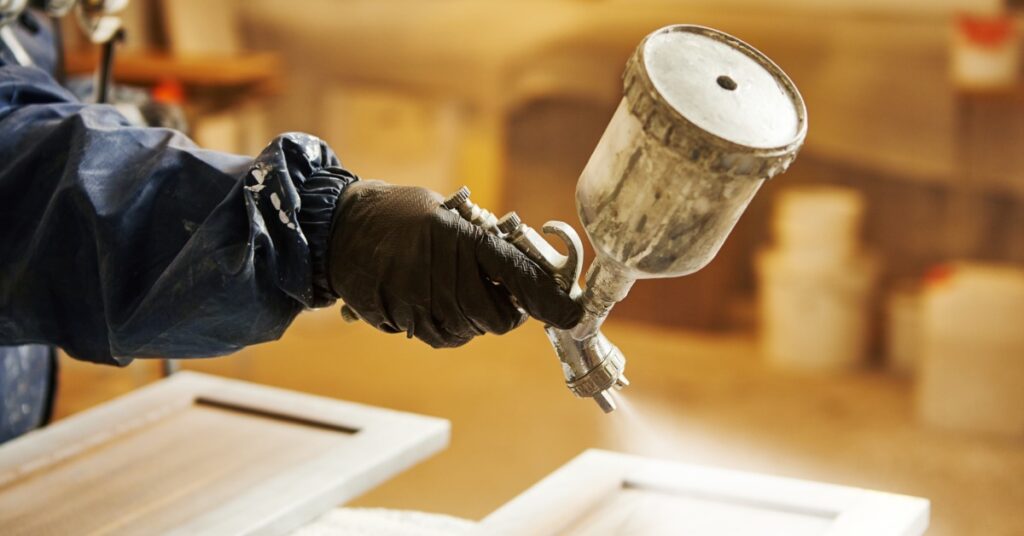
Cabinet finishing shops rely on solvents daily to clean spray guns, flush lines, prepare surfaces, and keep production moving. That constant use generates a steady stream of contaminated liquid that shops must store, manage, and eventually send for disposal. As finishing volume grows, those costs can rise quickly and put pressure on margins.
Many shop owners accept solvent purchasing and waste disposal as unavoidable operating expenses. That mindset can hide a major opportunity. A shop can recover usable solvent from its own waste stream, reduce outside service costs, and gain more control over daily material use.
Solvent recovery gives cabinet manufacturers a practical way to tighten operations without compromising finish quality. It supports cleaner workflows, reduces recurring expenses, and helps teams manage solvent waste more consistently. Check out how solvent recovery benefits cabinet finishing shops.
Lower Solvent Purchasing Costs
Cabinet shops often use large amounts of lacquer thinner, acetone, and other cleaning solvents. Workers may use fresh solvent for each cleaning cycle, then place the contaminated liquid in a waste drum. The shop pays once to purchase the solvent and again to remove the waste.
Solvent recycling systems change that pattern by separating reusable solvent from paint residue, coatings, pigments, and other contaminants. The equipment heats the contaminated solvent, collects the vapor, and condenses it back into a usable liquid. The process leaves much of the solid waste behind, making it easier to handle.
Recovered solvent can return to many cleaning tasks inside the finishing department. Shops can use it to flush spray equipment, clean tools, and support processes that don’t require virgin material. Each recovered batch reduces the need for another full purchase.
The savings grow as solvent use increases. High-output shops often see the strongest gains, but every facility should match equipment capacity to its actual solvent volume.
Reduced Hazardous Waste Disposal
Contaminated finishing solvent often qualifies as hazardous waste, so shops must follow strict storage and disposal practices. They may also rely on outside companies to pick up full drums and transport the material off-site. Each pickup adds another cost to the finishing operation.
Recovery reduces the volume of liquid waste leaving the facility. The machine separates reusable solvent from concentrated residue, so the shop sends out less material. That smaller waste stream can reduce disposal frequency and simplify storage needs.
Fewer waste drums can free valuable floor space in tight production layouts and help teams keep the finishing department organized.
Shop leaders still need to follow applicable environmental and safety requirements. Recovery doesn’t remove those responsibilities. It gives the business a stronger tool for reducing the amount of hazardous waste that requires outside handling.
More Control Over Material Supply
Finishing departments depend on reliable solvent availability. A delayed shipment can interrupt cleaning routines, slow color changes, and create bottlenecks around spray equipment. Recovery helps shops build a more dependable internal supply.
When a shop reclaims solvent on-site, it can reuse material that would otherwise leave the building. That approach reduces dependence on frequent deliveries and gives managers more flexibility during busy production periods. It also helps teams respond when purchasing costs rise, or suppliers face delays.
A controlled recovery schedule can support predictable workflows. Staff can collect contaminated solvent in designated containers, process it at planned intervals, and return clean material to approved uses. That routine turns waste handling into a managed production function.
Managers can track purchases, collection volume, and recovered output to plan orders and spot wasteful habits.
Cleaner Finishing Operations
Cabinet finishing requires careful attention to cleanliness. Dried coatings, overspray, and residue can affect spray guns, pumps, lines, and mixing tools. Teams need reliable cleaning practices to protect equipment and maintain a consistent finish.
Recovered solvent supports those routines while reducing unnecessary material waste. Workers can use reclaimed solvent for the first cleaning stage, then use fresh solvent when a final rinse requires it. That approach helps the shop stretch virgin solvent without lowering cleaning standards.
A consistent recovery process also encourages better collection habits. Employees need clear containers for dirty solvent and simple procedures for keeping incompatible materials separate. Shop managers should train employees on approved uses, collection methods, and machine operation so the team can recover more usable material.
Less Dependence on Outside Disposal
Many cabinet shops rely heavily on waste service providers. Those companies play an important role, but frequent pickups can expose the shop to schedule changes, price increases, and storage limits.
On-site recovery gives the shop another option. Instead of sending every gallon of dirty solvent away, the business can reclaim a large portion for reuse. The shop still disposes of concentrated residue, but it handles a smaller total volume.
That reduction can make waste service easier to schedule. Managers may need fewer pickups, fewer drums, and less temporary storage. The finishing department gains more room to plan around production rather than waste accumulation.
Recovery also gives managers a clearer view of solvent use and can reveal inefficient cleaning habits.
Practical Equipment for Busy Shops
Cabinet manufacturers need equipment that fits real production conditions. A recovery unit shouldn’t require constant attention or complicated daily maintenance. It should support the finishing team without creating another labor-heavy task.
Solvent recovery equipment commonly uses distillation to reclaim material. The operator loads contaminated solvent, starts the cycle, and collects the clean output after the machine completes the process. Simple controls can help shops add recovery to an existing routine.
Equipment with few moving parts can reduce maintenance demands. Shops should still follow the manufacturer’s instructions for cleaning, inspection, and safe use.
Capacity also affects performance. A machine that holds too little material may require frequent cycles, while an oversized unit may not fit the shop’s usage pattern. Managers should review monthly solvent consumption, waste drum volume, available space, and staffing before choosing a model.

Stronger Cost Planning
Solvent recovery turns two variable expenses into a more manageable operating process. Shops can reduce new solvent purchases while lowering waste disposal volume. That combination can improve cost planning across the finishing department.
The financial benefit depends on solvent use, disposal rates, equipment size, and recovery volume. High-use shops often see the clearest impact because they buy and discard more material. Every operation should calculate its own costs before making a decision.
Managers can start by reviewing invoices for solvent purchases and waste pickups. They can then compare those costs with expected recovery volume, machine capacity, and operating requirements. A realistic calculation gives the business a clearer view of potential payback.
Long equipment life can strengthen the value over time. A reliable machine can keep reducing costs after the shop recovers its initial investment.
A Smarter Finishing Strategy
Cabinet finishing shops can’t eliminate solvent use, but they can change how they manage it. Recovery helps turn contaminated material into a reusable resource instead of treating every gallon as disposable waste.
The benefits reach beyond purchasing costs. Shops can reduce waste volume, improve supply control, support cleaner workflows, and depend less on outside pickups. Those gains can make the finishing department more predictable and easier to manage.
A well-matched recovery unit can support both production goals and responsible waste handling. For cabinet manufacturers that use solvent every day, on-site recovery offers a practical path toward lower costs and tighter operations.