
Solvent waste accumulates quickly inside active manufacturing environments, creating hidden inefficiencies that grow more expensive with scale. Frequent solvent use in commercial painting, adhesive cleanup, or composite finishing often leads to unplanned downtime, space limitations, and labor reallocation.
Many operators already understand the regulatory burden tied to hazardous material accumulation, but few recognize how deeply solvent storage interferes with daily workflows. Manufacturing teams that install solvent recycling units gain measurable improvements in output, compliance, and chemical supply control.
Understanding Solvent Waste Impact on Operations
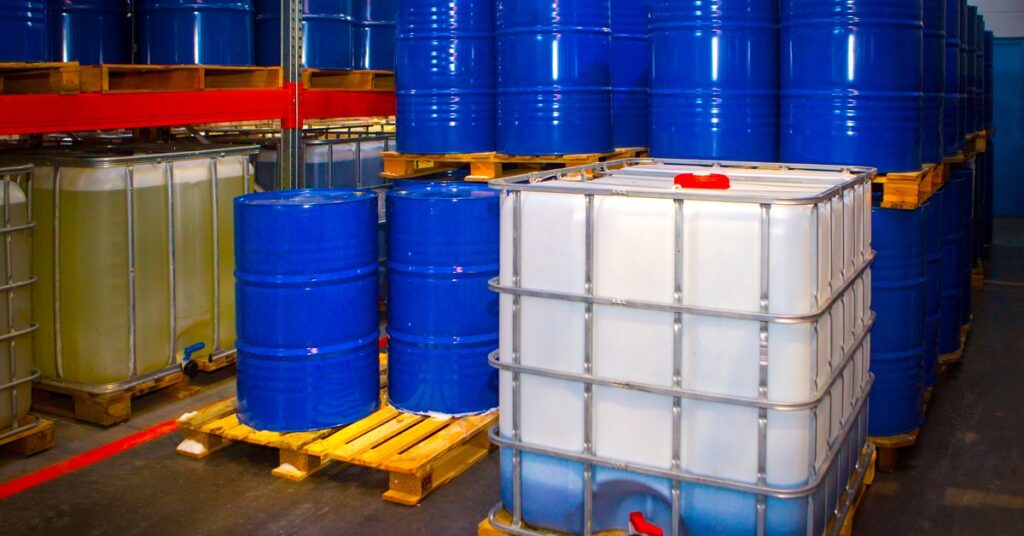
Stored solvent drums occupy production space, limit movement near workstations, and force employees to plan around hazardous storage zones. In paint-heavy industries like cabinetry or railcar refurbishment, excessive waste disrupts airflow patterns, reduces storage efficiency, and slows tool accessibility. Additional containers increase fire risk, limit ventilation capacity, and interfere with batch scheduling during peak demand.
Many operators spend valuable time relocating, sealing, and tracking solvent containers instead of focusing on equipment preparation or surface prep. Crews working inside composite facilities often move the same solvent drums multiple times in one shift due to layout restrictions or vendor delivery overlaps. Operations redirecting manpower toward waste handling sacrifice productivity and risk errors in core production tasks.
Solvent storage challenges reduce equipment prep speed, complicate refill routines, and block essential material staging. Shop layouts become reactive rather than optimized when crews must adjust for every new chemical barrel or wait for third-party removal. Cumulative disruptions from solvent buildup undercut overall performance, introducing friction into every step of the workflow.
Key Factors That Determine Savings Potential
Monthly solvent output provides the clearest signal for evaluating recycling system ROI. Facilities producing three or more drums of used solvent per month generally see strong financial recovery within the first twelve months of operation. The output level supports consistent reclaim cycles and predictable cost avoidance.
A great solvent recycling solution for efficiency and sustainability is a distillation unit sized precisely for average weekly solvent generation and integrated into a dedicated workflow zone. Composite manufacturers using steady volumes of acetone or resin thinner typically reclaim enough solvent to reduce new purchasing by half. Consistent solvent throughput leads to repeatable savings without interrupting shift structure or maintenance routines.
Solvent variety also plays a key role in long-term results. Shops using a narrow range of solvents, such as xylene, MEK, or lacquer thinner, benefit from simplified recovery processes that reduce cleaning cycles and operator intervention. Predictable solvent input supports standardized procedures, lower training needs, and fewer changeovers across reclaim batches.
Workplace Benefits Beyond Cost Savings
Solvent drum removal directly improves safety, cleanliness, and workspace flexibility inside active production environments. Fewer containers reduce odor accumulation, remove tripping hazards, and minimize unplanned interactions with hazardous materials. Clean work zones improve visibility and reduce friction between chemical use and mechanical operations.
Air quality also improves when shops eliminate stagnant drums and reduce volatile organic compound exposure. Employees working full shifts near solvent stations benefit from cleaner air and more predictable handling routines. Crews in adhesive-intensive facilities frequently report fewer headaches, fewer respiratory complaints, and less fatigue after switching to in-house recovery.
At Solvent Waste Management, Inc., we take pride in building strong relationships with manufacturers who prioritize both safety and performance. We’ve hosted go-kart team-building events that connect clients with our team and highlight how serious efficiency upgrades can come from human-centered partnerships.
In-House Recovery vs. Third-Party Hauling
Third-party solvent haulers often dictate disposal schedules, introduce dock congestion, and generate compliance paperwork that diverts internal focus. Each vendor interaction requires documentation, manifests, and site access coordination that slows production and adds regulatory exposure. Waste transport introduces variables outside the control of facility managers and increases logistical friction.
Internal solvent recovery gives operators complete control over waste handling, reclaim timing, and solvent reuse. Teams can process spent solvent on demand without waiting for disposal service windows or scheduling around pickup routes. Independence from vendor timing allows production managers to match reclaim cycles with output needs.
Recovered solvent also shifts classification within EPA and state-level reporting. Material processed in recovery equipment no longer carries the same hazardous waste designation, which improves regulatory audit outcomes and reduces inspection pressure. Facilities benefit from simplified reporting, safer storage profiles, and fewer compliance hurdles across the board.
Design and Function of Solvent Recovery Units
Heat-based distillation separates reusable solvent from solid contaminants, such as sludge, pigment, and polymer residue, without requiring moving parts. Sealed-chamber designs reduce exposure risks and help support consistent operation across full production shifts. Industrial facilities that rely on solvents daily benefit from stable performance without needing constant recalibration or specialized maintenance.
A great solvent recycling solution for efficiency and sustainability is a closed-loop system that handles batch volumes with minimal operator attention and no custom component sourcing. Standardized recovery units operate across repeatable solvent cycles without the delays linked to custom-built or one-off machines. Fiberglass molders and marine fabricators often choose fixed-model designs because reliability and recovery consistency matter more than engineering novelty.
At Solvent Waste Management, Inc., we support those expectations by building solvent recycling systems domestically and backing every unit with direct technical support from our Texas-based facility. When production lines depend on solvent recovery daily, access to knowledgeable, local service becomes just as critical as the machine’s performance itself. Our clients avoid overseas shipping delays and scale operations confidently with standardized systems that stay easy to maintain, even after years of continuous use.
Long-Term Outcomes for Manufacturing Facilities
Solvent recovery stabilizes costs over time by reducing recurring orders, eliminating disposal vendor fees, and minimizing inventory spikes. When output grows, reclaimed solvent keeps pace without requiring extra storage or supplier lead time. Facilities that invest early in recycling infrastructure often gain better price control than competitors reliant on chemical distributors.
Sustainability reports also strengthen when solvent volumes shift from disposal columns into recovery metrics. Companies report improved audit outcomes, stronger vendor reputation, and greater appeal in environmentally sensitive contracts or municipal review boards. Reclaiming solvent on-site positions a facility as a forward-leaning operation that solves environmental pressure with actionable systems.
Clients frequently operate the same solvent recovery units for more than 10 years with only minor maintenance and occasional gasket or liner replacement. Our customers measure their long-term results in solvent saved, labor freed, and production stabilized.
Solvent recycling eliminates unnecessary waste, removes unpredictable vendor cycles, and supports scalable production at lower costs. At Solvent Waste Management, Inc., we design recovery equipment to meet real-world manufacturing needs with proven durability, simple integration, and fast ROI. Contact our team to explore how our systems can support your solvent-heavy processes and long-term sustainability goals.