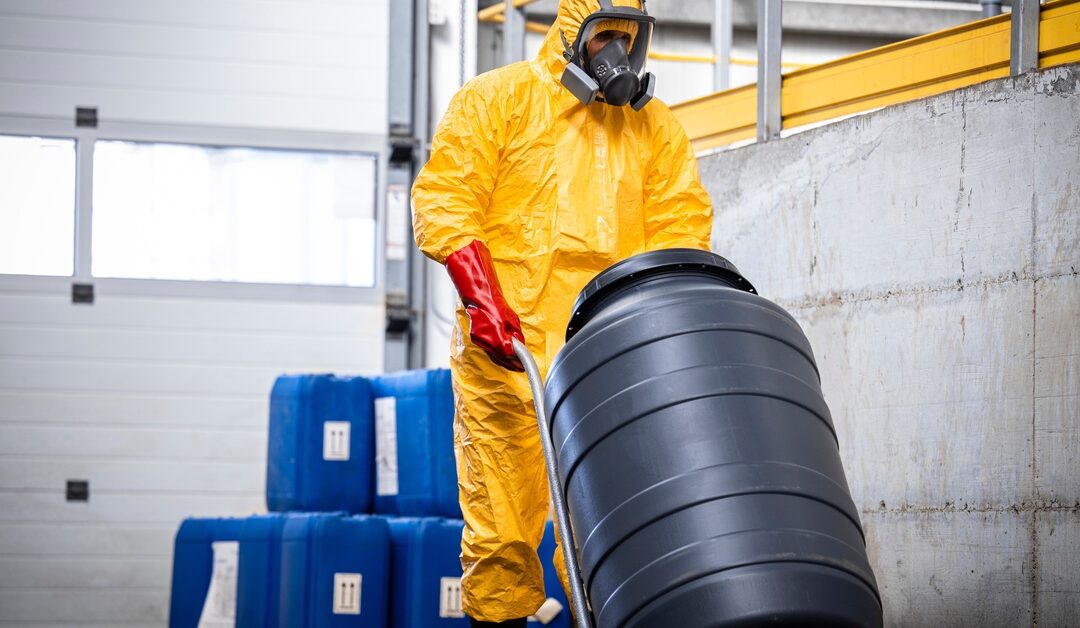
Industrial processes rely heavily on solvents. From automotive manufacturing to printing and pharmaceuticals, these chemical substances clean, dissolve, and suspend materials essential to production. However, once these solvents fulfill their purpose, they become hazardous waste. Managing this byproduct isn’t just a regulatory hurdle; it represents a significant operational challenge.
Companies generally face a critical decision regarding what to do with this waste. They can send it to be burned or recover it for reuse. While responsible disposal is mandatory to protect human health and the environment, the method a business chooses affects its bottom line, carbon footprint, and long-term sustainability.
Historically, disposal often meant shipping waste off-site for incineration. This method eliminates the material but creates a cycle of constant purchasing and disposal. On the other hand, recycling technology allows facilities to reclaim pure solvent from their waste stream, turning a liability back into an asset. Understanding the mechanics, benefits, and drawbacks of incineration versus recycling helps facility managers make informed decisions that align with both their financial goals and environmental responsibilities. Continue reading to decide if solvent waste incineration or recycling is best for your company.
Solvent Waste Incineration
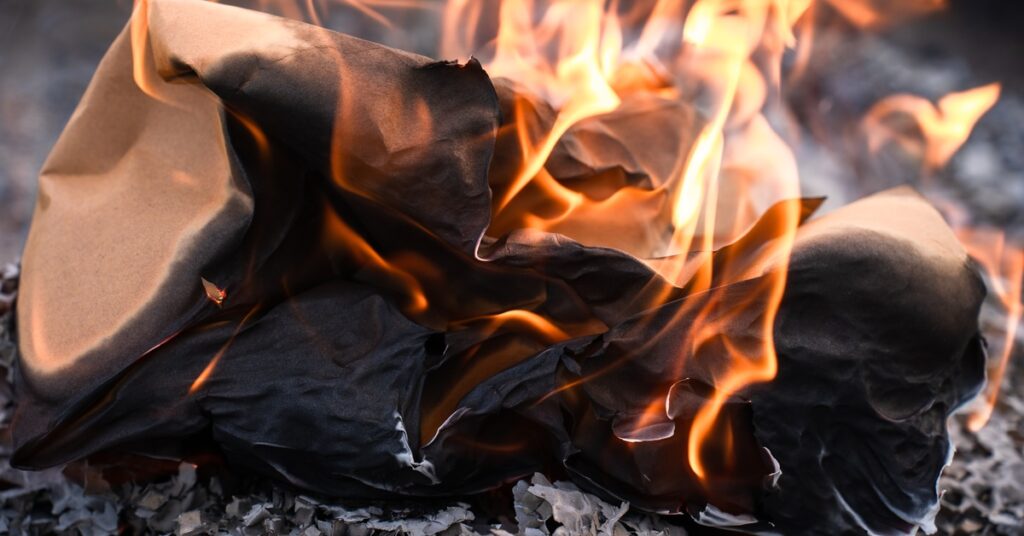
Incineration serves as a traditional method for handling hazardous materials. In this process, specialized facilities burn solvent waste at extremely high temperatures. The intense heat breaks down the chemical bonds of the dangerous substances, effectively destroying the organic compounds.
For many years, industries viewed incineration as the most straightforward solution. It offers a distinct advantage in volume reduction. By burning waste, facility operators significantly reduce the physical volume of material that requires final landfill disposal. Additionally, some modern incineration plants utilize waste-to-energy technologies. These facilities capture the heat generated during the combustion process and convert it into electricity or steam, which can power the plant or feed back into the grid. This energy recovery aspect adds a layer of utility to an otherwise destructive process.
However, incineration comes with substantial downsides. The most pressing concern involves air pollution. While regulations require scrubbers and filters, the process still releases carbon dioxide, nitrogen oxides, and other particulate matter into the atmosphere. These emissions contribute to the accumulation of greenhouse gases and to local air quality issues. Furthermore, incineration is an expensive, linear cost model. A company must pay to transport hazardous waste to the incineration site, pay a fee for the incineration service itself, and then pay full market price to purchase new virgin solvent to replace what was lost. This cycle creates a permanent drain on operating budgets.
Solvent Waste Recycling
Recycling represents a circular approach to waste management. Instead of destroying the spent solvent, this method separates the useful liquid from the contaminants. The primary mechanism for this is distillation.
During distillation, a machine heats the waste mixture to the solvent’s specific boiling point. The pure solvent vaporizes, leaving the heavier contaminants at the bottom of the tank. The system then condenses the clean vapor back into liquid form. Filtration systems often accompany distillation to remove even finer particulates.
The financial benefits of this approach are often immediate. By recovering most of their waste solvent, companies drastically reduce their need to purchase new virgin material. If a facility buys 100 gallons of acetone a month, recycling might drop that requirement to only five gallons of makeup solvent. This reduction yields significant cost savings over a fiscal year. Environmentally, recycling lowers the demand for new chemical manufacturing, which is an energy-intensive industry. It also eliminates the emissions associated with transporting hazardous waste to off-site disposal facilities.
Nevertheless, recycling has limitations. It requires an upfront capital investment in equipment. Additionally, some solvent mixtures are too complex or have boiling points that are too close together for standard distillation to separate effectively. In rare cases, if not managed correctly, cross-contamination can occur, rendering the recycled product less effective for high-precision applications.
The Model SW55 Solvent Recycler
For businesses looking to transition from disposal to recovery, the Model SW55 stands out as a premier solution. This unit is specifically for industrial environments that generate significant volumes of waste, offering a capacity of up to 55 gallons per batch.
Safety remains the paramount concern when handling flammable liquids, and the SW55 addresses this with a robust, closed-loop design. It features a stainless steel cabinet and tank, an insulated lid, and redundant safety systems. These systems include automatic heater shutdowns that trigger if pressure or temperature levels exceed safe limits.
Operators appreciate the SW55 for its simplicity. The machine features an automatic feed that pumps contaminated solvent directly into the unit, eliminating the need for manual pouring and reducing spill risk. A vacuum assist function lowers the boiling temperature of the solvent. This function is critical for safety and efficiency, as it allows the machine to recover solvents with high boiling points without subjecting them to excessive heat that could degrade the chemical.
The design team behind the SW55 prioritized ease of use. The distillation tank sits at a convenient work height, and the tilt-back lid allows for quick access. Cleaning the tank becomes simple with the use of disposable high-temperature bags. The residue stays in the bag, which the operator simply removes and disposes of, leaving the tapered stainless steel tank clean.
Despite its 55-gallon capacity, the unit features a space-optimized footprint. This optimization allows it to fit into tighter industrial spaces where floor area is at a premium. The system also includes an automatic timer shutdown, allowing staff to start a cycle and walk away to perform other tasks. Once the process finishes, the clean solvent can gravity feed directly into a standard 55-gallon drum, making it immediately available for reuse.
Head-to-Head Comparison
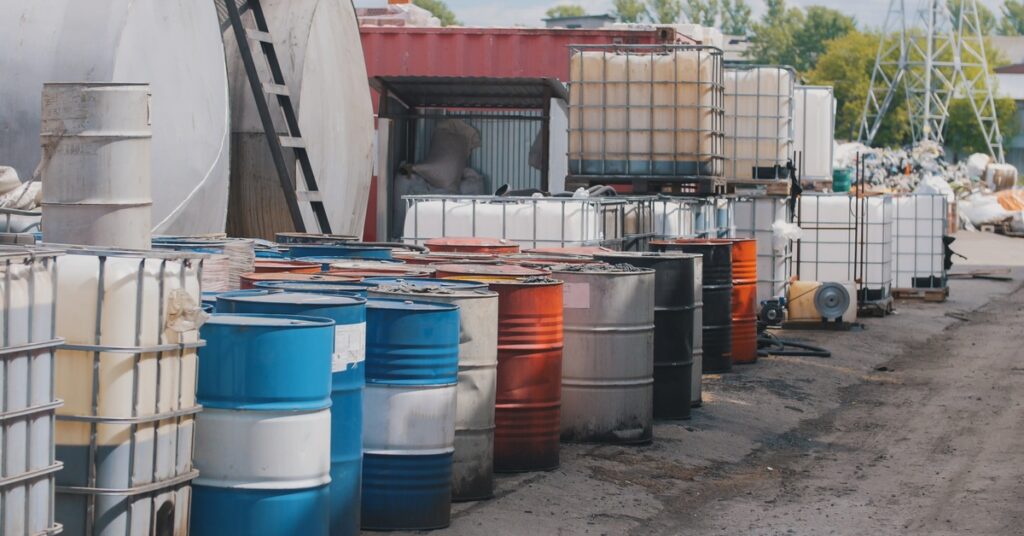
When weighing incineration against on-site recycling with a unit like the SW55, distinct differences emerge across cost, environmental impact, and operational efficiency.
Cost Structure
Incineration guarantees a perpetual expense. You pay for removal, liability insurance for transport, and the constant replacement of inventory. Recycling involves a one-time equipment purchase followed by minimal operational costs (electricity and liners). The return on investment typically occurs within months as solvent purchases drop precipitously.
Environmental Footprint
Incineration contributes to carbon emissions through both the burning process and the transportation trucks hauling waste. It also necessitates the carbon-heavy production of new chemicals. Recycling keeps the material on-site, eliminating transport emissions. It creates a closed loop that drastically lowers the facility’s overall carbon footprint.
Liability
When a company ships hazardous waste off-site for incineration, it retains “cradle-to-grave” liability for that material. If the transport truck spills or the incineration facility faces regulatory action, the originating company often shares legal and financial responsibility. On-site recycling keeps the material within the facility’s control, significantly reducing this cradle-to-grave liability exposure.
Resource Efficiency
Incineration destroys a valuable resource to generate a small amount of energy. Recycling preserves the resource, allowing it to perform its intended function multiple times. A thinner recycling machine can reclaim the same gallon of solvent for months, maximizing the utility of the original purchase.
Why Recycling Wins for Modern Industry
The comparison highlights a clear trajectory for modern industrial management. While incineration served a purpose when technology was less accessible, on-site recovery now offers a superior path.
Supply chain resilience has become a major priority. Relying on external suppliers for virgin solvent leaves a manufacturer vulnerable to price spikes and shortages. By maintaining an internal reservoir of recyclable solvent, a business insulates itself from market volatility.
Taking Control of Your Waste Stream
Deciding if solvent waste incineration or recycling is right for your company is a strategic move to enhance operational efficiency and build supply chain resilience. By taking control of your waste stream, you reduce costs, mitigate risks, and contribute to a more sustainable future. Make the shift today and experience the long-term benefits of smarter solvent management.