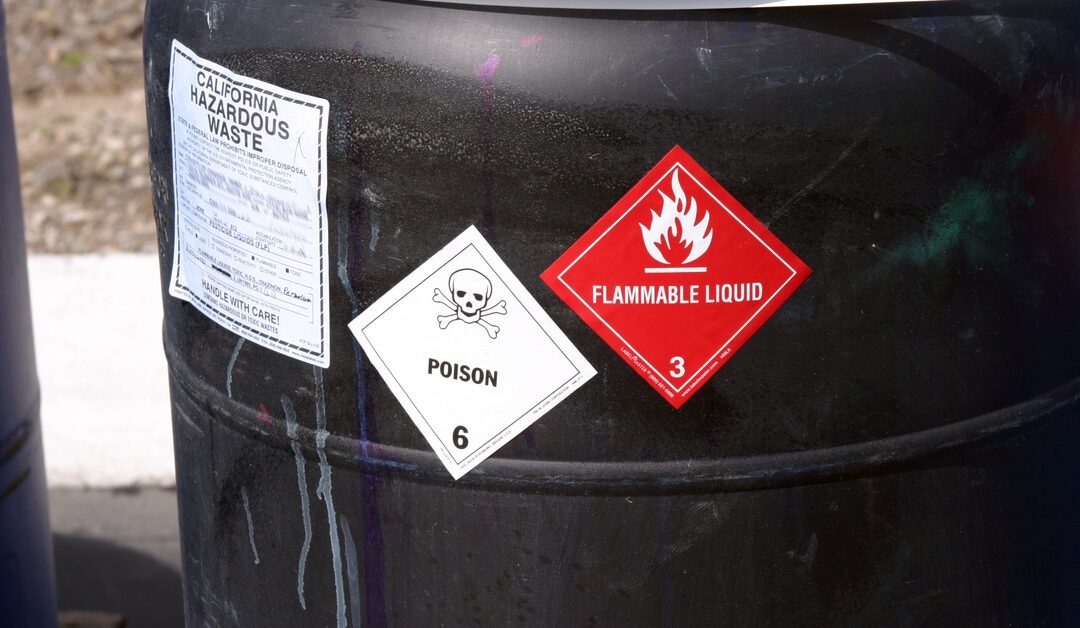
Industrial facilities across manufacturing, pharmaceuticals, and electronics generate millions of gallons of contaminated solvents annually. Rather than disposing of these valuable chemicals as hazardous waste, companies increasingly turn to distillation technology to reclaim and reuse their solvents. This process transforms what was once considered waste into a useful resource, delivering significant cost savings while reducing environmental impact.
Distillation plays an important role in solvent recovery. The technology separates contaminated solvents from impurities by exploiting differences in boiling points, allowing facilities to recover high-purity solvents suitable for reuse in production processes. Companies that implement distillation-based recovery programs typically see improved solvent recovery rates, translating to substantial reductions in both purchasing costs and disposal fees.
The financial incentive drives much of the interest in solvent recovery. A single 55-gallon drum of high-grade solvent can be costly, depending on the chemical type and purity requirements. When facilities multiply this cost across hundreds or thousands of drums annually, the expense becomes staggering. Distillation technology enables companies to recover the majority of their solvent investment while dramatically reducing hazardous-waste disposal costs, which often exceed $200 per drum.
Understanding the Distillation Process
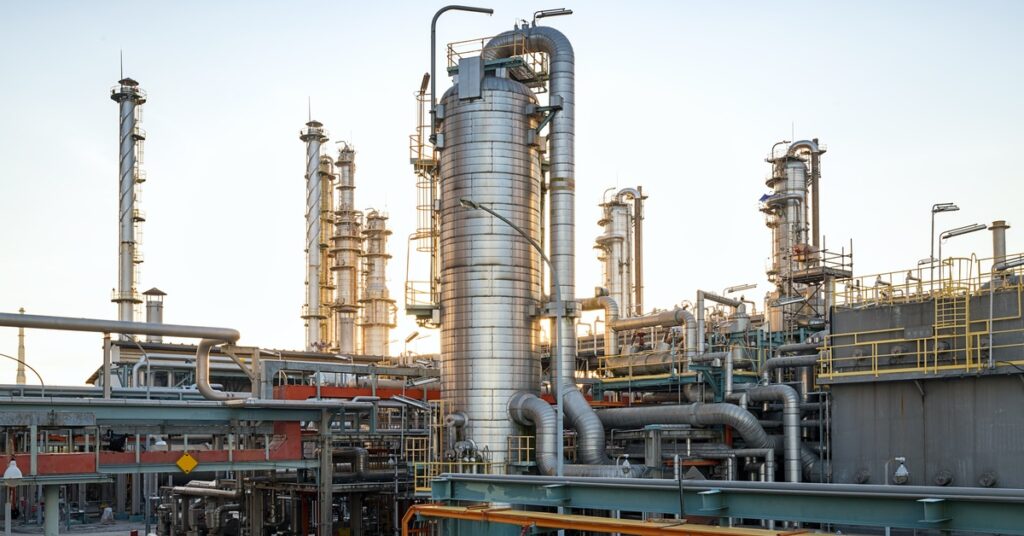
Distillation works on a fundamental principle of chemistry: different substances boil at various temperatures. When contaminated solvent heats up in a distillation unit, the clean solvent vaporizes first, leaving behind impurities such as oils, resins, pigments, and other contaminants. The vapor rises through the distillation column, where it cools and condenses back into liquid form, producing recovered solvent that meets or exceeds the original purity specifications.
The process begins when contaminated solvent enters the distillation vessel or still pot. Heat sources, typically electric elements or steam coils, gradually raise the temperature until the solvent reaches its boiling point. As vapors rise, they encounter cooler surfaces in the condenser section, where they condense back into liquid. This recovered condensation flows into collection tanks, while the concentrated waste remains in the still pot for proper disposal.
Temperature control plays a critical role in successful distillation operations. Operators must maintain precise heating rates to prevent thermal degradation of sensitive solvents while maximizing recovery efficiency. Advanced distillation units feature programmable temperature controllers and automated systems that optimize recovery rates while protecting valuable solvents from heat damage.
Cost-Saving Benefits Drive Adoption
Companies implementing distillation technology report impressive financial returns on their investments. A mid-size manufacturing facility using 500 gallons of solvent monthly can save significant money through in-house recovery operations. These savings compound over time, as recovered solvents retain their effectiveness for multiple reuse cycles before requiring replacement with fresh solvent.
The economics become even more compelling when factoring in disposal cost avoidance. Hazardous waste disposal rates continue climbing due to stricter regulations and limited treatment facility capacity. Companies that previously paid substantial fees to dispose of contaminated solvents now generate revenue streams by recovering valuable chemicals from their waste streams.
Labor costs also decrease with automated distillation systems. Modern solvent recovery systems operate with minimal supervision, allowing technical staff to focus on core production activities rather than waste management logistics. The automated nature of these systems reduces handling requirements and minimizes exposure risks for workers.
Environmental Advantages Create Value
Beyond financial benefits, distillation technology delivers significant environmental advantages that align with corporate sustainability goals. Recovered solvents perform identically to virgin materials in most applications, reducing demand for newly manufactured chemicals. This reduction in raw material consumption decreases the environmental footprint associated with chemical production, transportation, and packaging.
Reducing waste volume represents another major environmental benefit. Companies typically experience major reductions in hazardous waste generation when implementing comprehensive solvent recovery programs. This dramatic decrease reduces transportation-related emissions from waste hauling while minimizing the burden on treatment and disposal facilities.
Water consumption also decreases in facilities using distillation technology. Many cleaning operations require significant water volumes when using single-use solvents, but recovered solvents maintain their cleaning effectiveness through multiple cycles, reducing overall resource consumption.
Purity Standards Meet Production Requirements
Modern distillation technology produces recovered solvents that meet or exceed original purity specifications. Gas chromatography testing confirms that properly distilled solvents achieve high purity levels, making them suitable for critical applications including electronics manufacturing, pharmaceutical production, and precision cleaning operations.
Quality control measures built into advanced solvent recovery systems monitor key parameters throughout the distillation process. Automatic temperature-sensing, vapor-monitoring, and contamination-detection systems protect against off-specification recovery batches. These safeguards give production managers confidence that recovered solvents will perform consistently in their applications.
The purity advantage extends beyond simple contamination removal. Distillation effectively removes degradation byproducts that accumulate during solvent use, restoring the chemical to near-original condition. This restoration capability allows companies to extend solvent lifecycles far beyond what traditional cleaning methods achieve.
Distillation Methods Suit Different Applications
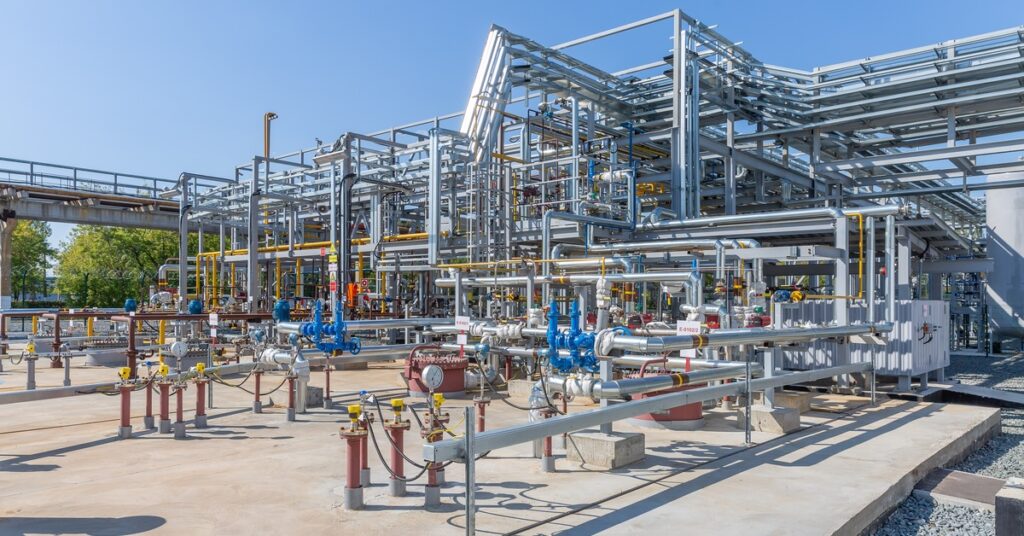
Simple distillation is effective for applications involving contaminated solvents containing high-boiling-point impurities. This straightforward approach heats the contaminated solvent mixture until the desired component vaporizes, leaving contaminants behind. Simple distillation is suitable for most cleaning solvent recovery applications with moderate purity requirements.
Fractional distillation provides enhanced separation capability for complex solvent mixtures. This method uses packed columns or trays to achieve multiple theoretical separation stages within a single unit. Fractional distillation excels when recovering solvents from mixtures containing multiple volatile components or when a process requires extremely high purity levels.
Vacuum distillation operates at reduced pressures, allowing solvents to boil at lower temperatures. This approach protects temperature-sensitive solvents from thermal degradation while enabling recovery of high-boiling-point materials. Pharmaceutical and specialty chemical applications often require vacuum distillation to maintain product integrity.
Short-path distillation offers rapid processing for heat-sensitive materials. This technique minimizes residence time at elevated temperatures, preventing decomposition of delicate solvents. Electronics manufacturing facilities frequently employ short-path distillation for recovering specialized cleaning solvents.
Addressing Implementation Challenges
Equipment selection presents the first major challenge for companies considering distillation technology. Different solvent types, contamination levels, and throughput requirements demand specific equipment configurations. Working with experienced equipment manufacturers helps facilities select appropriate solvent recovery systems that match their operational needs and budget constraints.
Safety considerations require careful attention during system design and operation. Solvent vapors present fire and explosion hazards that demand proper ventilation, electrical classification, and emergency shutdown systems. Professional installation and comprehensive operator training minimize risks while maximizing system performance.
Energy consumption can impact operating costs, particularly for high-throughput applications. Modern distillation units incorporate energy-efficient heating elements, insulation systems, and heat-recovery features to minimize utility costs. Proper system sizing and operation optimization further reduce energy requirements.
Maintenance requirements vary depending on the solvent type and contamination level. Some applications generate minimal residue buildup, while others require frequent cleaning cycles. Designing maintenance schedules based on actual operating conditions helps maximize equipment availability while controlling service costs.
The Future of Industrial Solvent Recovery
Distillation technology continues evolving to meet changing industrial needs. Advanced process controls, improved energy efficiency, and enhanced automation features make modern systems more attractive than ever. Companies that adopt these technologies position themselves for long-term cost advantages while meeting increasingly stringent environmental regulations.
The integration of distillation with other separation technologies creates new possibilities for solvent recovery. Hybrid systems combining distillation, filtration, and adsorption technologies can address challenging contamination scenarios that single-technology approaches cannot.
As manufacturing processes become more sophisticated and environmental regulations tighten, distillation-based solvent recovery will play an increasingly important role in industrial operations. Companies that embrace these technologies now will gain a competitive advantage through reduced operating costs, improved environmental performance, and greater operational flexibility.