Manufacturing operations in cabinetry, marine fabrication, and commercial coatings all generate high volumes of solvent waste during regular production cycles. Recovery technology must evolve to match output without slowing operations or triggering compliance issues.
Membrane filtration systems now offer facilities a method to extract usable solvent while reducing the amount of hazardous material that requires off-site hauling. Operators who manage three or more drums of spent solvent monthly can often recover value within the first year after switching to in-house solutions. The role membrane technology plays in solvent recycling gives manufacturers a clear path forward without increasing production risk, as recovery becomes a financial and environmental priority.
Separate and Concentrate Solvents
Membrane systems filter spent solvent mixtures through a pressure-driven process that separates reusable solvent from solid and chemical contaminants. During each stage, the membrane allows smaller solvent molecules to pass through while rejecting polymers, solids, and paint residues. Membrane-driven separation at the molecular level leaves behind a concentrated waste stream and produces clean, filtered solvent suitable for reuse in production.
One of the main roles of membrane technology in solvent recycling is to enable continuous operation without relying on heat-based systems that degrade solvent quality. Many solvent-heavy applications in composite and railcar refinishing facilities benefit from low-heat, closed-loop recycling. Heat removal helps plant managers avoid fire risk, reduce energy consumption, and maintain solvent consistency across batches.
Membrane systems also require minimal operator intervention once installed. Without moving parts or active heating elements, the system remains stable and reliable under standard operating conditions. Plants that process epoxy, lacquer, or polyurethane coatings find consistent membrane performance across diverse chemistries.
Unlike thermal distillation setups, membrane equipment fits into smaller spaces without special ventilation or high-temperature materials. A smaller system footprint allows paint shops, cabinet manufacturers, and marine production lines to reclaim solvent without modifying their building’s layout. As a result, operators maintain productivity while reducing hazardous waste volume on-site.
Supports Compliance and Sustainability
Hazardous solvent disposal triggers both environmental reporting obligations and third-party waste handling fees. Membrane recovery systems intercept waste before it enters the disposal stream, shrinking total hazardous output per shift. That reduction helps facility managers remain within regulatory thresholds and avoid additional EPA documentation or audits.
Sustainability targets across multiple industries increasingly focus on waste minimization and material reuse. Another major role of membrane technology in solvent recycling is to reduce reliance on virgin solvents by capturing clean output before waste reaches the drum. Recovered solvents return directly to paint booths or blending stations, minimizing material demand without sacrificing performance in sectors like composite manufacturing and railcar refurbishment.
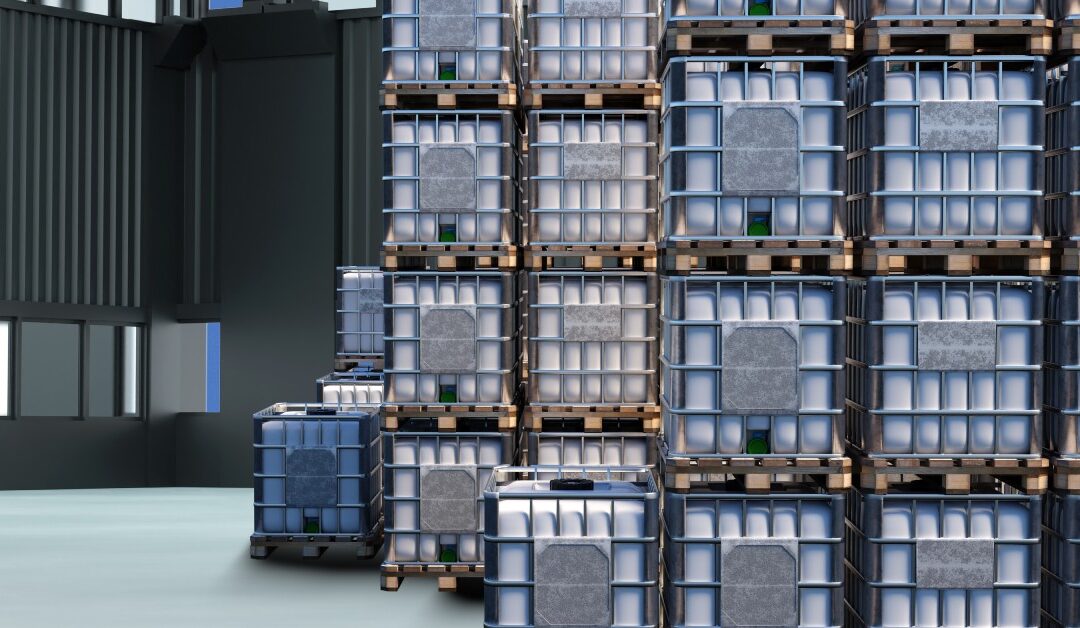
Each drum eliminated from the hazardous waste stream also reduces employee exposure risk during handling and storage. With fewer pickups, employees no longer stack drums near workstations or maneuver full barrels across shop floors. Operational changes improve safety while streamlining shop layouts.
Long-term use of membrane systems also supports ISO and ESG benchmarks related to environmental performance. Clients with government contracts or public accountability requirements benefit from in-house data showing solvent recovery rates. When paired with proper labeling and tracking, that information strengthens compliance profiles during third-party reviews or renewals.
Comparing Membrane Recovery to Distillation-Based Systems
Membrane recovery operates without combustion, boiling, or high-pressure heating, making it fundamentally different from traditional solvent distillation. Energy input drives vaporization and condensation in thermal systems, which demands high wattage and complex controls. Membrane systems separate liquids through pore size and differential pressure alone.
Facilities working in temperature-sensitive environments, such as boat manufacturers or adhesive applicators, benefit from the absence of heat-based components. Without heat buildup, plant managers avoid secondary cooling units, fire-rated enclosures, and excessive ventilation requirements. In many cases, the lack of heat buildup allows managers to install systems adjacent to paint areas without additional engineering approvals.
Distillation systems rely on pumps, heaters, and valves that degrade over time. By contrast, membrane setups operate with no moving parts, lowering maintenance cycles and downtime. Filters require periodic replacement, but most units run for months between scheduled service without a technician on-site.
Solvent Waste Management provides facilities with solvent recovery systems that support safer, cleaner recycling through membrane technology. Our equipment removes fire risk, simplifies installation, and reduces energy demand while delivering high recovery rates across common industrial solvents. Our Made-in-Texas systems provide a dependable solution built for long-term value for operations prioritizing safety, simplicity, and savings.
Cost-Saving Potential for Medium-Volume Operations

Manufacturers producing three or more drums of spent solvent per month typically reach payback on their investment in less than twelve months. The numbers speak for themselves when you compare landfill disposal fees, transportation costs, and downtime. Membrane systems eliminate recurring expenses tied to hazardous waste handling contracts.
On-site solvent recovery also reduces raw material purchases. Many operators reuse recovered solvent in the same application without reprocessing or dilution, maintaining performance while reducing ordering cycles. Lower material costs create budget flexibility for production expansion or upstream material upgrades.
Unlike distillation equipment, membrane systems require no major utility upgrades or additional insurance coverage. By avoiding heated surfaces, plants skip fire code permitting and combustion-related insurance surcharges. Upgraded savings show up in operational costs and in reduced administrative workload and inspection overhead.
Each month without drum pickup prevents potential fines for mislabeling, overflow, or failed storage inspections. Operators working with flammable materials or regulated resins often carry higher risk profiles for small safety errors. Membrane filtration lowers exposure across the board by removing full drums from circulation before they become a liability.
Operational Simplicity and Long-Term Performance Gains
Membrane systems function without pumps, heating coils, or automated discharge valves, eliminating most failure points found in traditional solvent recovery equipment. Solvent-heavy manufacturing plants often run recovery cycles alongside production, which demands stable equipment with minimal intervention. Technicians monitor flow rates and change filters only after extended cycles, often spanning multiple months of continuous use.
Facilities processing acetone, MEK, or xylene typically avoid clogs, burnouts, or shutdowns due to the system’s non-reactive design. Unlike distillation units that require thermal regulation and cooling infrastructure, membrane setups operate at ambient temperature without ducting or reinforced enclosures. Paint facilities and composite fabricators often install units directly beside spray booths or clean rooms, avoiding facility-wide retrofits.
Solvent filtration occurs in sealed loops that protect recovered liquid from contamination while separating out solids, resins, and pigments. Internal membranes maintain consistent throughput across hundreds of cycles without shifting output quality or requiring recalibration. As a result, operators receive uniform solvent performance without re-blending or dilution.
Operations that consume three to five drums of solvent monthly often retain uninterrupted performance after five years of use. Its lifespan routinely exceeds projections and gives environmental safety managers high confidence in year-over-year performance metrics with the right equipment.
Membrane technology gives solvent-intensive industries a powerful tool to recover material, cut costs, and streamline compliance. Operations of all sizes benefit from safer shop floors, lower disposal volumes, and faster ROI.
Long-term system durability and Made-in-the-USA reliability make membrane systems a smart choice for manufacturers who demand results. Contact Solvent Waste Management to explore recovery systems that fit your volume, workflow, and budget.