
Manufacturers in cabinetry, boat building, composite fabrication, and large-scale painting rely on solvent purity to protect product quality and operational efficiency. Purity directly influences material adhesion, surface appearance, chemical reactions, and environmental compliance across production lines.
Solvent management is a major element of a manufacturer’s success. Failing to maintain strict solvent standards leads to higher costs, more waste, and greater regulatory risk.
Understanding Solvent Purity in Manufacturing
Solvent purity defines the concentration of the intended chemical compound without contamination or degradation affecting performance. Industries depending on chemical consistency, such as composite manufacturers and railcar refurbishers, prioritize solvent standards to deliver reliable results. Understanding what solvent purity is and why it matters sets apart operations that achieve long-term profitability from those constantly battling quality failures.
Maintaining solvent integrity stabilizes material bonding, enhances finish uniformity, and supports predictable chemical behavior during manufacturing. Even slight contaminations compromise adhesive bonds, weaken coatings, and cause expensive rework, ultimately threatening delivery schedules and customer satisfaction. Solvent purity acts as a foundation for durable, high-value products across a wide range of industrial applications.
Manufacturers commonly choose solvent grades based on purity thresholds aligned with their material demands. High-purity solvents drive flawless finishes in cabinetry and composites, while technical-grade solvents sometimes fit industrial cleaning operations where exact chemical behavior is less important. The correct purity grade eliminates unnecessary waste and maximizes operational efficiency across every production shift.
How Solvent Purity Is Measured and Classified
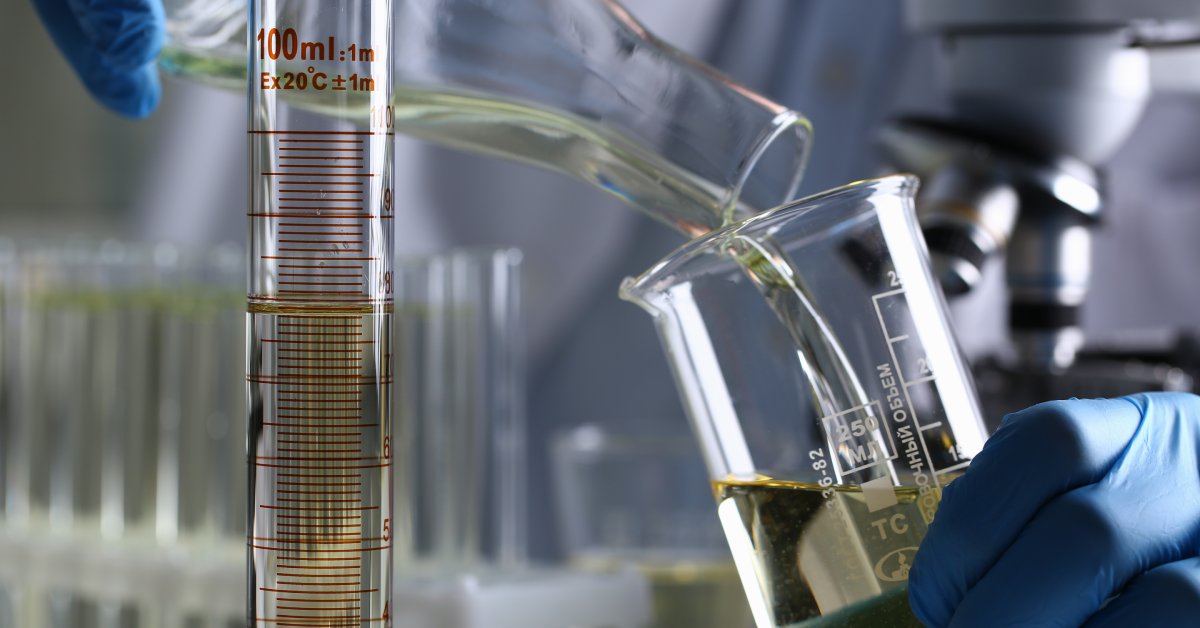
Precise measurement of solvent purity follows strict industry standards such as the classifications set by the American Society for Testing and Materials (ASTM), gas chromatography, and validated distillation tests. Analytical testing confirms whether solvent batches meet specifications, allowing manufacturers to avoid costly quality deviations before production even begins. Verified measurements strengthen a company’s ability to maintain production control at every stage.
Solvents receive classifications including reagent grade, technical grade, spec grade, or industrial grade based on allowable impurity levels. The highest purity options just under 100 percent, while technical grades tolerate minor contaminations for less sensitive applications. Knowing the classification structure empowers manufacturers to align purchasing decisions with operational needs, protecting quality and controlling costs.
Real-world examples demonstrate how purity gaps can cripple industrial performance. Composite fabricators require high solvent purity to maintain chemical consistency during lamination processes, while cabinetry manufacturers still demand tight control to achieve flawless finishes. Validated classifications and testing protocols prevent costly surprises downstream in manufacturing operations.
The Role of Solvent Purity in Product Quality and Cost Control
Pure solvents preserve surface tension, evaporation rates, and bonding integrity essential for reliable coatings and structural adhesion. Adhesives, resins, and specialty coatings require chemical predictability to maintain manufacturing efficiency and final product performance. Without proper solvent purity management, manufacturing outcomes become inconsistent, driving costs higher and lowering customer satisfaction.
Cabinetry, composite, and industrial painting sectors demand precision to meet performance specifications. Solvent impurities often cause issues such as bubbling, peeling, or weak substrate bonds, leading to rework costs and potential warranty claims. Fully understanding what solvent purity is and why it matters gives manufacturers foresight to protect operations against expensive disruptions.
Operational waste climbs rapidly when solvent quality deteriorates. Impure solvents trigger higher scrap rates, increased material usage, and lower production throughput, all of which erode profitability. Investing in high-quality solvents and maintaining purity standards enhances production flow and secures more predictable financial results over time.
Risks and Consequences of Using Impure Solvents
Impure solvents introduce serious vulnerabilities into manufacturing environments by destabilizing chemical reactions and compromising structural integrity. Poor adhesion, defective finishes, and unpredictable material performance typically caused by inadequate solvent purity management. Avoiding these risks demands proactive attention to solvent sourcing, testing, and handling procedures.
Industries like railcar refurbishment offer clear examples of impurity risks on a grand scale. Solvent contamination can lead to catastrophic coating failures, unexpected corrosion, or compromised bonding strength. Manufacturers who ignore solvent purity expose themselves to avoidable and expensive consequences that ripple across multiple business areas.
Beyond product quality, impure solvents accelerate equipment degradation and hazardous waste accumulation. Unstable chemicals corrode sprayers, pumps, and seals, increasing downtime and inflating maintenance budgets. High hazardous waste output from impure solvents triggers stricter environmental compliance requirements and exposes operations to additional regulatory penalties.
Operational and Environmental Benefits of Maintaining Solvent Purity

Prioritizing solvent purity offers clear environmental and operational advantages for modern manufacturing success. Clean solvent streams reduce hazardous waste classifications. Operationally, purer solvents support smoother workflows, higher product yield rates, and lower total production expenses.
Manufacturers protecting solvent integrity enjoy longer equipment service lives across sprayers, application pumps, and processing lines. Reduced contamination buildup minimizes unplanned maintenance, extends component lifespans, and translates directly into stronger uptime percentages and lower repair budgets.
Working with professional solvent equipment companies also helps businesses stay ahead because the companies have high-quality tools. Solvent Waste Management offers reliable 30-gallon solvent cleaning machines that help operations remain pure with minimal intervention. Built without moving parts and manufactured domestically in Texas, our equipment supports cost-efficient solvent recovery and consistent solvent quality. Investing in proper recycling systems strengthens compliance programs, improves margins, and keeps solvent resources circulating within the production cycle efficiently.
Cost-Saving Advantages of Solvent Recovery Systems
Solvent recovery systems help manufacturers reuse valuable chemical resources without compromising product quality or operational safety. Effective recycling sharply reduces the need for new solvent purchases, cuts waste management costs, and minimizes exposure to hazardous waste handling regulations. Facilities utilizing three drums or more monthly realize rapid financial returns by implementing solvent recovery practices.
Manufacturing facilities processing three drums of solvent per month typically recover full equipment investment within a year based solely on reduced purchasing and disposal expenses. Solvent recovery adds additional long-term savings through lower hazardous waste generation and more stable production input costs. Building solvent reuse directly into production planning stabilizes operating budgets and improves forecasting accuracy for growing businesses.
Durable solvent recovery systems with low maintenance requirements further increase overall financial benefits. Extended system longevity reduces replacement cycles, allowing maintenance teams to focus on productive activities rather than equipment downtime. Manufacturers embracing solvent recovery optimize operational resilience, protect environmental standing, and improve profitability across their production networks.
Invest in Solvent Processing Today
Solvent purity directly influences manufacturing quality, operational reliability, environmental responsibility, and long-term profitability. Protecting purity standards strengthens manufacturing businesses across every performance metric. You can partner with Solvent Waste Management today to protect your solvent resources with high-quality solvent washing machines and more to reduce operational costs and strengthen your environmental compliance programs.