A solvent recovery unit can become so familiar a part of the workday that employees barely notice it running. Dirty solvent goes in, and useful liquid comes out. Meanwhile, cleaning crews move on to the next job. That dependable routine makes any change worth noticing.
A small drop in output might seem harmless during a busy shift. Over time, though, a struggling recycler can leave your team short on cleaning solvent or increase the amount of waste awaiting disposal. Knowing which warning signs signal that your solvent recovery system needs service will help you address problems before they disrupt production.
1. Recovery Cycles Take Longer
Most operators develop a feel for how long a typical batch takes. If the same solvent mixture suddenly needs much more time, something may have changed inside the unit. Residue buildup can interfere with heat transfer, while cooling problems can affect how efficiently vapor returns to liquid.
When solvent recycling systems slow down, compare the latest batch with earlier ones before assuming the equipment needs repair. Check whether workers changed the solvent mixture or filled the tank differently. If similar batches keep taking longer, record the cycle times and contact the equipment provider. A consistent slowdown gives a technician useful information without requiring employees to experiment with the controls.
2. Each Batch Produces Less Solvent
Lower recovery volume can catch a shop off guard. Employees load the usual amount of dirty solvent, but the collection container holds less reusable liquid afterward. Different contamination levels can explain part of that change, so one small batch doesn’t automatically signal a mechanical failure.
Pay attention when output keeps declining under comparable conditions. Incomplete distillation or trouble with the collection path may contribute to the difference. Track how much liquid enters the unit and how much comes back out. Those records can help a service technician separate normal process variation from a problem that needs attention.
3. Recovered Solvent Looks Unusual
Your team should know what usable solvent normally looks like after recovery. If liquid suddenly appears cloudy or carries visible residue, pause before returning it to cleaning stations. Poor-quality solvent can leave unwanted deposits on spray equipment and create more cleanup work.
An overfilled tank or excessive boiling can carry contaminants into the recovered liquid. Water in the incoming solvent may also affect the result. Review the batch contents and operating conditions rather than immediately blaming a failed component.
If quality remains inconsistent, ask a qualified technician to investigate. Don’t return questionable solvent to work that requires a known level of cleanliness.
4. Automatic Feeding Becomes Unreliable
An automatic feed feature helps busy shops transfer contaminated solvent to a recovery unit without constant manual refilling. On equipment such as the SW 55, that convenience can make a noticeable difference during frequent cleaning cycles. When feeding becomes erratic, operators may find themselves checking the unit more often than usual.
Watch for repeated interruptions or a tank that doesn’t receive solvent as expected. Confirm that the supply container has sufficient liquid and review accessible connections per the operating instructions. If the problem persists, arrange service rather than bypassing protective features. A reliable feed process helps the team maintain a predictable recovery schedule.
5. The Unit Won’t Start Normally
A machine that refuses to start sends a clearer warning than one that gradually slows down. The issue might involve an operating setting or a safety control rather than a major component. Either way, the crew needs to identify the reason before starting another batch.
Begin with the checks the manufacturer’s manual permits, including power availability and normal control settings. Note which indicator lights illuminate and whether the unit completes its usual startup sequence. If the machine repeatedly stops before completing a cycle, record that behavior as well. Leave electrical repairs and internal component work to qualified personnel who understand the equipment.
6. Safety Shutoffs Activate Repeatedly
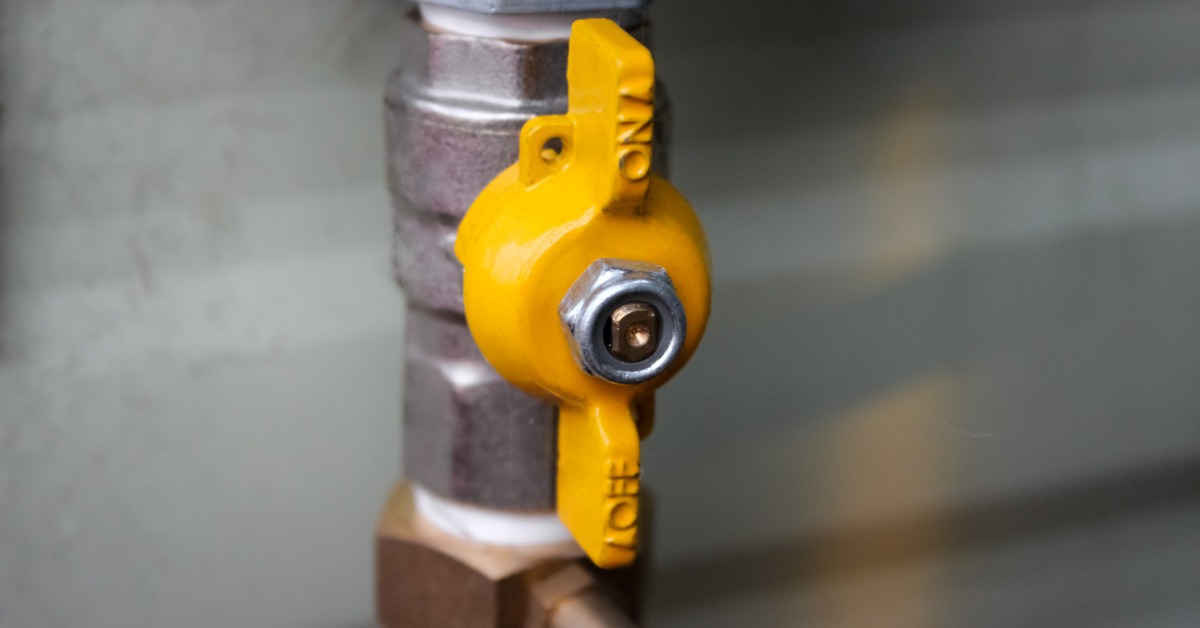
Some recovery machines monitor temperature and pressure to protect the equipment during distillation. The SW 55 includes automatic heater shutdown features for excessive readings. When a protective control interrupts operation, treat the interruption as a warning rather than an inconvenience.
Don’t keep resetting the machine in hopes that the next cycle will finish. Stop operation and follow the manufacturer’s shutdown procedure. Write down what happened before the trip, including any unusual change in production.
A technician can use that information to assess the problem. Repeated safety interruptions deserve prompt attention, even when the machine appears normal after a reset.
7. Condenser Performance Changes
Distillation depends on more than simply heating dirty solvent. The condenser must cool the vapor so the recovery system can collect liquid for reuse. If cooling performance changes, the unit may deliver less solvent or struggle to complete its normal cycle.
Operators should monitor changes in collection behavior and follow the manual’s permitted checks for the cooling system. A restriction or cooling supply problem may require professional attention. Never loosen hot connections or open pressurized components to investigate a suspected blockage. When cooling concerns accompany a safety shutdown, keep the unit out of service until qualified personnel identify the cause.
8. Residue Cleanup Becomes Difficult
Distillation leaves behind paint solids and other contaminants, so some residue belongs in the normal recovery process. Operators may notice a problem when a familiar solvent stream suddenly creates unusually stubborn deposits. Heavy buildup can slow routine cleaning and make the next cycle harder to prepare.
Review how much dirty material each batch contains and whether employees adhere to the standard loading limits. For SW 55 operators, disposable high-temperature bags and the tapered tank support help remove residue. Use these features according to the manufacturer’s procedures, and allow the equipment to reach a safe condition before cleaning. If buildup changes sharply without an obvious cause, request a service assessment.
9. Leaks or Strong Odors Appear
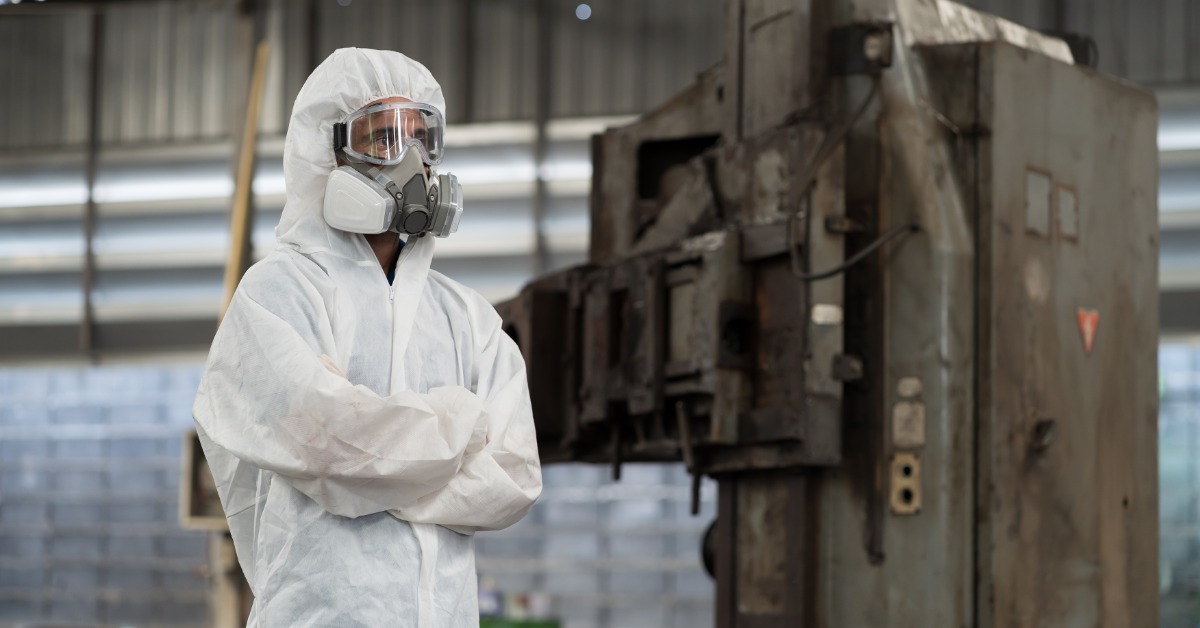
A recovery area shouldn’t develop new wet spots around connections or a sudden increase in solvent odor. Either change can signal a handling problem or trouble with the equipment’s closed-loop process. Don’t dismiss the warning simply because the recycler still produces usable liquid.
Stop operation when you suspect a leak or loss of containment. Keep employees away from the affected area and follow the facility’s spill response procedures. Trained personnel can evaluate ventilation and arrange professional service before anyone restarts the equipment. Prompt action protects the crew while preventing a minor equipment concern from turning into a larger interruption.
Keep Small Problems From Growing
Recognizing the signs your solvent recovery system needs service gives your team a head start on potential problems. When operators track normal cycle times and recovered volumes, they can spot unexpected changes before a shift runs short on reusable solvent. Clear operating records also make conversations with service technicians more productive.
Solvent Waste Management builds recovery equipment for industrial shops that want to reduce solvent purchases and disposal needs. If your unit shows persistent warning signs, contact the manufacturer or a qualified service provider. A timely inspection can help your facility return to dependable recovery and keep cleaning work on schedule.