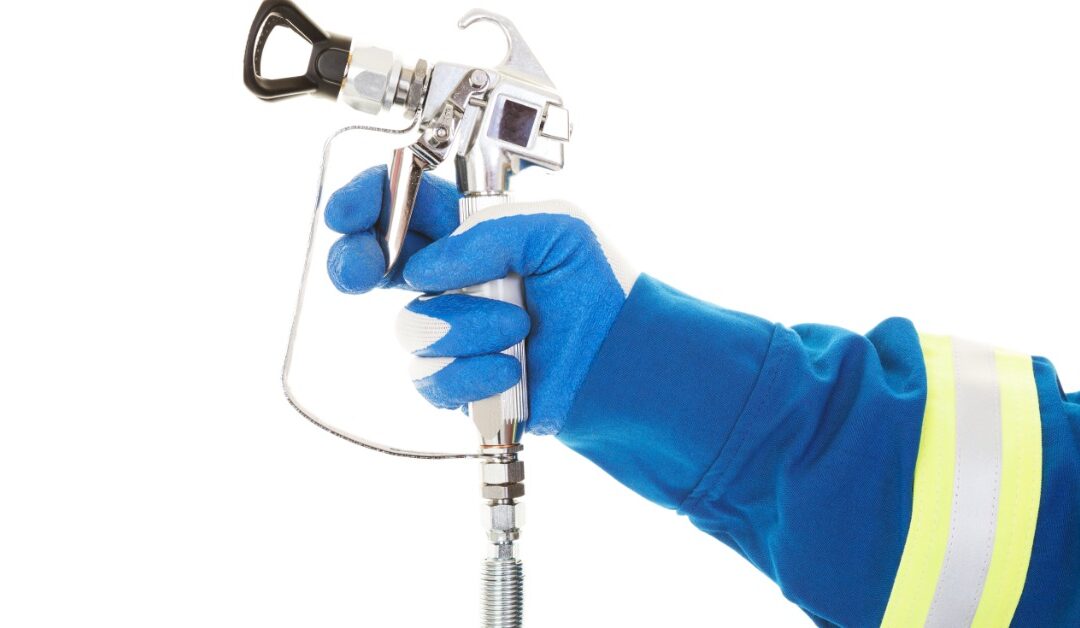
Continuous spray work moves fast. Whether a shop sprays coatings, cleans spray guns, flushes lines, or supports composite and finishing processes, acetone can run through the operation all day. That steady pace helps teams keep production moving, but it also creates a constant stream of dirty solvent that costs money to replace and manage.
Many facilities treat spent acetone like a routine expense. They buy fresh drums, use the solvent, collect the waste, and schedule disposal. Over time, that cycle drains the budget and adds more handling steps to an already busy workflow.
When a shop depends on acetone every shift, recycling can change the way the operation runs. Instead of treating solvent waste as the end of the line, teams can reclaim usable acetone and return it to the process. That shift supports better control, cleaner workflows, and less dependence on frequent solvent purchases. Continue reading to explore how to use acetone recycling for continuous spray operations.
Why Spray Operations Use So Much Acetone
Continuous spray operations often rely on acetone because it cleans fast and evaporates quickly. Teams use it to clean spray guns, remove resin or coating residue, flush hoses, wipe tools, and keep production equipment ready for the next run.
The challenge comes from volume. A small amount of waste from one cleaning task may not seem like much. A full day of spraying can create several rounds of contaminated solvent, especially when teams clean between colors, products, batches, or production stages.
Dirty acetone also loses performance as it collects solids, pigments, resins, oils, and overspray residue. Workers may use more solvent to get the same cleaning result. That habit increases waste and pushes the shop into a costly loop.
The Cost of the Standard Waste Cycle
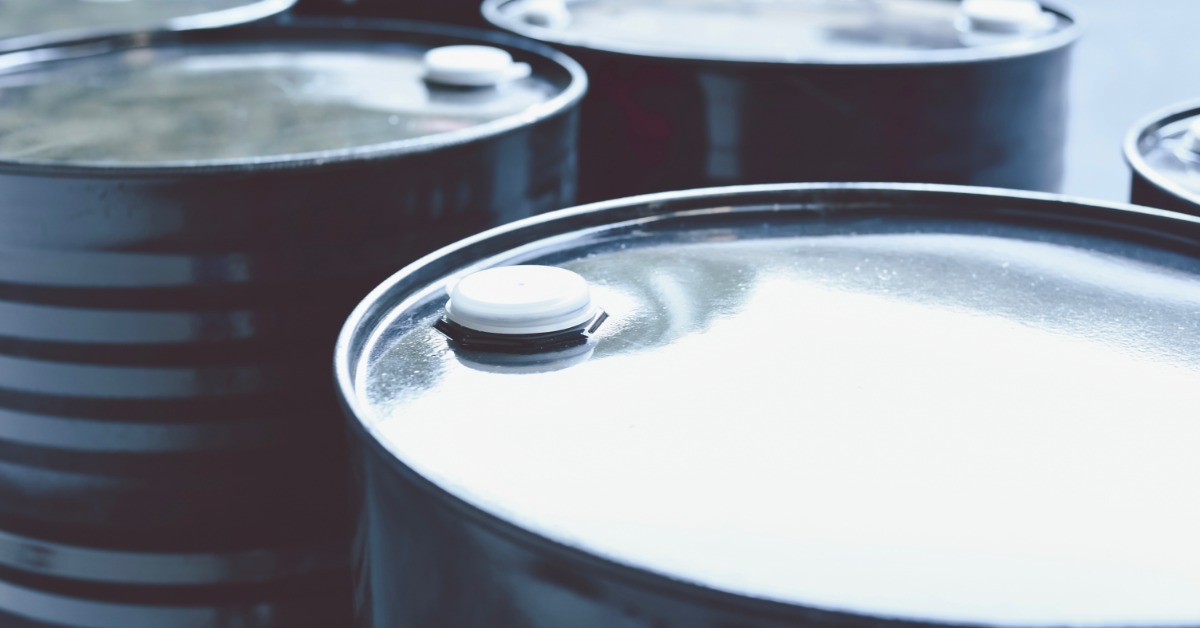
The traditional solvent cycle creates costs at several points. A facility pays for new acetone, stores it, moves it to the work area, uses it, collects the spent solvent, stores the waste, and pays for disposal. Each step takes labor, space, and attention.
Hazardous waste disposal can also create scheduling pressure. If a shop produces waste quickly, containers can fill before pickup. Full containers take up floor space and can slow housekeeping routines. Teams may also need to track waste levels closely so production doesn’t outpace storage capacity.
Fresh solvent purchasing adds another challenge. When suppliers change pricing or delivery schedules, the shop absorbs the disruption. A busy spray department needs acetone on hand, and a shortage can slow cleaning, changeovers, and maintenance.

How Acetone Recycling Works
Acetone recycling uses distillation to separate usable solvent from contaminants. The system heats the dirty acetone until the solvent vaporizes. The vapor then condenses back into liquid form, while paint solids, resins, and other contaminants remain behind.
A shop can then reuse the recovered acetone for many cleaning and process support tasks. The exact reuse depends on the operation, the contamination level, and the quality requirements for the task. In many spray environments, recovered acetone works well for gun cleaning, tool cleaning, equipment flushing, and similar uses.
An acetone recycler gives the facility more control over this process. Instead of shipping away solvent after one use, the team can reclaim a large portion on-site and reduce the amount of waste that leaves the building.
Why On-Site Recycling Fits Continuous Spray Work
Continuous spray operations benefit from a steady supply of solvent. When production runs day after day, the shop needs a reliable way to support cleaning and changeovers. On-site recycling helps ensure a reliable flow.
A recycling routine can align with the department’s rhythm. Workers can collect used acetone during the shift, process it through the recycler, and build a supply of recovered solvent for repeated cleaning tasks. That routine helps the operation avoid the constant drain of using fresh acetone for every cleanup.
The shop also gains better visibility into solvent use. Managers can see how much dirty solvent the process generates, how often teams need to run the recycler, and where the operation may use more acetone than necessary.
Cleaner Workflows for Spray Teams
Spray teams work best when the process feels predictable. Workers need clean tools, open lines, ready guns, and reliable cleaning solvent. A recycling setup can support that routine by keeping reusable acetone available near the point of need.
Cleaner workflows also help reduce clutter. When a shop reclaims solvent on-site, workers can reduce the number of waste containers that pile up between disposal pickups. Teams still need proper handling and storage practices, but they can lower the volume that moves into the waste stream.
Less waste handling can also reduce interruptions. Workers spend less time moving drums, waiting for replacement solvent, and dealing with full waste containers. That time can return to production, maintenance, and quality checks.
Better Control Over Operating Costs
Acetone recycling can help shops reduce two major expenses at once. They can buy less new solvent and send less hazardous waste for disposal. Those savings can add up quickly in a facility that runs continuous spray work.
The best fit often depends on solvent volume. A shop that uses a few drums per month may see a stronger payback than a shop that only uses small amounts. Continuous operations usually create enough demand to make recycling worth a close look.
Cost control also stems from consistency. When a facility reuses recovered acetone, it relies less on external factors such as market fluctuations, freight delays, and supplier lead times. That stability helps managers plan budgets and production schedules with greater confidence.
Less Waste From Daily Operations
Spray operations can generate a lot of solvent waste because cleaning and flushing never stop for long. Recycling helps reduce that waste by giving acetone more than one life within the facility.
This approach supports environmental goals without adding a complicated process. Teams still need to handle acetone safely and follow applicable rules, but they can reduce the amount of hazardous waste that requires outside disposal.
Recycling also reduces the need to manufacture, package, ship, and store as much new solvent. For companies that want greener operations, on-site recovery offers a practical step that connects directly to daily production.
What To Consider Before Adding a Recycler
Before a shop adds recycling equipment, managers should review how the spray operation uses acetone. They should look at monthly solvent purchases, waste disposal volume, cleaning routines, and the type of contamination in the spent solvent.
They should also consider where the recycler will fit in the workflow. The best setup supports daily use without creating a bottleneck. Workers need a clear process for collecting dirty acetone, running the unit, handling residue, and storing recovered solvent.
Maintenance needs also deserve attention. A practical recycler should support the shop without demanding constant service. Facilities often value equipment with simple operation, reliable performance, and strong support from a domestic manufacturer.
A Smarter Cycle for Busy Shops
Continuous spray operations don’t have room for slowdowns caused by solvent shortages, full waste containers, or inefficient cleanup routines. Acetone recycling for continuous spray operations gives shops a smarter way to manage a solvent they already use every day.
By reclaiming usable acetone on-site, facilities can lower purchasing needs, reduce hazardous waste volume, and keep spray teams supplied for routine cleaning tasks. The process turns a costly waste stream into a reusable resource.
For cabinetry shops, boat builders, composite manufacturers, paint operations, and other industrial facilities, that shift can support cleaner production and stronger cost control. When acetone plays a daily role in the workflow, recycling can help the entire operation run with less waste and more confidence.