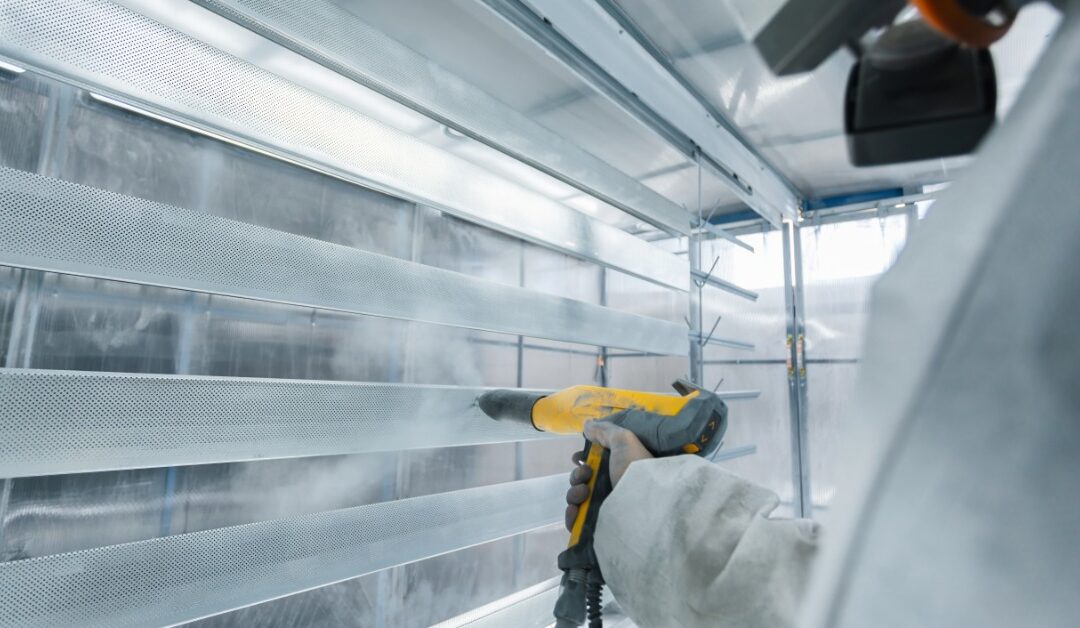
Large industrial spray lines can consume significant amounts of acetone during equipment cleaning and production changeovers. When teams rely on fresh solvent for every cleaning cycle, costs can rise alongside the volume of contaminated acetone leaving the facility. That pattern can place extra pressure on purchasing budgets and waste-handling routines.
Acetone recycling gives manufacturers another way to manage that flow. Instead of treating used acetone as a one-way expense, facilities can recover usable solvent on-site and return it to appropriate cleaning tasks. For industrial spray operations, that shift to acetone recycling can support a more controlled solvent management process.
Why Spray Lines Generate So Much Acetone Waste
Industrial spray systems require regular cleaning to prevent coatings from building up inside spray equipment and fluid-delivery components. Facilities may also flush equipment when switching products or preparing a line for downtime. Each cleaning cycle produces a stream of acetone mixed with paint residue or resin.
High production volume makes that waste stream grow quickly. A facility that operates several shifts may perform cleaning tasks throughout the day, so even a modest amount of solvent per cleaning cycle can add up. When teams discard every batch after one use, they also increase the amount of replacement acetone they need to purchase.
That approach creates two separate expenses. The plant pays for new solvent, then pays again to manage contaminated solvent as waste. Acetone recycling addresses both sides of that equation by keeping more usable solvent within the facility.
How On-Site Acetone Recycling Works
Solvent recovery equipment uses distillation to separate acetone from the contaminants collected during cleaning. The machine heats the used solvent until the acetone vaporizes. The system then condenses the vapor back into liquid, while heavier residue remains in the processing tank.
The recovered acetone can return to suitable cleaning applications instead of leaving the facility after one use. Operators still need to follow their established process requirements and determine where reclaimed solvent fits their quality standards. The key difference comes from extending the useful life of solvent that the plant already purchased.
A solvent cleaning machine can fit into this workflow by providing the facility with a dedicated way to process contaminated cleaning solvent on site. Rather than sending every drum out for disposal, the plant can reclaim solvent near the point of use and keep the recovery cycle integrated with daily operations.
Supporting High-Volume Production
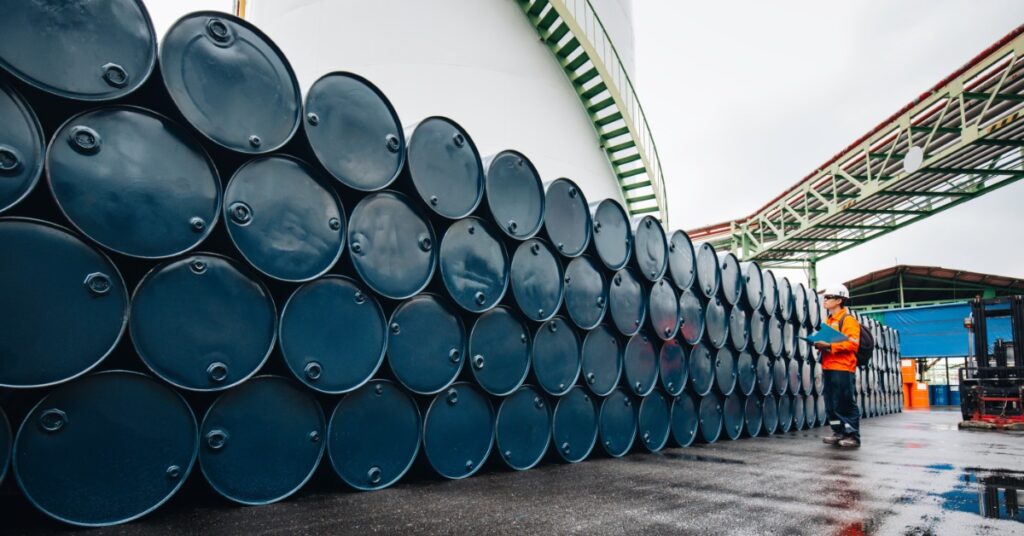
Large spray lines require equipment that matches their solvent use. A small recovery unit may work well for a low-volume shop, but a plant with frequent cleaning cycles needs sufficient capacity to prevent used solvent from piling up faster than the unit can process it.
Batch size plays an important role in that decision. Solvent Waste Management offers a 55-gallon system for facilities handling larger volumes of contaminated solvent. The unit processes up to 55 gallons per batch and uses vacuum assistance to lower the solvent’s boiling point during recovery.
Capacity alone doesn’t solve every workflow issue, though. Teams also need to look at how often they generate spent acetone and when operators have time to load the recycler. A recovery process works best when it fits the production schedule instead of competing with it.
Reducing New Acetone Purchases
Every gallon of recovered acetone creates an opportunity to reduce the amount of virgin solvent a facility purchases for appropriate cleaning work. The exact savings depend on solvent use and how much reclaimed acetone the operation can reuse.
For large spray lines, even partial reuse can shift purchasing patterns. A plant that once replaced its entire cleaning solvent volume with new acetone may start buying smaller quantities because recovered solvent meets part of the demand. That can make solvent purchasing less reactive and give managers better visibility into ongoing chemical costs.
The benefit increases when the plant keeps the recycling process consistent. Regular recovery prevents reusable acetone from sitting in waste containers while the facility continues to order fresh solvent. A steady routine helps the operation capture value from solvent it already owns.
Cutting Hazardous Waste Volume
Using acetone that contains coating residue can create a hazardous waste-handling burden. When a facility sends large volumes off-site, it must manage storage space and disposal scheduling. Those tasks can become more demanding as production increases.
On-site recovery reduces the amount of liquid solvent entering the waste stream because the plant separates reusable acetone from the concentrated residue. The facility still needs to manage the remaining waste properly, but the total liquid volume may decrease as more solvent is returned to use.
That change can also reduce how often the plant needs an outside disposal service. Fewer outbound drums can simplify waste area management and help teams avoid letting full containers accumulate around a busy spray operation.
Keeping the Process Practical
Industrial teams rarely need another complicated process on the floor. Recovery equipment must support production without creating a heavy maintenance burden or demanding constant operator attention.
Solvent Waste Management equips its 55-gallon system with automated feed capability and a timed shutdown function. It also uses disposable high-temperature bags to support tank cleanup. These features help operators move solvent through the recovery cycle with less hands-on work.
The system also includes safety controls that shut down heating when temperature or pressure conditions fall outside the expected range. The closed-loop design keeps solvent within the recovery system during operation. These features support a workflow that production teams can integrate into routine solvent handling.
Planning the Right Recycling Routine
A good recycling program starts with a clear picture of solvent use. Managers should assess how much acetone the spray line consumes in a typical week and how quickly contaminated solvent accumulates. That information helps the facility choose a recycling schedule that keeps pace with production.
Teams should also identify which cleaning steps can use reclaimed acetone. Some operations may reserve fresh solvent for specific tasks and use recovered acetone for routine flushing. That approach can help the plant reduce purchases without requiring every cleaning step to use the same solvent standard.
Placement also affects day-to-day use. When the recycling unit sits near the area where teams collect spent solvent, operators spend less time moving containers through the facility. A convenient setup makes it easier to keep recovery work consistent.
Turning Acetone Into a Reusable Resource
Large industrial spray lines create steady demand for cleaning solvent, so acetone management can affect both operating costs and waste volume. A buy-use-dispose routine sends value out of the facility every time workers discard solvent that still contains recoverable acetone.
On-site recycling changes that pattern. Distillation separates useful acetone from process residue, giving the plant another chance to reuse the solvent it already purchased. With equipment that matches the operation’s volume, manufacturers can build recovery into normal production rather than treating solvent waste as a separate problem.
For high-volume spray facilities, the goal isn’t to add complexity. The plant can keep more usable acetone in circulation while reducing reliance on constant replacement purchases. It can also reduce the amount of liquid waste requiring off-site handling. A well-planned recycling process can make routine spray-line cleaning a more efficient part of plant operations.