
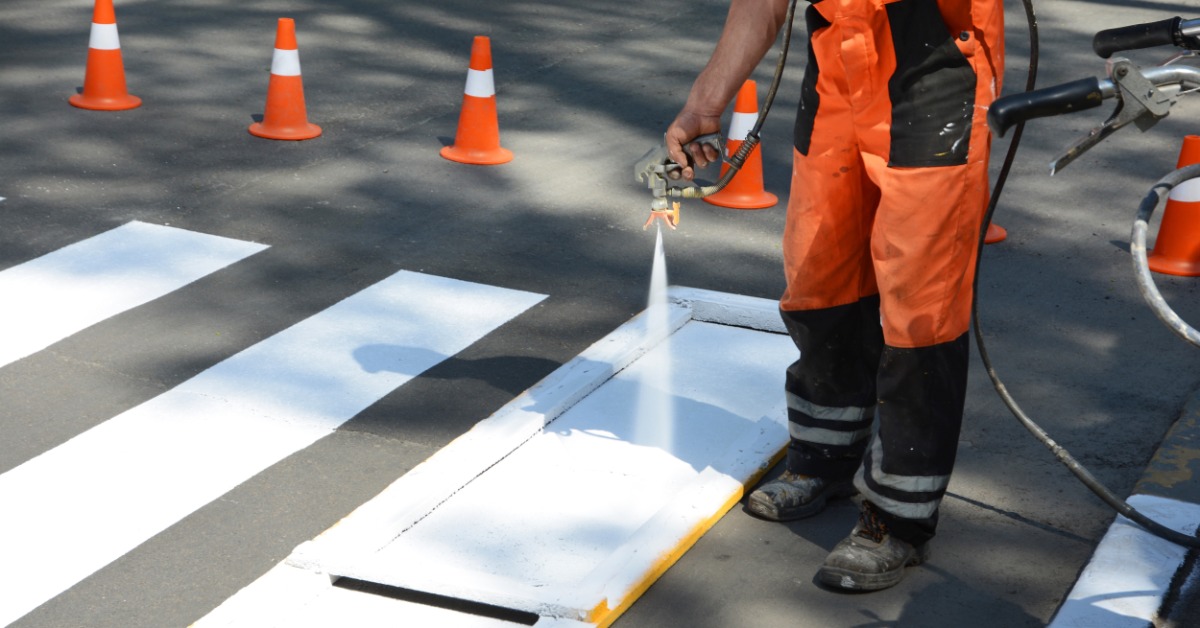
Large paint operations can burn through significant amounts of solvent during equipment cleaning, color changes, line maintenance, and other routine tasks. When crews rely on fresh solvent for every cleaning cycle, purchasing and disposal costs can climb quickly. Facilities also need space for spent solvent and a process that keeps production moving.
Choosing a 55-gallon recovery system gives high-volume paint operations another way to manage that stream. Operators can reclaim usable solvent on site and return it to appropriate cleaning processes instead of continually replacing and removing it. The right system can reduce solvent purchases and hazardous waste volume.
Start With Solvent Volume
Capacity should align with how the paint operation uses solvent from week to week. A small recycler may suit light cleaning needs, but frequent batches can add handling when solvent use rises. A 55-gallon system makes more sense when crews generate enough spent solvent to justify larger batch processing.
Paint operations should look beyond total monthly use and assess how quickly dirty solvent accumulates. A facility may consume a high volume over a month but generate waste unevenly during certain shifts or changeovers. A larger batch size can help the operation handle those peaks without forcing crews to wait through several smaller cycles.
The Model SW 55 handles up to 55 gallons per batch, which gives higher-output facilities room to process larger quantities of contaminated solvent at one time. That capacity can fit operations that already handle solvent in drums.
Look at the Cleaning Workflow
Paint facilities use solvents in different ways, so the recovery system should match the specific cleaning process. Some crews clean spray equipment throughout the day, while others collect spent solvent from larger washdowns or maintenance routines. The best fit depends on waste volume and cleaning schedules.
A thinner recycler machine can support that workflow by turning contaminated solvent into reusable material through distillation. Solvent Waste Management describes solvent recovery as a process that heats solvent to its boiling point, separates it from contaminants, and condenses the vapor back into liquid. That process lets a paint operation recover solvent on site instead of sending every gallon out as waste.
Managers should compare dirty solvent volume with the amount the recycler can process before the next cleaning demand. That comparison helps the team choose equipment that supports production rather than creating a bottleneck.
Consider Operator Involvement
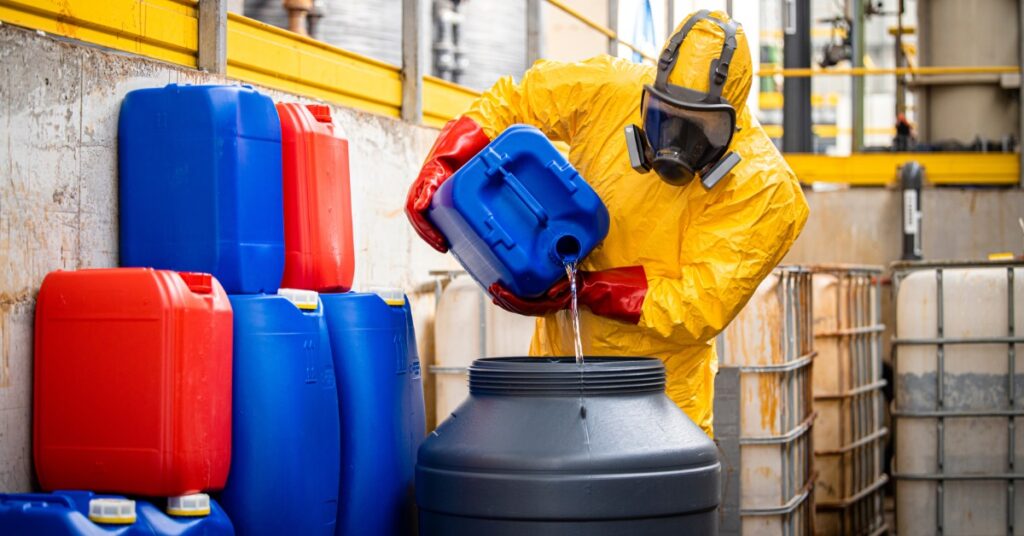
A recovery system should simplify solvent management rather than give operators another complicated task. Equipment that needs constant attention can compete with production work.
The SW 55 includes an automatic feed, an automatic timer shutdown, and a vacuum assist that lowers the solvent’s boiling point. It also places the distillation tank at a convenient work height and uses a tilt-back lid with a quick-open feature. These design choices can reduce hands-on steps during normal operation.
Managers should still decide who will run the equipment, where operators will collect spent solvent, and how recovered solvent will return to use. A clear process helps the recycler become part of daily operations.
Review Cleanup and Maintenance
Paint residues can create messy waste streams, so cleanup deserves attention before a facility selects a recycler. Operators need a practical way to remove the concentrated residue that remains after distillation.
The SW 55 uses disposable high-temperature bags and a tapered stainless steel tank to support easier cleaning. It also includes a quick disconnect for the flow control valve. These features give crews a direct way to manage residue between cycles.
Solvent Waste Management also notes that its machines have low maintenance needs and no moving parts. That can reduce the mechanical attention the recovery process demands.
Check Safety Features
Any equipment that heats solvent needs a strong safety approach. Paint operations should review the machine design, operating controls, placement requirements, and facility procedures before they add a recovery unit to the floor.
The SW 55 uses a closed-loop design and includes automatic heater shutdown for excessive temperature and pressure conditions. The unit also uses a stainless steel cabinet and tank, an insulated lid, and a raised control panel with indicator lights. Those features give operators clear controls.
Safety also depends on the surrounding workflow. Teams should define where dirty solvent enters the process, where clean solvent goes after recovery, and how operators handle the remaining waste.
Plan for Recovered Solvent
A facility should determine how it will use recovered solvent before selecting a system. Paint operations often use solvent for gun cleaning, line flushing, parts cleaning, and other maintenance tasks. The specific reuse point will depend on the solvent, the coating process, and the facility’s quality requirements.
The SW 55 can gravity-feed clean solvent into a 55-gallon drum. That setup can help operations that already handle solvent in drum quantities. It also gives managers a clear way to integrate recycling into an existing material-handling routine.
When operators know where recovered solvent belongs and how to access it, the facility can make recovery part of the normal cleaning cycle.
Compare Costs With Current Practice
The financial case for a 55-gallon system depends on how much solvent the facility buys and how much contaminated solvent it pays to remove. Solvent Waste Management notes that facilities can reduce both new-solvent purchases and hazardous waste disposal needs through on-site recovery. The company also notes that savings depend heavily on usage volume.
Managers should compare the costs of purchasing solvent, storing waste, arranging disposal, and handling drums with the expected recovery workflow. A facility that generates several drums of solvent waste each month may see a very different payback picture than an operation that fills a drum only occasionally.
A 55-gallon unit should solve a real capacity problem. The strongest fit comes from steady solvent volume, repeatable cleaning demands, and sufficient recoverable material to keep the system useful.
Think About Floor Space and Support
Large capacity doesn’t necessarily require an oversized footprint. The SW 55 features a space-conscious design that allows facilities to place the machine in tighter industrial areas while still processing up to 55 gallons per batch. Facilities should review the proposed location, nearby drum handling, and the path operators will use to move solvent.
Choose for the Way You Operate
A 55-gallon solvent recovery system works best when it aligns with the pace and structure of the paint operation. Capacity alone doesn’t determine the choice. Managers should consider solvent volume, batch timing, operator workload, cleanup, safety, recovered-solvent handling, floor space, and cost before choosing a unit.
For high-output facilities, a larger recycler can turn a recurring waste stream into a more useful part of the cleaning process. When the system fits the operation, crews can recover solvent on site, reduce the amount of new solvent they need to purchase, and cut the volume of hazardous waste leaving the facility. That combination can give paint operations a practical way to control solvent use without disrupting production.