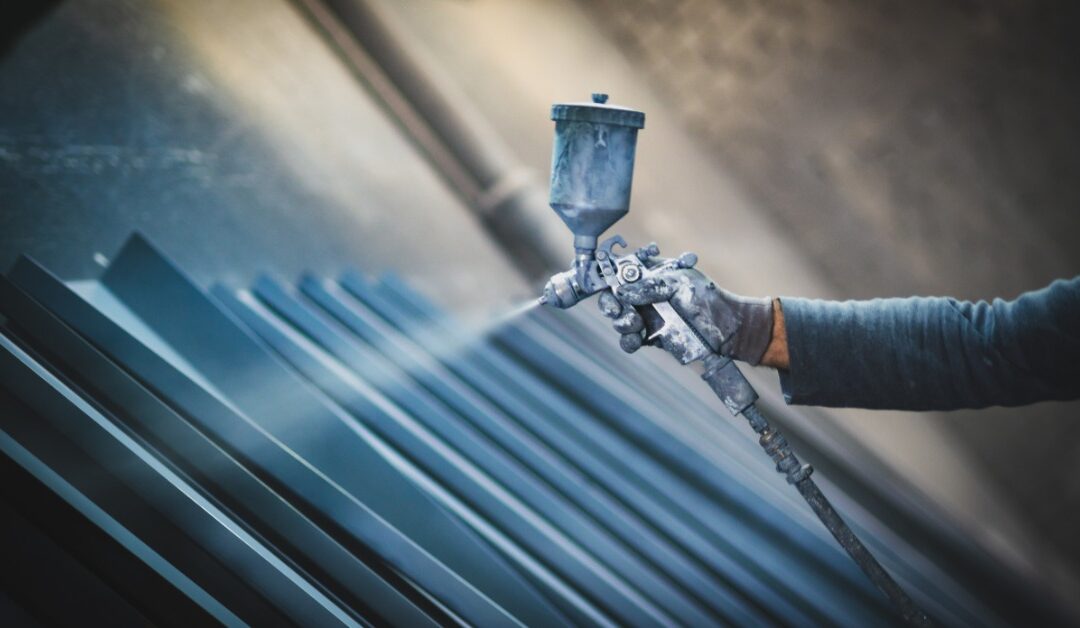
Spray systems perform best when clean solvent supports every stage of the process. When shops run paint, coatings, adhesives, or resins through production day after day, dirty solvent can create problems that spread across the floor. Operators may notice clogged nozzles, uneven spray patterns, poor flushing results, longer cleanup times, and higher solvent costs. These small issues can slow output and create avoidable frustration for teams that need consistent performance.
Solvent reclamation gives facilities a practical way to manage spent solvent rather than treating every dirty batch as waste. It helps teams reuse more of what they already buy, reduce disposal needs, and keep spray equipment cleaner between production cycles. For manufacturers that rely on repeatable spray quality, here’s how cleaner spray systems through solvent reclamation can help.
The Cost of the Old Solvent Cycle
Many operations still follow a familiar pattern. They buy new solvent, use it for cleaning or flushing, collect the used solvent, and pay to have it removed as hazardous waste. Then they repeat the cycle.
That approach creates two cost pressures at once. The facility keeps buying replacement solvent and paying for waste handling. Teams that run high-volume spray operations may feel those costs every month, especially when production schedules increase solvent use.
Solvent recovery equipment changes that pattern by helping facilities reclaim usable solvent from contaminated batches. Instead of sending all spent solvent out the door, the team can process it on-site and return recovered solvent to cleaning tasks. That approach gives shops more control over solvent use and reduces the volume of waste requiring off-site disposal.

How Reclamation Supports Cleaner Spray Work
Solvent reclamation uses distillation to separate solvent from contaminants. The machine heats the dirty solvent until the usable solvent vaporizes. The vapor then condenses back into liquid form, while paint solids, resins, oils, and other contaminants remain behind.
The recovered solvent can return to many cleaning and flushing applications, depending on the solvent type and the facility’s process needs. In spray operations, reclaimed solvent can help clean guns, cups, lines, tanks, and related components. It gives operators a more reliable cleaning supply without relying only on new solvent purchases.
A cleaner solvent also helps reduce residue carryover. When operators flush equipment with solvent that contains fewer contaminants, they can remove residual material more effectively. That can help protect spray patterns, reduce clogs, and support better equipment care over time.
Better Cleaning Between Runs
Spray departments often work under tight schedules. Teams may need to change colors, switch coatings, clean adhesive equipment, or reset lines before the next job. If solvent quality drops, each changeover can take longer because operators need more passes to clean the system.
Reclaimed solvent can enable faster, more consistent cleaning routines. Operators can use clean recovered solvent for initial rinsing, routine flushing, and general equipment cleanup. That steady supply helps reduce the temptation to extend the use of dirty solvent beyond its useful point.
When teams clean equipment with low-quality solvent, they may push contaminants deeper into the system. Clean reclaimed solvent helps remove residue instead of recirculating it. That difference can improve day-to-day spray performance and reduce avoidable interruptions.
Reducing Waste Without Slowing Production
Facilities that use spray systems often produce a steady stream of spent solvent. Cabinet shops, boat manufacturers, composite shops, commercial painting operations, and railcar refurbishing teams may all handle large volumes of solvent. These teams need a practical process that fits into production rather than creating another complicated chore.
On-site reclamation provides teams with a direct way to reduce waste while keeping solvent available. Operators can collect spent solvent from cleaning stations or spray areas, process it through a recovery unit, and reuse the resulting clean solvent in approved applications. The facility keeps more material in circulation and sends less hazardous waste for disposal.
That shift can also simplify planning. When a shop depends less on frequent new solvent deliveries, managers gain more flexibility. They can reduce the impact of price changes, delivery delays, and waste pickup scheduling.
Protecting Spray Equipment From Buildup
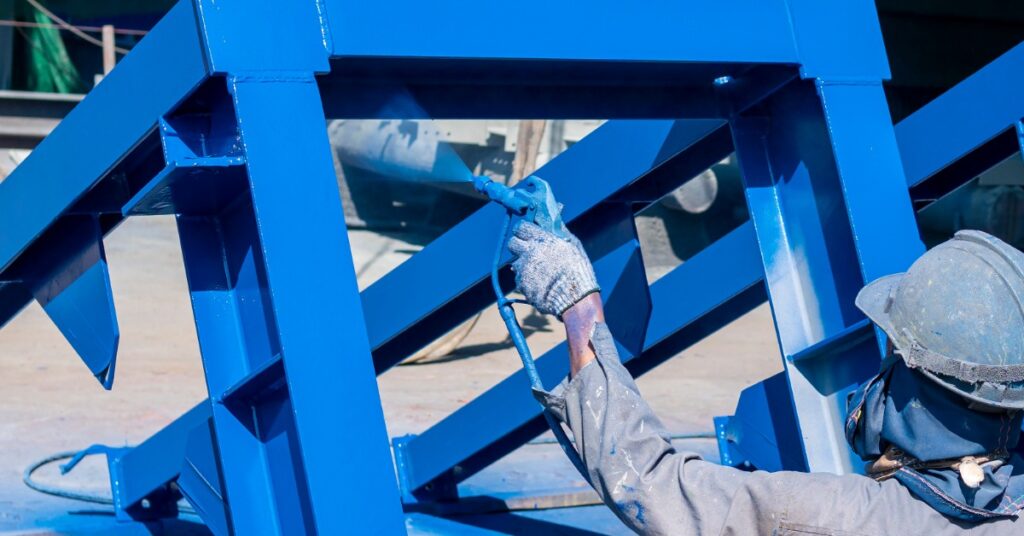
Spray equipment faces constant exposure to coatings, solvents, pigments, resins, and residues. Even a small amount of buildup can affect performance. A nozzle may start to fan unevenly, a gun may need extra cleaning, or a hose may hold contamination that shows up during the next run.
Clean solvent helps remove material before it hardens. It also helps operators maintain consistent cleaning standards across shifts. When each team member has access to a high-performing solvent, they can follow the same cleanup process without improvising around dirty supplies.
Reclamation supports consistency. It gives teams a repeatable way to refresh the solvent supply and reduce the use of heavily contaminated material. Over time, that can help spray departments spend less energy fighting buildup and more time staying on schedule.
A Practical Fit for High-Use Facilities
Solvent reclamation makes the most sense when a facility uses enough solvent to feel the cost of waste and replacement. Shops that only use small amounts may not see the same return as high-use operations. However, manufacturers that run solvent through daily cleaning, flushing, and production support often have more to gain.
High-use facilities need equipment that operators can manage without complex steps. A reliable recovery process should fit the shop’s normal workflow and help teams reclaim solvent without adding unnecessary labor. The goal isn’t to complicate production. The goal is to make solvent management easier, cleaner, and more cost-conscious.
For many manufacturers, the best time to review reclamation comes when solvent purchases, waste pickups, or spray maintenance problems start rising. Those signals often point to a system that needs better solvent control. Reclamation can help the facility address that pressure at the source.
Cleaner Processes and Cost Control
Spray system cleanliness connects directly to operating costs. When equipment needs extra cleaning, the facility loses labor time. When solvent gets discarded after limited use, purchasing costs rise. When waste drums fill quickly, disposal costs can become a recurring burden.
Reclamation helps address all three issues. It allows facilities to reuse solvent, reduce waste volume, and support cleaner equipment care. That combination can create a more efficient solvent cycle throughout the spray department.
Cost control also gives managers better visibility. Instead of seeing solvent as a constant expense that leaves the building after every cleaning cycle, teams can view it as a resource with more value left to recover. That mindset can change how the facility handles solvent at every stage.
Supporting Environmental Goals
Many manufacturers want to reduce waste, but they still need practical solutions that work on the production floor. Solvent reclamation supports that goal because it helps facilities reuse material rather than dispose of it after one use. It can also reduce demand for new solvent packaging, transport, and storage.
For teams that handle hazardous waste, lower waste volume can make a meaningful difference. It can reduce the amount of material that needs pickup and help the facility manage solvent streams with more discipline. That doesn’t remove the need for proper handling, labeling, or safety procedures, but it gives teams a cleaner path for reducing waste.
Environmental responsibility works best when it also supports production. Reclamation does both. It helps shops cut waste while keeping useful solvent available for the work that keeps spray systems moving.
A Cleaner Path Forward
Spray systems need clean solvent to perform at their best. When facilities rely on dirty solvent or discard usable material too quickly, they create avoidable costs and cleaning challenges. Solvent reclamation gives manufacturers a practical way to recover value from spent solvent while supporting better spray equipment care.
For shops that use solvent every day, the payoff can reach beyond waste reduction. Cleaner spray systems through solvent reclamation can help operators flush lines more effectively, reduce residue buildup, and maintain smoother production routines. With the right recovery process in place, facilities can turn a costly waste stream into a cleaner, more useful resource that supports the work happening across the floor.