Industrial waste management starts with a simple but important choice. You need the right container for the waste your facility generates. That decision affects storage, handling, workflow, and overall waste control.
Many facilities focus on disposal methods first, but container selection deserves just as much attention. A well-matched container helps organize waste streams, supports cleaner operations, and makes daily handling more manageable. It also helps teams avoid confusion when different materials move through the same production space. When employees know where waste belongs and how to store it, the entire process runs more smoothly. These are the different types of industrial waste containers.
Why the Right Container Matters
Industrial waste comes in many forms, and each type creates different demands. Some waste streams stay liquid, while others turn into sludge, soaked solids, or bulky debris. A container that works well for one material may create problems for another.
The right container supports both safety and efficiency. It helps control spills, keeps storage areas more orderly, and makes it easier for teams to separate waste correctly. That matters in facilities that handle paint residues, solvents, chemical byproducts, oily materials, and contaminated debris. A good container system does more than hold waste. It supports a cleaner process from the moment waste appears on the floor to the moment it leaves the site.
Steel Drums
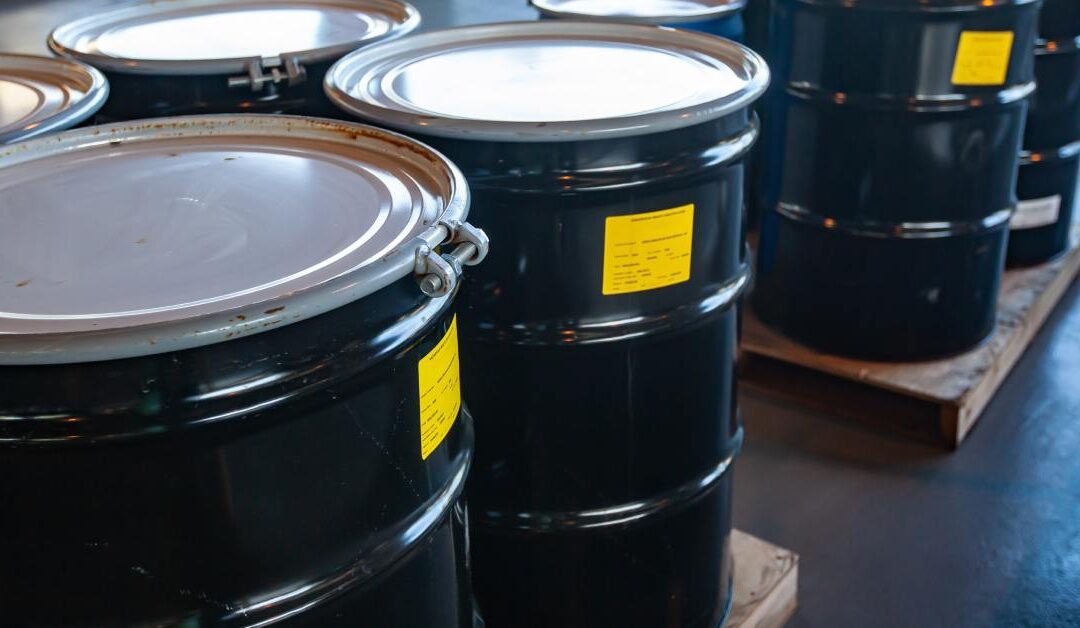
Steel drums remain one of the most common options in industrial settings because they handle tough conditions and fit many waste streams. Facilities often use them for liquid waste, solvent waste, paint waste, used chemicals, and sludge. Their familiar shape makes them easy to store, stack, and transport.
Closed-head steel drums work well when a facility needs tighter containment and less exposure during storage. Open-head drums make more sense when teams need easier access for thicker materials or routine filling. In many operations, steel drums become the standard because they support consistent waste collection and fit established pickup routines.
Still, steel drums don’t solve every problem. They add weight, and they may not suit every material. Some waste streams require special linings or different construction to avoid compatibility issues. Facilities need to choose the right drum for the waste instead of treating all drums as interchangeable.
Plastic Drums
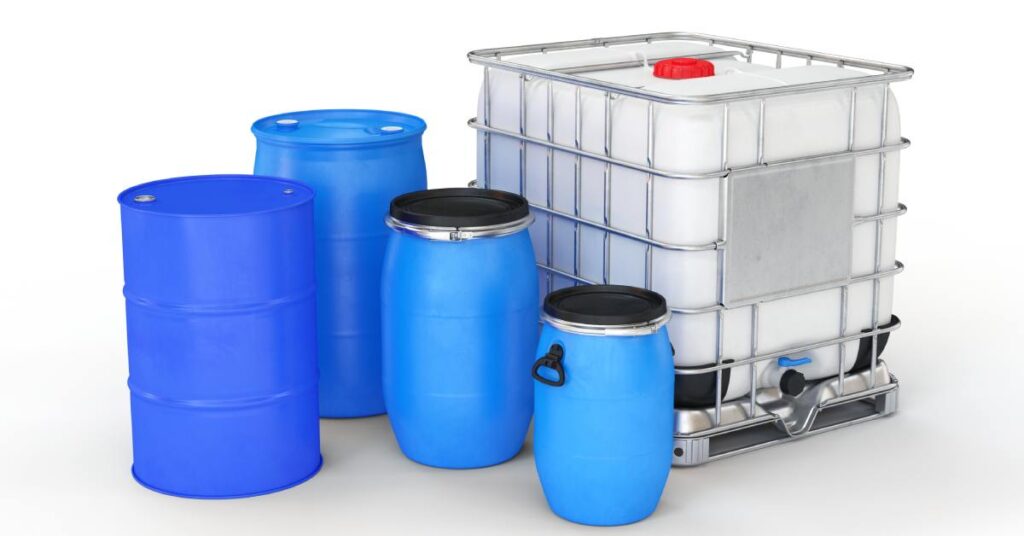
Plastic drums offer a useful alternative when corrosion resistance or chemical compatibility matters more than the rugged construction of steel. Many facilities choose high-density polyethylene drums for selected liquid wastes because they resist a range of chemicals and hold up well in controlled environments.
These drums often work well for water-based residues, nonflammable liquids, and certain chemical byproducts. Their lighter weight can also help with internal handling. When teams move containers across the plant before final storage or disposal, lighter containers can reduce strain and simplify the process.
Plastic drums still require careful selection. They do not replace steel in every application, and some waste streams demand stronger or more heat-resistant containment. Storage conditions also matter. A drum that performs well indoors in a stable environment may not suit harsher conditions or rough handling.
Intermediate Bulk Containers
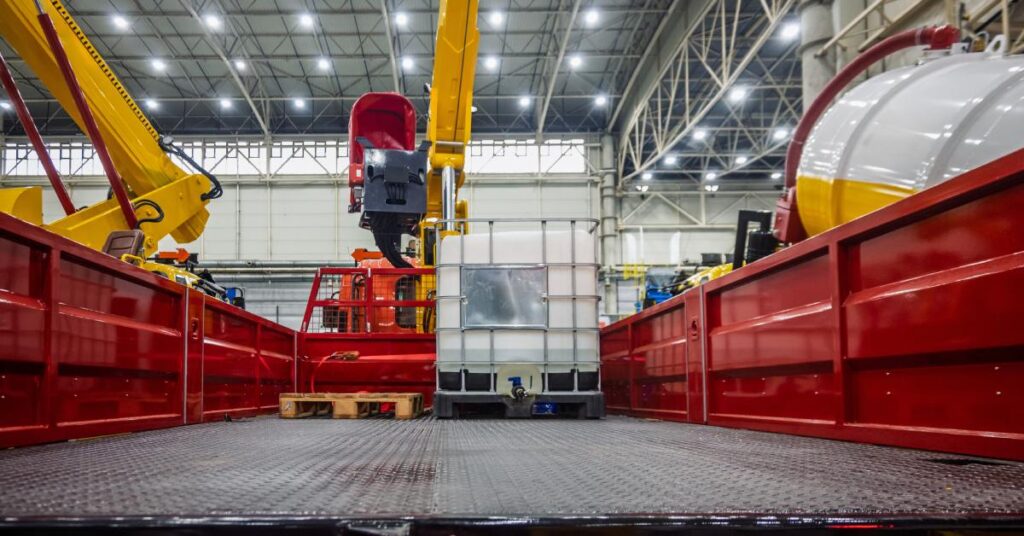
Intermediate bulk containers, often called IBCs, give facilities a larger-capacity option for liquid waste. These containers usually sit inside a metal cage on a pallet-style base, which makes them easier to move with forklifts and easier to place in dedicated storage zones.
IBCs help reduce the number of smaller containers on the floor. That can improve organization and cut down on the time teams spend replacing full drums or transferring waste. In larger operations, that added capacity often supports a more efficient workflow because employees can collect waste at fewer transfer points.
These containers work best when a facility generates enough volume to justify the size and has the space and equipment to handle them properly. Because IBCs hold a large amount of material, they require careful labeling and disciplined handling practices. They often become part of a broader waste reduction strategy in solvent-heavy operations. Some facilities pair their waste storage plan with recovery equipment, and a thinner recycler machine can help reduce how much spent solvent that requires storage by reclaiming usable material for reuse.
Small Collection Containers
Not all industrial waste belongs in a large container right away. Many facilities rely on smaller collection containers at workstations, paint booths, maintenance areas, or production cells. These containers help employees collect waste where it appears instead of carrying materials across the facility before securing them.
Small containers support better segregation because they make it easier to separate waste streams at the source. Teams can collect wipes, overspray waste, liquid residues, or process waste in a controlled way before transferring material into larger storage containers. That process reduces the chance of mixing incompatible materials and helps keep production areas cleaner.
These containers work best when they match the way employees move through the space. If the collection point sits too far away or feels inconvenient, people may cut corners. A well-placed container supports the workflow instead of interrupting it, and that often leads to better waste handling across the facility.
Totes
Totes fill an important middle ground between small collection containers and full-size drums or IBCs. Facilities often use them for temporary collection, internal transfer, or short-term storage of selected waste streams. Their shape and capacity can make them easier to manage in some production areas, especially when a drum feels too large, and a smaller container fills too quickly.
Totes can also help streamline internal movement. Teams may collect waste in several smaller containers and then consolidate it into a tote before moving it to a central storage area. That step can reduce clutter at the point of generation and create a cleaner handoff between production and waste management.
Like any other container, totes need to match the waste stream and the handling conditions. Facilities should think through how teams will lift, move, cover, and empty them before making them part of the process. The best tote setup supports daily work rather than adding another awkward step.
Roll-Off Containers
Roll-off containers serve a very different purpose from drums, totes, and IBCs. Facilities usually use them for high-volume solid waste, bulky debris, packaging waste, production scrap, and large cleanup projects. Their size makes them useful when a plant needs to manage substantial amounts of non-liquid material in one place.
A roll-off can make sense during renovations, equipment removals, warehouse cleanouts, or production runs that create large amounts of dry waste. Instead of managing many smaller containers, the facility can centralize waste in one large unit and load it quickly.
That convenience comes with limits. Roll-off containers do not fit every waste stream, and they work best when the material stays relatively consistent. When liquids, mixed residues, or chemical wastes enter the picture, facilities usually need a more controlled container choice.
Specialty Containers
Some waste streams require more specialized options. Oily waste cans, rag containers with tight-fitting lids, sludge boxes, and sealed containers for unusual materials all fill specific roles in industrial environments. These containers solve problems that standard drums or open bins cannot address as effectively.
Specialty containers often help control vapors, reduce fire risk, improve organization, or support easier transport for unique materials. In facilities with several different waste streams, these containers help create a more detailed and practical waste segregation plan.
That level of detail matters because many industrial operations generate more than one kind of waste. A single facility may manage spent solvent, paint residue, contaminated absorbents, oily rags, overspray waste, filters, and general production debris. Matching each waste stream to the right container supports a cleaner and more efficient program.
Choosing the Best Fit
The best industrial waste container depends on several practical factors. You need to look at the physical form of the waste, the volume generated, the storage conditions, and how employees will move the material through the facility. You also need to consider how long the waste will stay on-site and what kind of day-to-day handling the container will face.
Workflow matters just as much as capacity. A container may look like a good choice on paper, but it still creates problems if it slows production or makes handling more difficult. The strongest solution supports the pace of the operation and fits the space available. Good container planning helps facilities control waste more effectively and avoid unnecessary headaches in the process.
Better Waste Handling Starts Here
Different types of industrial waste containers do more than store unwanted material. They shape how a facility collects, separates, moves, and manages waste every day. From steel drums and plastic drums to IBCs, totes, roll-offs, and specialty options, each type serves a different purpose.
The best waste handling programs start with practical decisions. When facilities match the container to the waste stream and the workflow, they create a cleaner and more organized system. That approach supports better handling, more efficient storage, and a stronger path toward long-term waste reduction.