
Every drum change and equipment rinse transfers solvent from one container to another. In a busy paint shop or fiberglass plant, that movement can feel so routine that the crew stops giving it much thought.
But solvent transfer procedures affect more than the speed of cleanup. Careful handling helps workers control vapor exposure and prevent spills while keeping clean and contaminated solvent on the right path. Keep reading to explore the dos and don’ts of solvent transfer procedures.
Do: Review the Solvent First
Start by identifying the solvent and checking its safety data sheet before anyone opens the container. The document explains handling precautions and points employees toward appropriate protective equipment for that chemical.
Check whether the liquid contains acetone or paint thinner, including any mixtures from recent cleaning jobs. If the contents don’t match the label, stop and ask the supervisor to identify the material before transferring it.
In shops that change coatings often, post a current material list near the collection point. That simple reference helps operators recognize when a new cleaner needs its own handling procedure.
Don’t: Mix Unknown Streams
Different solvents don’t automatically belong in the same drum. A cleaning station may produce several waste streams, and combining them can affect chemical compatibility or the solvent recovery process.
Keep collection containers for each approved stream separate and make labels easy to read. Operators need to know what enters solvent recycling machines, so don’t use a convenient empty drum as a catchall.
Do: Choose Suitable Containers
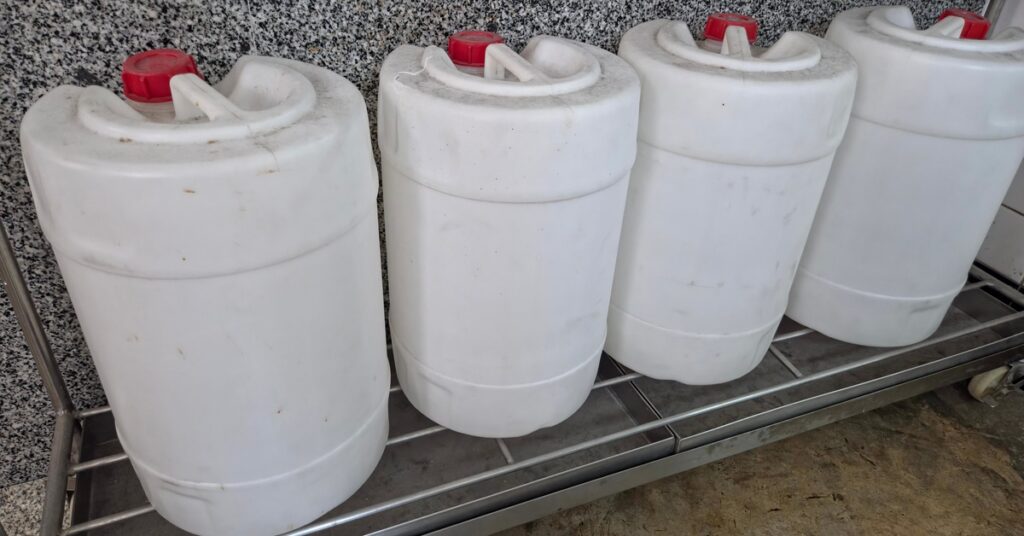
Before starting a transfer, confirm that the receiving container is compatible with the liquid and has sufficient capacity for the planned volume. Inspect the walls for corrosion or cracks, and check the closure for leaks.
Choose containers and dispensing devices that meet applicable requirements for the solvent’s hazards. A worn container can turn a straightforward transfer into a spill, especially when operators move drums between work areas.
Don’t: Overlook Static Electricity
Moving flammable liquid can generate static electricity, even during an ordinary drum-filling job. A spark near ignitable vapor creates a danger that no production deadline can justify.
Follow the facility’s bonding and grounding procedures, including the required electrical connection between dispensing equipment and suitable receiving containers. Ask a qualified safety lead to verify the setup rather than assuming that a metal drum or a hose alone makes a transfer safe.
Bonding and grounding requirements depend on the transfer arrangement and the material’s hazards. Staff shouldn’t improvise connections or assume that a plastic container eliminates the need for a static-control assessment.
Do: Prepare the Transfer Area
Set up transfers in the locations your facility designates for solvent handling, where ventilation can keep vapors from collecting. Check that spill controls remain available and that clear access allows employees to leave the area quickly if something goes wrong.
Before starting, move unrelated equipment out of the work zone and give the operator enough room to control the hose. A crowded corner makes it harder to notice a drip or reach the shutoff.
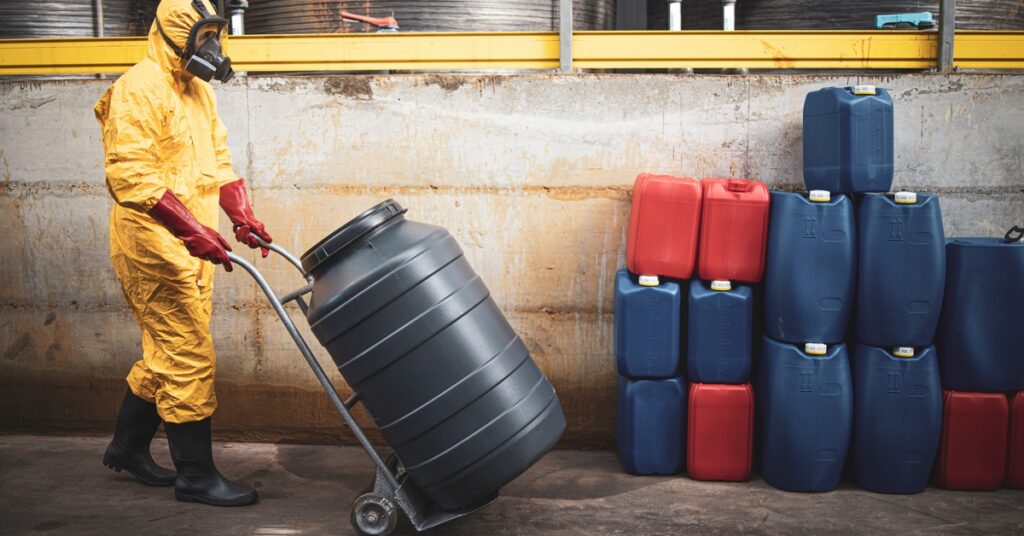
Check the route between storage and the receiving station, too. Keep drums stable during movement and avoid paths that run through forklift traffic or crowded work aisles.
Don’t: Ignore Ignition Sources
Solvent vapor may travel beyond the lip of an open drum, so a flame doesn’t have to sit beside the transfer point to create risk. Hot work and smoking don’t belong in the possible path of flammable vapors. Neither does equipment that may generate sparks.
Review the work nearby before opening a container and pause transfer if another task introduces an ignition source. Don’t assume a door or a few feet of floor space provides adequate separation.
Do: Use Proper Transfer Equipment
Use dispensing equipment appropriate for the solvent and the facility’s authorized transfer method. OSHA limits how workers transfer flammable liquids indoors, so ordinary pouring or improvised pressure systems may not meet the requirements.
Where the installation permits it, the SW 55’s automatic feed feature helps move contaminated solvent into the recovery unit with less manual filling. Operators still need to follow the manufacturer’s instructions and confirm that the feed stream suits the machine.
Before each shift, operators can inspect hoses for wear and check connections for leaks while equipment remains off. If a component looks damaged, take it out of service and follow the facility’s maintenance process.
Don’t: Force the Flow
Never use compressed air to push flammable liquid out of a drum or portable tank. The pressure can create serious hazards, and OSHA prohibits this method for indoor transfers of flammable liquids.
Don’t bypass a valve that won’t open or force a clogged hose to keep production moving. Stop the task and let authorized personnel investigate rather than turning a minor equipment problem into a release.
Do: Monitor the Fill
Stay with the transfer and watch the receiving container’s level throughout the operation. Even a familiar pump can deliver more liquid than expected if an employee loses track of available space.
Keep the correct shutoff within reach and stop the flow before the container reaches its safe fill limit. Clear supervision protects employees from the mess and disruption of an overflow.
Some shops use batch logs to record the source container and destination for each transfer. These logs help trace mix-ups and identify stations that generate more spent solvent than the recovery plan can handle.
Don’t: Skip Personal Protection
Before selecting gloves or eye protection, review the safety data sheet and the facility’s hazard assessment. One solvent can damage glove materials that perform well with another, so matching protection to the chemical makes a difference.
If a hose drips or a worker feels unusual symptoms, stop the transfer and follow the exposure-response procedure. Don’t rely on a familiar smell to decide whether the air is safe to breathe.
Do: Close and Label Containers
As soon as the transfer finishes, shut the valves and secure the container closure according to the handling procedure. Covered containers reduce unwanted vapor release and help prevent an accidental spill during the next shift.
Mark the receiving drum with the required information, especially when employees move contaminated solvent toward waste storage or recovery. Clear identification helps the next operator understand the contents without opening the lid.
Don’t: Treat Spills as Routine
A small leak deserves attention before the next operator steps into the area. When employees overlook a drip, they risk a larger release and may send solvent toward floor drains.
Stop work and follow the site’s spill-response plan instead of improvising a cleanup. Trained personnel should evaluate the situation and use suitable materials, especially when fire or exposure hazards exceed the crew’s response training.
Keep response supplies and emergency contact information easy for employees to locate. Training should clarify which releases workers may handle and when they must move away and call the designated response team.
Make Every Transfer Count
Following the dos and don’ts of solvent transfer procedures helps crews avoid preventable mistakes during busy shifts. Clear handling routines also keep suitable solvent moving between cleaning stations and recovery equipment with fewer interruptions.
Solvent Waste Management offers on-site recovery equipment for industrial facilities that want to reclaim usable solvent and reduce disposal needs. If your current handling process creates extra drum changes or unnecessary risk, review the transfer workflow alongside your recovery setup and ask the team at Solvent Waste Management about equipment that fits your operation.