When a finishing line stays busy, cleanup rarely waits for a convenient break. Spray guns need rinsing between jobs, and operators may flush equipment before the next coating enters the line. Every cleaning task uses solvent, even when the production schedule leaves little room to slow down.
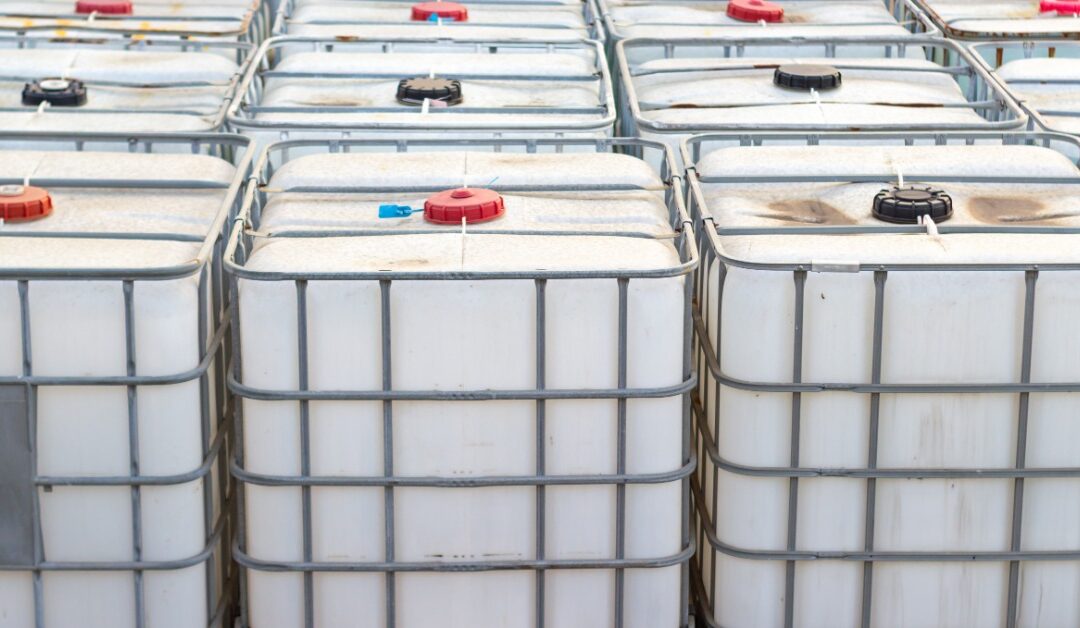
Over a full shift, that demand adds up. Teams need a dependable way to manage contaminated solvent without relying entirely on fresh supplies. A 55-gallon recovery unit can help by turning suitable spent solvent into a resource the shop can use again. Keep reading to discover how 55-gallon units handle continuous cleaning.
Why Cleaning Demand Stays High
In a busy paint shop, one crew may clean spray equipment while another prepares the next job. Cabinet-finishing crews face similar demands when switching coatings or removing residue from their tools. Cleaning remains part of production rather than an occasional chore.
As the day progresses, dirty solvent collects in containers near workstations. If employees keep opening fresh drums, purchasing costs rise and waste storage fills up. The challenge isn’t simply finding a larger place for used solvent. It’s finding a practical way to reintegrate usable solvent into the routine.
Recovery That Fits the Workflow
A 55-gallon unit addresses that challenge by processing a larger volume of contaminated solvent on-site. Solvent Waste Management’s SW 55 uses distillation to separate recoverable liquid from the paint residue and other contaminants that cleaning leaves behind. The process gives shops another source of solvent for appropriate cleaning tasks.
A solvent cleaning machine supports the people who wash equipment, but it doesn’t replace their cleaning work. Operators still flush lines and clean tools at their stations. The recovery unit handles the resulting solvent so the team can reuse suitable liquid instead of continually drawing from new inventory.
Automatic Feed Saves Handling
Repeatedly pouring contaminated solvent into a recycler can interrupt an already crowded shift. The SW 55 tackles that problem with an automatic feed feature that draws dirty solvent into the distillation tank during operation. Employees don’t need to stand beside the unit to refill the tank by hand throughout the cycle.
That convenience becomes especially helpful when cleaning creates waste at a steady pace. Workers can follow the facility’s collection procedures while the equipment manages its feed. The feature reduces manual attention during processing, though operators still need to check the system and manage each completed cycle.
Vacuum Assist Supports Recovery
The SW 55 also uses vacuum assistance to lower the solvent’s boiling temperature. By working at a lower boiling point, the system supports the distillation process without requiring the same heating temperature that the solvent would need at normal pressure. This approach helps the unit process contaminated liquid more efficiently.
During distillation, heat turns the recoverable solvent into vapor while heavier residue remains in the tank. The system then cools that vapor into liquid again. Workers gain a way to separate useful solvent from contaminants without sending every container of dirty liquid away for disposal.
Getting Solvent Back Into Use
Recovery only helps daily cleaning when the shop can collect the finished solvent conveniently. The SW 55 allows clean solvent to flow by gravity into a 55-gallon drum. That arrangement helps employees organize recovered inventory near the areas where they plan to use it.
Teams still need to check whether recovered solvent suits a particular cleaning job. A first rinse of heavily coated equipment may allow more flexibility than a sensitive final cleaning step. Clear containers and straightforward handling procedures help employees choose the appropriate supply without confusing recovered solvent with fresh material.
Working Around Recovery Cycles
Continuous cleaning demand doesn’t mean a recovery machine produces solvent without interruption. The SW 55 has a rated processing capacity of up to 55 gallons per batch and uses an automatic timer to shut down at the end of a cycle. Teams should plan around those operating periods rather than assume unlimited output.
A shop can start by tracking how much solvent each shift uses and when cleaning peaks. Managers can then schedule recovery cycles around available dirty solvent and maintain enough clean inventory for upcoming work. Good timing helps workers keep cleaning while the recycler completes its own process.
Keeping Solvent Streams Organized
Busy facilities often use different cleaning materials across production areas. A paint crew may collect thinner from equipment rinses, while another department relies on acetone for its work. Mixing incompatible materials creates avoidable challenges for recovery and reuse.
Before processing a solvent, employees should confirm that its composition suits the equipment and the planned cleaning application. Separate collection containers make that decision easier. Clear labeling helps the recovery operator identify each stream and follow the manufacturer’s instructions. It also reduces the chance that someone sends unsuitable chemicals into the unit.
Making Maintenance Manageable
High cleaning volumes leave little patience for equipment that demands constant attention. The SW 55 includes a work-height distillation tank and a tilt-back lid that makes access more convenient. Its disposable high-temperature bags also help operators remove collected residue after processing.
The tapered stainless steel tank and quick-disconnect flow control valve support routine cleaning between cycles. Operators still need to inspect the equipment and follow the recommended maintenance procedures. Convenient access can make those tasks easier to fit into a normal shift, especially when cleaning crews have plenty of other work to handle.
Supporting Safer Daily Practices
When a facility handles solvent every day, employees need clear procedures for collection and recovery. The SW 55 combines its closed-loop design with an insulated lid. Its heater also shuts down automatically if temperature or pressure exceeds safe operating limits. Those built-in protections support the operator’s work.
Safety also depends on how a team handles the material. Supervisors need to train staff on compatible solvents and proper operation, and employees should follow applicable requirements for ventilation and waste handling. Recycling reduces the amount of liquid that needs disposal, but it doesn’t eliminate the need to manage remaining residue properly.
Keeping Costs Under Control
Every gallon that a facility can recover and reuse may reduce its need for replacement solvent. Recovery can also lower the amount of contaminated liquid a shop sends for disposal. For a high-volume operation, those two expenses often make solvent management worth a closer look.
The results depend on how much solvent the facility uses and how much the equipment can reclaim. Managers can compare fresh solvent purchases with recovered volumes, then factor in operating costs and remaining waste disposal. That practical review shows whether the unit fits the shop’s workload better than relying on new solvent for every cleaning task.
Keep Cleaning Moving
A busy production floor needs cleaning supplies that keep pace with daily work. A 55-gallon recovery unit can handle larger volumes while reducing manual feed work. It also returns suitable liquid to the cleaning routine. Thoughtful scheduling gives the shop a useful supply without assuming the recycler must operate nonstop.
Solvent Waste Management’s SW 55 offers an on-site approach for facilities that handle frequent solvent cleaning. If your team regularly fills drums with contaminated solvent, review your daily usage and talk with Solvent Waste Management about whether a 55-gallon unit fits your operation.