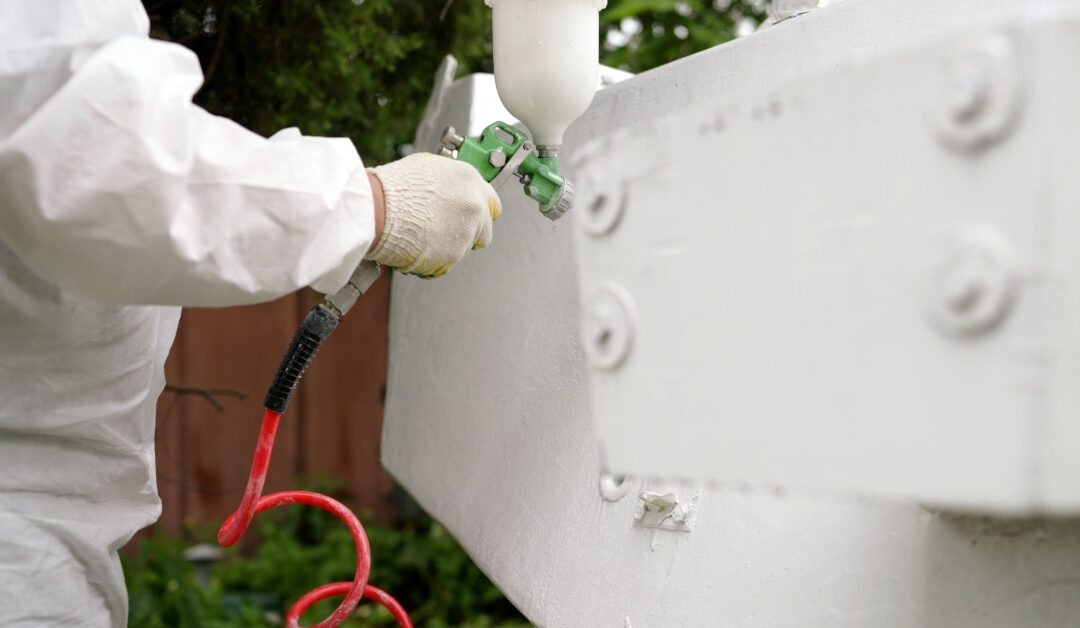
Coating problems rarely start at the spray gun alone. A shop can run a skilled crew, maintain good equipment, and follow the same process every day, yet still see streaks, haze, rough texture, fish eyes, poor adhesion, or uneven dry times. When those issues keep showing up, solvent quality deserves a closer look.
Clean solvent improves coating consistency because it helps coatings flow, level, bond, and cure as intended. Dirty solvent can carry resin, pigment, oil, moisture, dust, and other contaminants back into the process. Once contamination enters a coating workflow, the finish can change from one batch, part, panel, cabinet door, rail component, mold, or hull section to the next.
For manufacturers that rely on coatings every shift, consistency protects time, material, reputation, and profit. Clean solvent doesn’t solve every coating problem, but it gives the process a stronger foundation.
Why Solvent Quality Affects Finish
Solvent does more than thin a coating or clean a surface. It influences how coating material transfers from the application equipment to the substrate, how evenly it spreads, and how well the surface accepts the finish. When the solvent contains residue from prior use, the coating team can lose control of those details.
A small amount of contamination can alter viscosity, slow evaporation, or leave residue after cleaning. In a paint or finishing line, these changes can cause orange peel, dull spots, pinholes, adhesion failures, or color variation. In cabinetry, these flaws can appear on doors and drawer fronts that should match. In boat manufacturing or composite work, contaminated solvent can disrupt surface preparation before gel coat, paint, adhesive, or laminate work begins.
Clean solvent helps the coating act the same way from one job to the next. That repeatability helps crews spend less time troubleshooting and more time producing acceptable finishes.
The Hidden Cost of Dirty Solvent
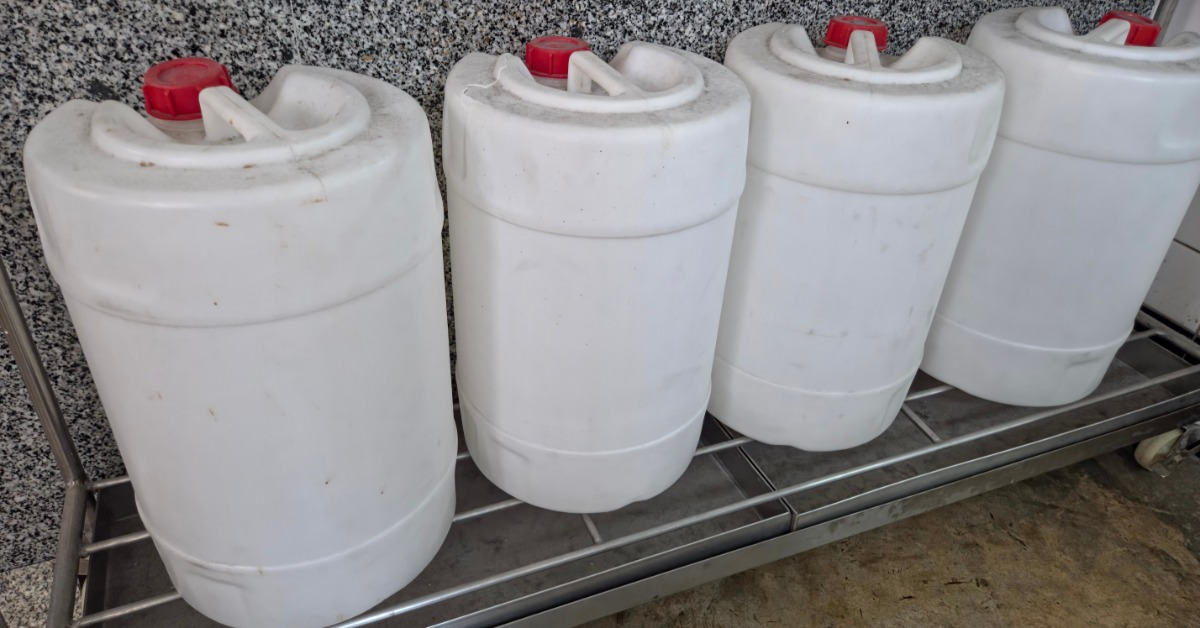
Dirty solvent creates costs that don’t always show up on a purchase order. A shop may see increased coating use, extra sanding, more rework, rejected parts, longer cleanup, slower production, or customer complaints. Those costs escalate quickly when the same issue affects multiple pieces.
A coating flaw can also hide until later in the process. A cabinet door may leave the spray area with a finish that looks acceptable under poor lighting, then reveal haze after drying. Every extra pass consumes labor, coating, solvent, abrasives, booth time, and schedule capacity.
Clean solvent helps reduce avoidable costs by removing one major source of variation. It also helps supervisors link finish problems to a controllable process input rather than blaming the technique alone.
Cleaner Prep Starts Better Coating
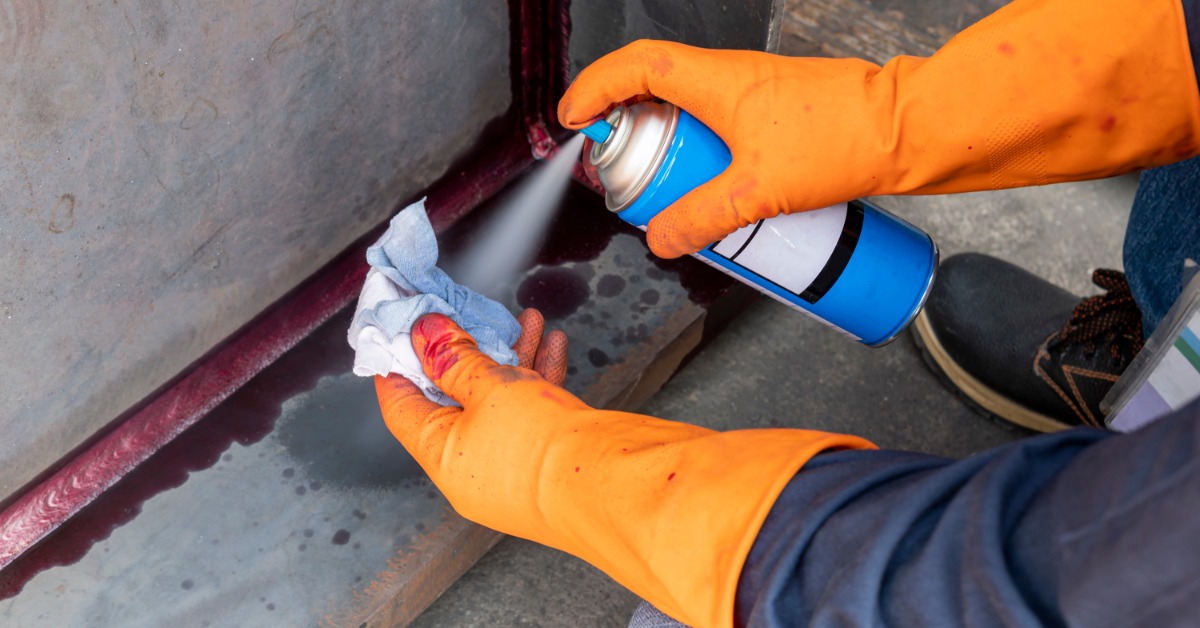
Surface preparation shapes coating performance before the first coat lands. Dust, grease, oils, sanding residue, old coating particles, and moisture can interfere with adhesion and appearance. Solvent wiping and equipment cleaning help remove contaminants, but only when the solvent stays clean enough for the task.
When technicians wipe surfaces with contaminated solvent, they can spread residue rather than remove it. That residue may leave a thin film that affects adhesion or causes defects during curing. The surface may look clean, yet the coating may still perform poorly because the wipe-down step introduced impurities.
Clean solvent gives technicians a more reliable prep process. It helps them remove unwanted material without adding a new problem. In production environments, that reliability supports tighter standards across shifts, crews, and job types.
Better Cleaning Supports Better Spraying
Coating consistency also depends on clean equipment. Spray guns, hoses, pumps, cups, lines, and mixing tools can accumulate coating solids and residue. When technicians clean those items with degraded solvent, old material can remain inside the equipment or return during the next job.
That leftover material can affect spray pattern, atomization, flow rate, and color cleanliness. It can also clog tips or cause intermittent spit and splatter. Fresh, clean solvent helps remove coating residue more thoroughly, allowing crews to control film build, flash time, and coverage with fewer interruptions.
Recovery Helps Control Quality
Many manufacturers buy new solvent, use it once or a few times, and then pay to haul the waste away. That approach can work, but it creates ongoing purchasing pressure and hazardous waste disposal costs. It can also tempt teams to stretch solvent beyond its useful life because each new drum adds expense.
Solvent recovery equipment gives coating operations another option. Through distillation, the machine heats the used solvent, vaporizes the reusable solvent, condenses it back into liquid form, and leaves many contaminants behind. The recovered solvent can then return to cleaning, preparation, or other approved shop uses based on the operation’s process requirements.
This approach helps teams keep cleaner solvent available without treating every gallon as a one-way expense. It also helps shops reduce the volume of hazardous solvent waste they send out for disposal. Solvent Waste Management serves industrial customers who want practical solvent recycling equipment that supports cost control, cleaner operations, and day-to-day reliability.
Consistency Across Industries
Clean solvent supports coating work across many industrial settings. Cabinet manufacturers need smooth, uniform finishes on pieces that sit side by side in homes and commercial spaces. Boat builders need clean prep and application conditions because coatings face moisture, sunlight, abrasion, and customer scrutiny. Composite manufacturers need surfaces that accept coatings, adhesives, and finishing materials without hidden residue.
Paint operations and railcar refurbishment teams need repeatable cleaning and coating performance at scale. Each environment has different materials, production volumes, and finish standards. Still, each operation benefits when crews remove contamination from the solvent loop. Clean solvent helps teams build a stable process rather than relying on guesswork after defects appear.
For environmental and safety managers, solvent cleanliness also ties into waste management. When a facility recycles solvent on site, the team can reduce disposal pickups, lower the need to purchase new solvent, and maintain better control over how solvent moves through the operation.
Build a Cleaner Workflow
Improving coating consistency with clean solvents doesn’t require a complete process overhaul every time. Many shops can start by examining how teams store, use, recover, and replace solvent. The goal involves giving technicians clean material at the point where they need it most.
Shops should separate solvents by use when process requirements call for it. Solvent for final surface prep should not carry the same contamination load as the solvent used for rough equipment cleanup. Teams should also keep containers closed when possible, label solvents clearly, and avoid mixing unknown materials into the same waste stream.
Technicians need to know when the solvent still performs well and when contamination will create a finish risk. Managers need practical standards so crews don’t make those calls under pressure with a job waiting in the booth.
A Better Finish Starts Earlier
Coating consistency starts before the coating reaches the surface. Clean solvent affects preparation, equipment cleaning, material behavior, and waste control. When teams overlook solvent quality, they may chase defects in the spray booth while the real issue starts in the cleaning station, storage area, or waste drum.
Clean solvent helps manufacturers create smoother finishes, stronger adhesion, steadier production, and fewer expensive do-overs. It also helps teams control solvent spending and reduce hazardous waste when they use the right recovery process.
Solvent Waste Management helps industrial operations rethink how they handle used solvent. With reliable solvent recycling equipment, manufacturers can turn a recurring waste problem into a cleaner, more controlled part of the production process. For coating teams that want better consistency without adding unnecessary complexity, cleaner solvent offers a practical place to start.