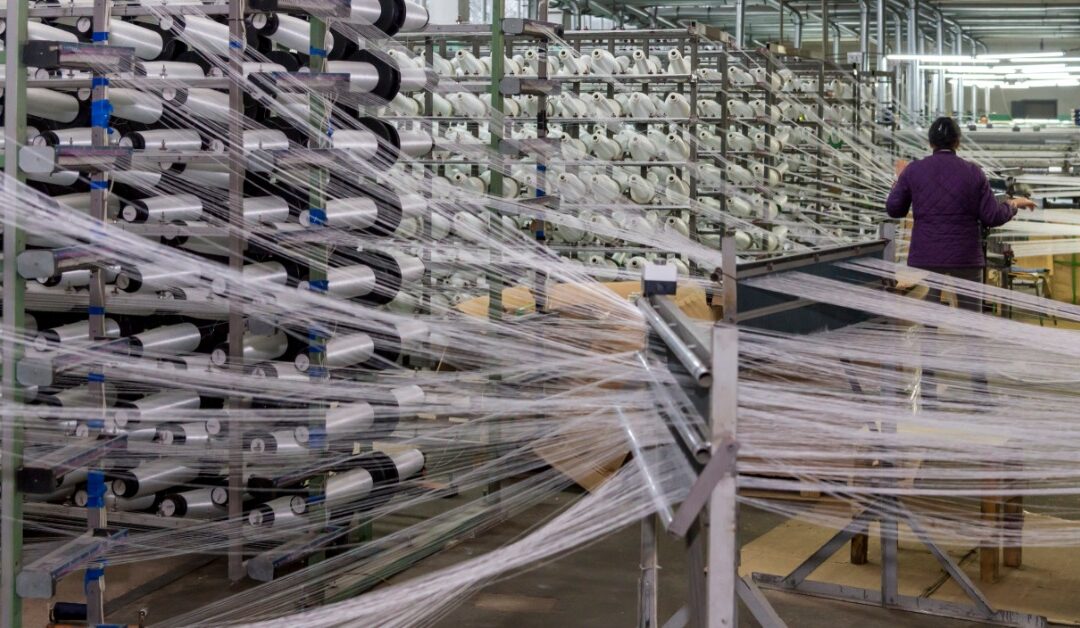
Fiberglass plants rely on acetone every day because production teams need clean tools, clean molds, and a consistent workflow. When crews laminate, trim, spray, repair, or reset equipment, acetone often plays a central role in keeping resin and other materials from slowing the line down.
Heavy acetone use can help a fiberglass plant stay productive, but it also creates pressure across purchasing, handling, storage, and waste management. A busy fiberglass operation can move through drums quickly, especially when several lines run at the same time. As usage climbs, small inefficiencies start to cost more.
Why Fiberglass Plants Use So Much Acetone
Fiberglass work creates constant cleanup needs. Resin, gelcoat, adhesives, and related materials can build up on tools and equipment throughout the day. Acetone cuts through many of those residues quickly, which makes it useful in fast-paced environments.
Employees may use acetone to clean spray equipment, rollers, brushes, buckets, molds, fixtures, and work surfaces. They may also use it between production steps, during maintenance, and after repairs. When crews work under tight schedules, they often reach for fresh acetone because it saves time and supports consistent results.
That habit makes sense on the floor, but it can create waste when teams discard solvent too early. A drum may still contain recoverable acetone even after contamination changes its color or clarity. When a plant throws that solvent away, it also throws away purchasing value.
The Cost of a Buy and Dispose Routine
Many fiberglass plants start with a simple cycle. They buy new acetone, use it for cleaning, collect the contaminated solvent, and pay someone to haul it away. That process may feel normal, but it can drain the budget month after month.
New acetone costs money. Waste storage also takes space. Disposal adds another expense. Employees must handle drums, label waste, manage pickup schedules, and keep production areas organized. When the use of acetone grows, those tasks place more demand on supervisors and maintenance teams.
A buy-and-dispose routine also exposes the plant to price swings. If acetone prices rise or disposal costs increase, the facility absorbs the hit. A plant with high solvent demand can’t ignore those changes for long.
Waste Handling Adds Operational Pressure
Contaminated acetone creates more than a purchasing problem. It also creates a hazardous waste stream that needs careful handling. Fiberglass plants must manage waste containers, storage limits, labeling practices, and pickup timing with discipline.
When employees collect spent solvent from several areas, supervisors need a reliable flow from the use point to the storage point. Poor organization can lead to crowded drum areas, confusing labels, or unnecessary movement through the plant. Those problems can distract teams from higher-value work.
Waste pickups can also disrupt routines. If a facility fills drums faster than expected, managers may need an extra pickup. If pickup timing slips, the plant may need more storage room. Heavy acetone use magnifies every weakness in the waste process.
Recovering Value From Spent Acetone
A plant can take more control when it treats spent acetone as a recoverable resource. Solvent recovery uses distillation to separate usable acetone from contaminants. The process heats the solvent, vaporizes it, condenses it back into liquid form, and leaves residues behind.
An acetone recycler gives fiberglass plants a way to reclaim solvent on site instead of sending every drum out as waste. Crews can reuse the recovered acetone for appropriate cleaning tasks, which reduces the amount of new acetone the facility needs to buy.
This approach changes the role of acetone in the operation. Instead of moving through a one-way path from purchase to disposal, acetone can circulate through the plant multiple times. That shift can support tighter inventory control and lower waste volume.
Matching Recovery To Plant Workflow
Fiberglass facilities need equipment that fits real production habits. A plant that generates high solvent volume needs enough batch capacity to keep up with waste creation. If the recovery unit can’t match the pace, spent solvent will still pile up.
Managers should review how much acetone the plant uses each week, where contamination occurs, and how crews collect spent solvent. They should also look at shift schedules, available floor space, and how employees will move solvent to and from the recovery area.
A practical setup doesn’t complicate the floor. It gives teams a clear routine. Employees collect spent acetone, process it through the recovery unit, and return recovered solvent to approved use points. A simple process helps crews adopt the system without unnecessary friction.
Safety Starts With Better Control
Heavy acetone use requires a serious safety mindset. Acetone evaporates quickly and needs careful storage, handling, and ventilation. Plants should already have clear procedures for containers, transfer points, personal protective equipment, and fire safety.
Solvent recovery doesn’t replace those responsibilities. It can help managers gain better control over the stream. When a facility reduces the number of waste drums waiting for pickup, it can also reduce clutter in storage areas and simplify material flow.
Employees still need training. Supervisors should explain where the spent solvent goes, how workers should transfer it, and when recovered solvent can return to the line. Clear instructions help teams work faster and make fewer handling mistakes.
Reducing Disposal Needs
Waste disposal often becomes one of the most frustrating parts of heavy acetone use. Every drum of contaminated solvent can require documentation, storage space, and outside service. As production grows, disposal needs can grow with it.
Solvent recovery helps plants reduce the amount of hazardous waste they ship off-site. The facility still needs to handle residues from the recovery process, but it can cut the volume of solvent that leaves the building as waste.
That reduction can make planning easier. Managers may schedule fewer pickups, store fewer waste drums, and spend less time coordinating disposal. The plant can also show progress toward waste reduction goals without asking crews to slow down.
Supporting Consistent Production
Fiberglass teams work best when materials stay available, and cleanup routines run smoothly. Heavy acetone users can lose time when new solvent runs low, waste containers fill too quickly, or supervisors need to solve preventable handling issues.
On-site recovery supports a more stable supply loop. Recovered acetone can help cover routine cleaning needs, which gives purchasing teams more breathing room. Managers can also reduce the rush orders that often follow unexpected solvent shortages.
Production teams benefit when the plant builds a cleaner routine around solvent use. Employees know where to place spent acetone. Supervisors know how much solvent the plant can reclaim. Purchasing teams gain a better view of true demand.
Choosing Equipment for Heavy Use
A fiberglass plant should choose solvent recovery equipment based on volume, solvent type, operator time, and maintenance expectations. High-use facilities need a system that can process meaningful batches without creating extra work for the crew.
Simple operation carries real value. Operators shouldn’t need a complicated process to start a batch or clean the unit. Durable construction also matters because fiberglass environments can put equipment through demanding daily use.
Capacity also deserves close attention. A smaller unit may work for light use, but a plant that moves through drums of acetone needs a machine that can support higher throughput. The right size helps prevent backlogs and keeps recovery aligned with production.
Building a Stronger Acetone Plan
Managing heavy acetone use at fiberglass plants starts with visibility. Plant leaders need to know how much acetone enters the facility, where workers use it, how much spent solvent comes back, and how much waste leaves the site. Those numbers reveal where the best savings opportunities sit.
A strong plan also includes employee habits. Workers should avoid contaminating solvents faster than necessary, use the right amount for each task, and follow collection procedures. Good habits make recovery more productive and help the plant get more value from each drum.
Managers should review the process regularly. Production changes, new lines, new materials, or higher output can shift solvent demand. A plan that worked last year may need adjustments as the plant grows.
A Smarter Way To Handle Heavy Acetone Use
Fiberglass plants don’t need to accept rising acetone use as an unavoidable cost of doing business. They can manage solvent more strategically by looking at the entire cycle, from purchase to use to recovery to reuse.
An acetone recycler can help a high-use facility reduce waste, lower new solvent purchases, and create a more controlled workflow. The plant still needs sound safety practices and clear employee procedures, but on-site recovery gives managers a practical tool for improving daily operations.
Heavy acetone use will always require attention. With the right plan, fiberglass plants can keep production moving, reduce disposal pressure, and turn spent solvent into a resource that supports a cleaner, more cost-conscious operation.