
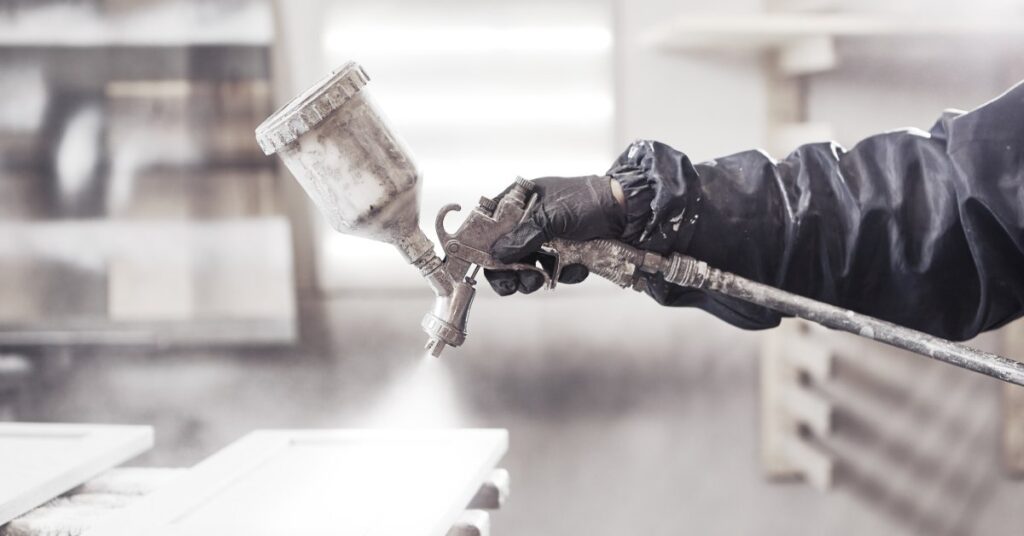
Every paint operation deals with some level of overspray. Even the most skilled team, the best spray booth layout, and the most controlled application process still produce waste. Paint misses the target surface, collects on booth walls, lands on filters, settles into cleanup areas, and mixes with solvent during tool and equipment washing.
Solvent recovery gives large-scale painting operations a practical way to control that waste. Instead of buying fresh solvent, using it once, and paying to haul it away, facilities can reclaim usable solvent on site and send less hazardous waste out the door. For operations that handle overspray every day, that shift can support cleaner workflows, lower purchasing needs, and stronger waste management practices. Here’s how to manage overspray waste with solvent recovery.
The Cost of Throwaway Solvent
A buy, use, and dispose process can drain money from a paint operation in several ways. The facility pays for new solvent. The facility pays to store and manage used solvent. The facility pays again when a disposal provider collects the waste. That pattern repeats as long as production continues.
The problem grows when a shop uses high volumes of solvent. Commercial painting, marine manufacturing, railcar refurbishment, and composite production can all create heavy cleanup demands. When teams clean frequently, solvent waste can become one of the most predictable and frustrating operating costs.
Disposal costs can also fluctuate. Waste hauling, transportation, labor, compliance steps, and fuel-related costs can all influence the final price. A facility that relies only on outside disposal accepts less control over those expenses.
Fresh solvent availability can create another challenge. When a team runs low, production may slow while workers wait for supplies. Managers may respond by keeping more solvent on hand, but larger inventories tie up cash and require safe storage practices. A recovery approach helps reduce that dependence because the facility reuses more of the solvent already on site.
How Recovery Helps
Solvent recovery separates usable solvent from the paint solids and contaminants that collect during cleanup. Many systems use distillation. The equipment heats contaminated solvent, turns the solvent into vapor, and then condenses that vapor back into liquid form. The contaminants remain behind, and the recovered solvent can return to many cleaning tasks.
That process fits overspray management because spray operations often generate solvent waste with recoverable value. A drum of dirty solvent may look like a disposal problem, but much of that liquid may still contain reusable solvent. Recovery helps the facility capture that value before it leaves the building.
Solvent recycling machines can support this process on site, which gives teams more control over daily cleanup needs. Instead of waiting until drums fill and arranging another pickup, operators can process spent solvent and return recovered material to the workflow. That approach can reduce the volume of waste that needs outside handling.
Recovery doesn’t eliminate every waste responsibility. Paint solids and residue still need proper management. However, the facility sends out less liquid waste because the reusable solvent stays in circulation longer. That difference can make overspray cleanup feel less like an endless disposal loop.
Better Booth Cleanup
Spray booths need regular cleaning to support consistent work. Overspray buildup can affect airflow, visibility, cleanliness, and the overall work environment. When workers have enough clean solvent available, they can keep tools and surrounding areas in better condition without treating every cleanup cycle as a fresh hit to the budget.
Recovered solvent often works well for many routine cleaning jobs. Teams may use it for first-pass cleaning, tool rinsing, and residue removal before final finishing steps. That use helps stretch fresh solvent supplies and reserves new material for the tasks that need the cleanest chemistry.
This approach can also support better habits. When solvent feels scarce or expensive, workers may delay cleaning or try to stretch dirty solvent too far. That can lead to clogged equipment, poor spray patterns, longer cleanup times, and inconsistent results. When recovery keeps usable solvent available, teams can clean on schedule and keep production moving.
Cleaner Equipment Flow
Spray equipment performs best when workers clean it consistently. Dirty spray guns, lines, nozzles, and pumps can affect atomization, flow, and finish quality. Even small deposits can create rework, delays, and material waste.
A solvent recovery process helps teams maintain a steadier cleaning routine. Workers can collect contaminated solvent after equipment cleaning and move it into the recovery cycle. Once the system processes the solvent, the facility can reuse recovered liquid for appropriate cleaning needs.
This loop can reduce the pressure to ration solvent or delay maintenance. It also helps teams keep dirty solvent from spreading through the shop. Instead of letting contaminated containers linger near workstations, operators can direct spent solvent into a defined recovery workflow.
That structure matters in busy shops. A clear process helps workers know where dirty solvent goes, how recovered solvent returns to use, and when residue needs disposal. The result feels more organized and easier to manage than a scattered collection of waste drums and half-used containers.
Less Waste Leaving
Overspray waste can create a heavy disposal burden when facilities send out solvent-heavy drums. Recovery reduces that burden by removing usable solvent from the waste stream before disposal. The remaining residue takes up less space than the original liquid waste, which can help reduce the frequency or volume of outside pickups.
This benefit can support environmental goals without forcing the operation to slow down or overhaul its coating process. The facility still paints, cleans, and maintains equipment. It just changes what happens after solvent becomes contaminated.
Many manufacturers want practical sustainability improvements that also make financial sense. Solvent recovery fits that goal because it reduces waste while supporting day-to-day operations. The facility buys less new solvent, ships out less liquid waste, and keeps more value inside the plant.
That combination can appeal to environmental managers, safety managers, plant leaders, and purchasing teams. Each group sees a different benefit, but the core value stays the same. Recovery helps the operation manage overspray waste with more control.
Stronger Inventory Control
Solvent availability affects production planning. When a facility depends completely on fresh solvent deliveries, any purchasing delay or supply issue can disrupt the cleaning process. Teams may keep extra drums on site to avoid that problem, but extra inventory requires space and cash.
On-site recovery can reduce that pressure. When the facility reclaims solvent from overspray cleanup and equipment washing, workers can draw from a more consistent internal supply. The operation still needs fresh solvent at times, but it may not need to purchase at the same pace.
Inventory control also supports cleaner storage areas. Fewer fresh solvent drums and fewer waste drums can improve organization. Workers can move more efficiently, and managers can track materials with less confusion.

Practical Floor Benefits
The best waste management improvements fit into real production environments. Paint operations already move quickly, and workers don’t need complicated processes that slow them down. A good recovery setup should support the workflow instead of competing with it.
Facilities can place recovery equipment where it makes sense for solvent collection and reuse. Operators can build simple routines around filling the unit, starting the cycle, collecting recovered solvent, and handling residue. Clear responsibilities help the team keep the process consistent.
The payoff shows up in daily work. Workers spend less time dealing with dirty solvent containers. Managers face fewer emergency solvent orders. The shop can reduce waste volume without adding a complex new department. Cleanup becomes part of a controlled loop instead of a constant disposal problem.
When Recovery Makes Sense
Solvent recovery makes the most sense when a facility uses enough solvent to justify the equipment and process. A shop that only creates small amounts of solvent waste may not see the same benefit as a commercial operation that fills drums every month. Volume drives the opportunity.
Operations that clean spray equipment daily, run multiple booths, coat large parts, or manage heavy overspray should take a close look at recovery. Cabinet manufacturers, boat builders, composite manufacturers, commercial paint shops, and railcar refurbishment teams often fit that profile.
The type of solvent, contamination level, production schedule, and cleanup process all influence the best setup. Managers should review how much solvent the facility buys, how much waste leaves the site, and how often teams clean equipment. Those numbers can show whether recovery belongs in the waste management plan.
A facility should also consider labor and maintenance needs. The right system should feel practical for the team that will use it. When workers can operate equipment with confidence, recovery becomes part of the routine instead of a side project.
A Smarter Waste Loop
Overspray won’t disappear from industrial painting, but facilities can manage it with solvent recovery. Every gallon of contaminated solvent carries a cost, and every drum of waste leaving the site represents material the operation already paid for. Solvent recovery helps facilities capture more value from that material.
For painting operations that deal with daily overspray, recovery can support cleaner equipment, steadier solvent access, lower waste volume, and better purchasing control. It also helps teams build a more organized process around one of the messiest parts of production.