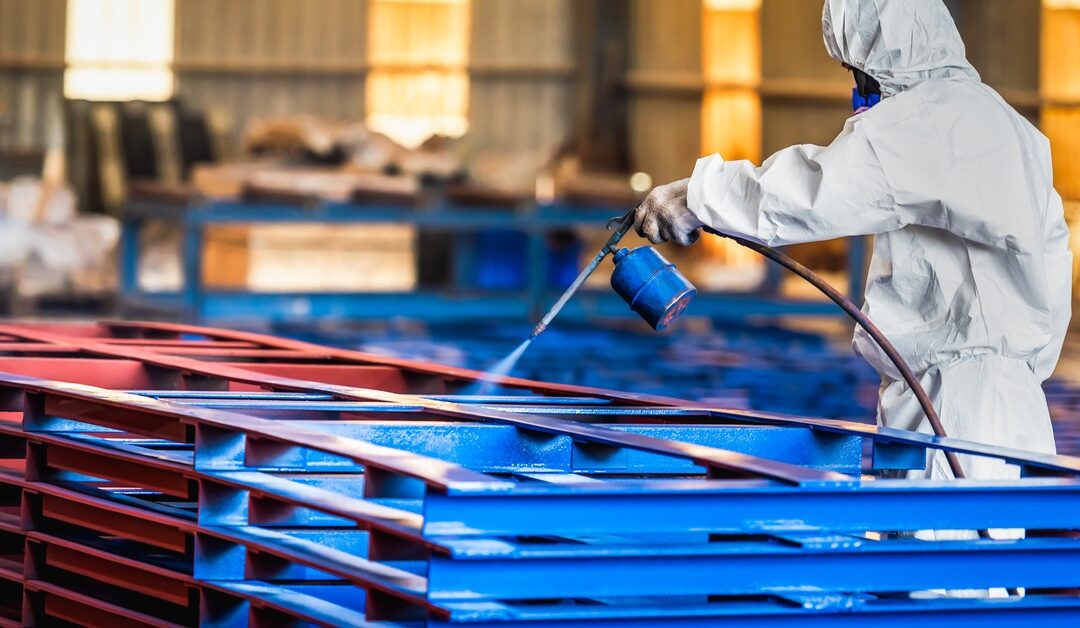
Industrial paint systems depend on steady material flow and clean equipment. Solvents support many of those tasks, especially during flushing and equipment cleaning. When a facility uses more solvent than the process requires, costs rise quickly, and waste volumes increase accordingly.
A more efficient approach begins by identifying where solvent enters the process and where teams lose it. Paint operations can often improve solvent use without slowing production or altering the finish process. Better handling practices and stronger recovery habits can help facilities reduce avoidable consumption while keeping paint lines productive. These ideas will help you optimize solvent use in your industrial paint system.
Track Solvent Through the Paint Process
Teams can’t optimize solvent use until they know where the solvent goes. A paint system may consume solvent during gun cleaning, line flushing, tank cleaning, or batch changes. Each step creates a distinct waste stream and may offer a different opportunity for reuse.
Start by determining how much solvent each process consumes during a typical production period. Compare that usage with the amount of spent solvent the operation collects. Those numbers can indicate whether operators use more solvent than necessary or whether the facility loses recoverable material somewhere in the workflow.
Consistent tracking also helps managers spot changes over time. If solvent use rises while production remains steady, the team can investigate the cause. A leak or a longer cleaning cycle may explain the increase.
Standardize Cleaning Practices
Paint operations often use large volumes of solvent during cleaning. If your facility hasn’t defined a clear process, operators may develop different habits. One employee may use a small amount for a flush, while another may continue rinsing far longer.
A standard cleaning procedure can reduce that variation. Set practical solvent quantities for common cleaning tasks and train operators to follow the same sequence. Teams should match the cleaning method to the equipment and coating involved instead of treating every cleanup the same way.
Standardization will give managers a reliable baseline for improvement. It also makes unusual solvent use easier to identify because unexpected changes stand out faster.
Separate Solvent Waste Streams
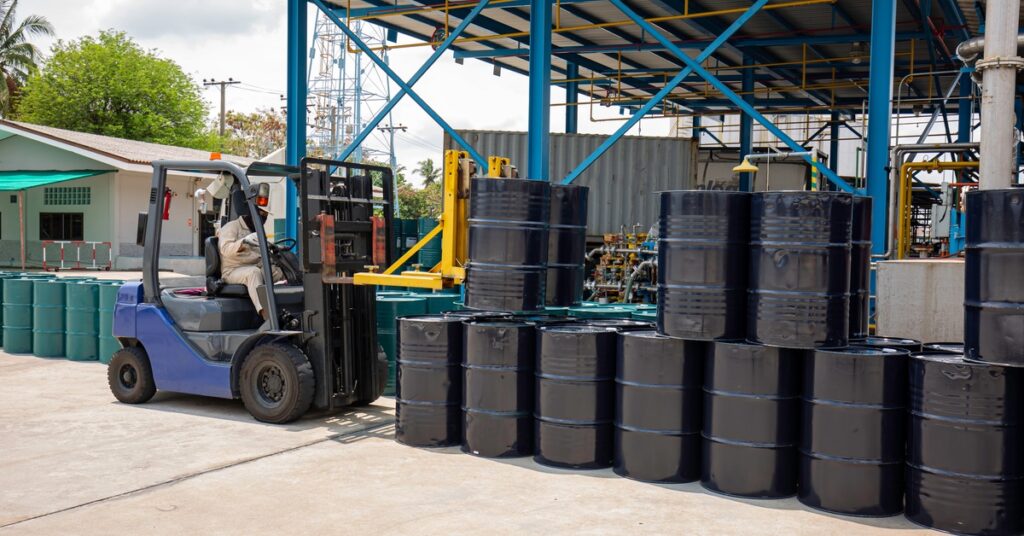
Facilities often gain more value from solvent when they keep waste streams organized. Mixing different solvents or contaminants can make recovery more difficult. It may also reduce the usefulness of the reclaimed solvent after processing.
Operators should collect compatible solvent waste according to the facility’s process requirements. Designated collection points can help the team keep materials separated, while clear labels can reduce mistakes during busy production periods.
This approach supports more predictable recovery results. It can also help the facility decide where reclaimed solvent will provide the most value.
Recover Solvent On Site
Once a facility establishes a consistent collection process, solvent recovery systems can help return spent material to productive use. These systems use distillation to heat contaminated solvent and separate it from unwanted residue. The system then condenses the solvent back into liquid for suitable reuse.
On-site recovery can change how a paint operation manages purchasing and waste. Instead of sending every batch of spent solvent off-site, the facility can reclaim usable material within its own workflow. That approach can reduce the need to purchase new solvent while lowering the volume of hazardous waste requiring off-site disposal.
The value increases as solvent use rises. High-volume paint operations generate spent material frequently, so repeated recovery can yield meaningful savings over time. Facilities should compare solvent usage with disposal costs when evaluating the financial impact.
Match Recovery Capacity To Demand
A recovery unit works best when its capacity matches the operation. A system that handles too little material may create a backlog of spent solvent. A unit that greatly exceeds normal demand may not align with the facility’s workflow or budget.
Managers should look at average solvent volume rather than focusing solely on peak use. They should also consider how often the team can run recovery cycles. Production schedules may favor frequent, smaller batches or less frequent, high-volume processing.
Matching equipment to real demand helps a facility keep recovery practical. It also keeps spent solvent moving through the process instead of sitting in storage while operators wait for enough material to run a cycle.
Reduce Solvent Loss During Handling
Not all solvent loss comes from cleaning or disposal. Poor handling can also increase consumption. Open containers can cause unnecessary evaporation, and careless transfers can lead to spills or leftover material that never returns to the process.
Facilities can reduce these losses by tightening daily handling practices. Operators should close containers promptly and use transfer methods that minimize spills. Teams should also use designated routes so employees know where each solvent stream belongs.
A facility gains less from recycling if workers lose usable solvent before collection. Better control throughout the process helps protect the value of every gallon.
Coordinate Solvent Use With Production
Production planning can influence solvent demand more than many teams realize. Frequent color changes or short production runs may require repeated flushing. Those cleaning cycles can increase solvent consumption even when operators follow efficient procedures.
Paint departments can reduce unnecessary flushing by grouping compatible jobs when production requirements allow. Longer runs may also reduce the number of full cleanouts across a shift. Managers should balance solvent reduction with coating requirements and customer specifications.
Coordination between production and paint teams can make these changes easier. When schedulers understand the cleaning cost tied to frequent changeovers, they can consider solvent use during planning instead of treating cleanup as a separate issue.
Reuse Recovered Solvent Strategically
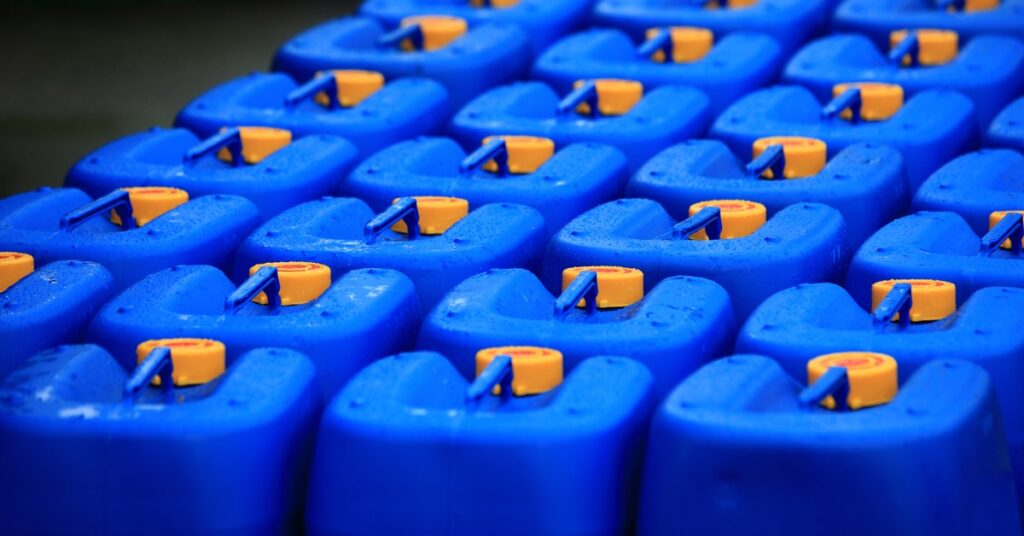
Recovered solvent doesn’t need to return to every application. Your facility can often gain more control by assigning reclaimed material to processes that fit its quality requirements. Equipment cleaning may provide one practical reuse path in many operations.
Managers should define where recovered solvent can enter the workflow and where fresh solvent remains necessary. That decision helps operators use reclaimed material consistently and prevents informal reuse practices from creating confusion on the paint floor.
A clear reuse plan turns recovery into a routine production process. The team knows where to collect spent solvent and where to direct the recovered material afterward.
Review Performance Regularly
Solvent optimization works best as an ongoing operating practice. Usage can change when production volume shifts or new coatings enter the facility. Equipment changes can also alter cleaning requirements.
Managers should compare fresh solvent purchases with recovery volume over time. Disposal output offers another useful indicator. These reviews can show whether the current process reduces waste or whether a new source of excess consumption has appeared.
When facilities treat solvent as a reusable process material instead of a disposable supply, they gain more control over cost and waste. That mindset supports better purchasing decisions and more disciplined paint operations.
Build a More Efficient Solvent Strategy
Industrial paint systems use solvent for necessary work, and reducing waste is important for every facility. Facilities can improve performance by tracking usage, tightening cleaning procedures, controlling collection, and recovering usable solvent for another cycle.
The strongest approach connects daily operator practices with broader production planning. When teams manage solvent from purchase through recovery, they reduce avoidable waste without adding unnecessary complexity to the paint process.
Solvent recovery systems can support that strategy by giving high-use facilities a practical way to reclaim valuable material on site. For paint operations that consume large volumes, better solvent control can lower recurring costs and create a cleaner, more efficient workflow.