A busy finishing shop can’t let solvent waste pile up. Each cleaning cycle leaves solvent that paint residue can make difficult to reuse. Distillation offers a way to recover suitable solvent and reduce the need for fresh drums.
The bigger question comes when you choose the equipment. Should your facility use vacuum distillation or atmospheric distillation? Both methods separate solvent from contaminants, but they take different approaches to pressure and heat. Their strengths help you match equipment to your workload.
How Each Method Works
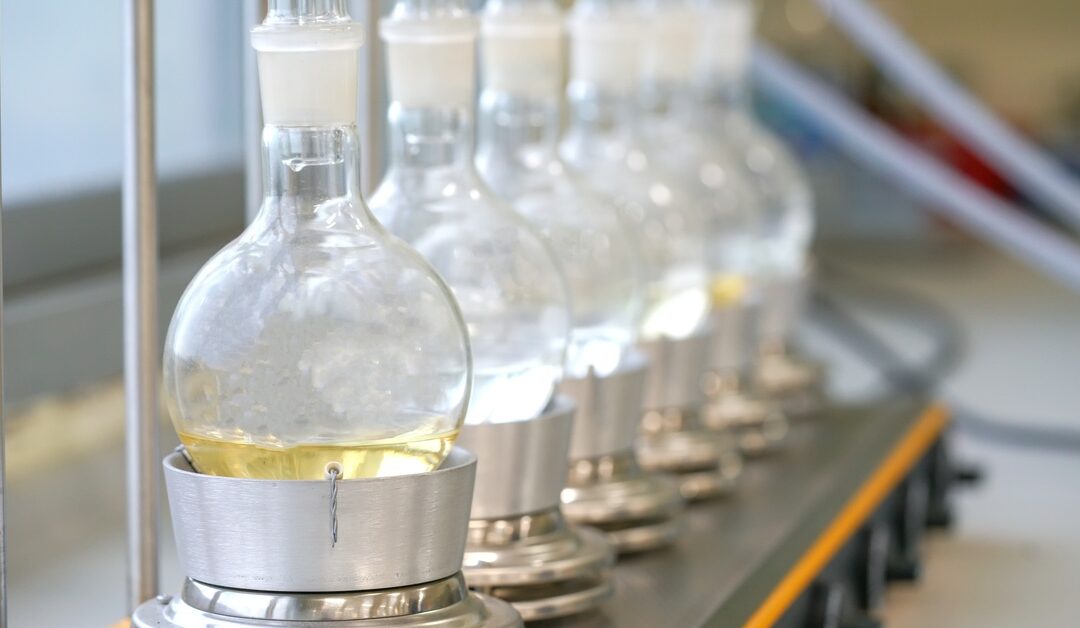
Both methods heat contaminated solvent until the recoverable portion vaporizes. A condenser then cools the vapor back into liquid, leaving much of the heavier residue in the distillation tank. Operators can collect suitable solvent for reuse.
Atmospheric distillation operates at roughly the pressure of the surrounding air. Vacuum distillation lowers the pressure inside the equipment, allowing the solvent to boil at a lower temperature. Pressure changes operating requirements, but neither approach suits every shop. Solvent composition and cleaning needs should guide the decision.
What Vacuum Does Well
Lower operating temperatures give vacuum distillation its biggest advantage. Some solvents need substantial heat at atmospheric pressure, while certain contaminants react poorly to it. A vacuum system can bring the liquid to a boil sooner in the heating process without reaching the same high temperature.
That can protect heat-sensitive streams and limit deposits from prolonged heating. It may recover higher-boiling solvents that challenge atmospheric units. Lower pressure alone doesn’t guarantee cleaner solvent. It also doesn’t remove solvent fire hazards or replace proper operating procedures.
Vacuum Tradeoffs
Vacuum capability adds components that a basic atmospheric setup may not need. Pumps and seals maintain reduced pressure, and operators must care for them. A leak can weaken the vacuum and change how the batch performs.
Those additional requirements may raise the purchase price or service costs. Vacuum equipment also uses power to maintain the pressure difference, so lower boiling temperatures don’t automatically mean lower total energy bills. For easy-to-distill solvents, the extra complexity may offer little benefit.
Why Atmospheric Appeals
Atmospheric distillation offers a straightforward option when a solvent boils at a manageable temperature. The unit heats the batch without relying on a vacuum system to reduce pressure. That arrangement can simplify upkeep for shops with consistent waste streams.
A lower initial equipment cost may also appeal to facilities that want to begin recovering solvent on-site. If atmospheric operation delivers the recovery quality your cleaning process needs, paying for vacuum capability may not improve your results enough to justify the expense. Simplicity becomes a practical advantage when the chemistry already works in your favor.
Atmospheric Limitations
The drawback appears when a solvent needs more heat than the waste stream can tolerate. Higher temperatures can encourage certain residues to thicken or form stubborn deposits. Operators may spend more time cleaning the tank, and excessive thermal exposure can affect some materials before recovery finishes.
Atmospheric units also have less flexibility when a facility changes to a higher-boiling solvent. The original setup may work beautifully for one mixture yet struggle with another. Before choosing an atmospheric design, consider the full range of solvents your crews use rather than the easiest batch on the production floor.
What About Acetone?
Acetone boils at about 56 degrees Celsius under normal atmospheric pressure, so it doesn’t need extreme temperatures to vaporize. That makes atmospheric recovery a reasonable option for some acetone waste streams. Vacuum assistance can still offer value, particularly when the equipment combines lower-temperature operation with features that support a busy cleaning schedule.
For example, Solvent Waste Management’s SW 55 acetone recycler uses vacuum assistance and an automatic feed feature. The unit processes up to 55 gallons per batch and helps operators manage larger amounts of contaminated solvent on-site. That doesn’t mean every acetone user needs vacuum equipment. The right fit depends on daily volumes and the contaminants that enter the tank.
When Residue Changes the Equation
Paint shops rarely send perfectly uniform liquid to recovery equipment. One batch may contain a modest amount of dissolved coating, while another brings in heavy solids from equipment cleanup. Those differences influence how much usable solvent the unit can recover and how easily operators can remove the leftover material.
Vacuum operation may help when high temperatures create problems for a particular residue. However, pressure reduction can’t solve every issue with thick waste or incompatible ingredients. Shops should review feed composition and follow manufacturer limits. A suitable tank design and practical cleanup routine remain important under either method.
Comparing Energy Use
It’s tempting to choose vacuum distillation because lower boiling temperatures sound cheaper. Heating requirements do change with pressure, but overall energy use depends on more than the thermometer. The amount of solvent in each batch and the equipment’s operating design both affect the final cost.
A vacuum pump consumes energy, while an atmospheric unit may need more heating for certain mixtures. Cooling requirements also influence the result. Ask the equipment provider for operating information that reflects your solvent and batch size. Comparing energy per gallon of reusable solvent offers a clearer picture than comparing temperatures alone.

Maintenance During a Busy Week
Neither method eliminates routine care. Operators must manage residue and watch for changes in recovered solvent quality. A clean distillation tank helps the next batch run as expected, regardless of the pressure inside the equipment.
Atmospheric systems may offer fewer vacuum-related service tasks. Vacuum units require attention to their pressure-producing components, although individual models differ in maintenance needs. For the SW 55, accessible tank features and disposable high-temperature bags help with routine residue removal. Before purchasing, ask who will perform daily checks and how long normal cleanup takes.
Recovery Quality Comes First
A shop doesn’t save much by recovering solvent that can’t do its intended job. The material must meet the cleaning task’s requirements, whether workers use it for an initial equipment rinse or another approved application. Distillation pressure alone doesn’t determine that result.
Review batch ingredients and check whether the recovered liquid meets your needs. Some mixtures require extra separation steps or won’t produce suitable solvent through simple distillation. A representative waste sample and a realistic recovery assessment can help you avoid choosing equipment on assumptions.
Look Beyond the Purchase Price
Equipment cost deserves attention, but so does the amount of fresh solvent your shop buys each month. Include remaining waste disposal expenses when comparing the two methods. A unit that recovers suitable solvent consistently may improve the budget even if it costs more upfront.
On the other hand, a more complicated design doesn’t guarantee a better return. Compare expected recovery volume against energy use and routine maintenance. Think about how often your crew can run batches without interrupting cleaning work. The useful number is what each gallon of reusable solvent costs your operation over time.
Choose for Your Daily Work
Vacuum and atmospheric distillation each have a place in industrial solvent recovery. Atmospheric equipment can offer a simpler route for compatible, lower-boiling mixtures. Vacuum assistance brings lower processing temperatures and may help facilities manage tougher solvent streams.
Start with your solvent and daily waste volume. Then define the purity your cleaning process needs. Solvent Waste Management can help you review whether its recovery equipment suits those demands.
The goal isn’t to choose the more complicated technology. It’s to keep usable solvent moving through your operation without adding unnecessary work.