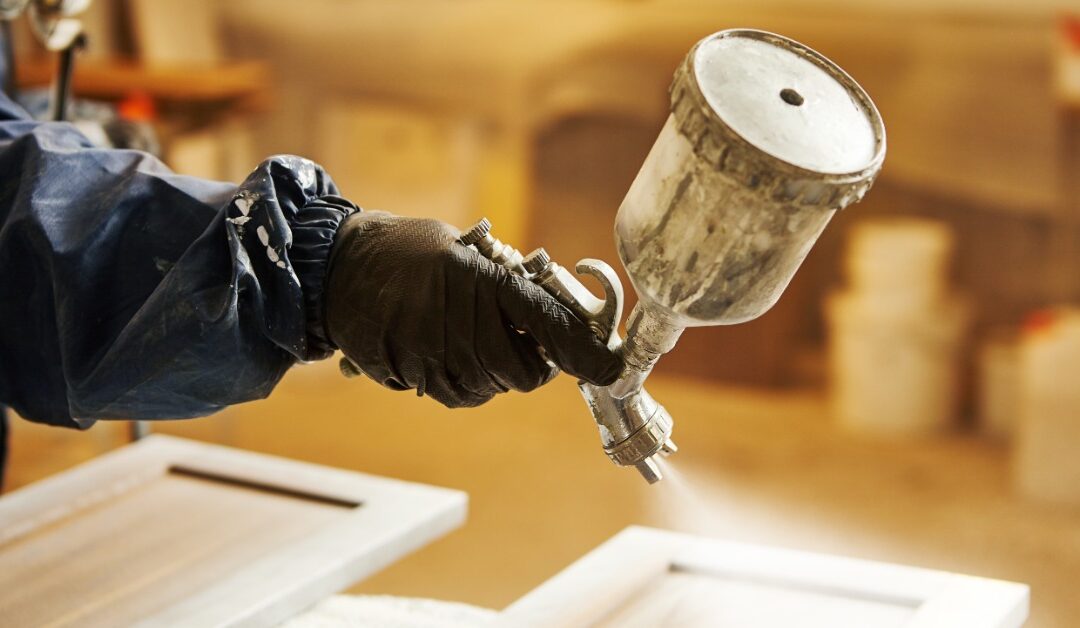
Acetone can disappear into the rhythm of a busy coating line. Cabinet shops, boatbuilders, composite manufacturers, commercial paint facilities, and railcar refinishers may draw it for line flushing, spray-equipment cleaning, and color or product changes. Every cleaning cycle can send valuable solvent toward a waste drum, especially when crews work fast, and collection practices vary.
That routine creates two expenses at once. The facility buys fresh acetone, then pays again to store, handle, and remove contaminated solvent. A stronger process treats acetone as a reusable production input and controls each gallon from delivery through recovery. Continue reading to explore ways you can reduce acetone waste in high-volume coating.
Trace Every Gallon
Waste reduction starts with a clear picture of acetone use. Production managers should track purchases, daily withdrawals, cleaning events, waste transfers, and disposal volumes by line or work area. Monthly totals alone won’t show which shift, coating system, or cleaning step drives the highest losses.
A simple mass-balance review can reveal gaps. Compare purchased volume with logged withdrawals, recovered output, waste shipments, and estimated handling losses. When the numbers don’t align, inspect open containers, overfilled cleaning stations, excessive flushing, and mixed waste streams.
Separate Waste Streams
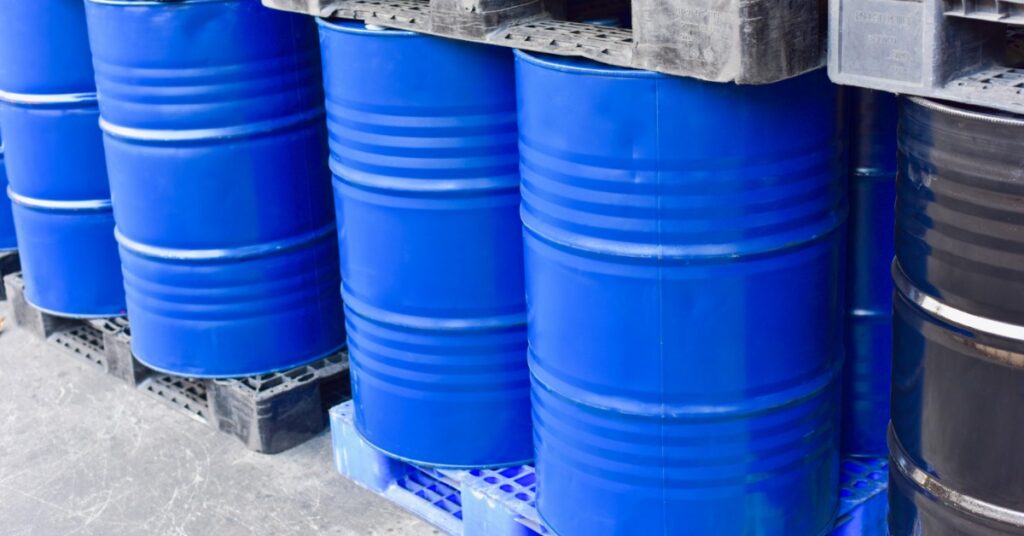
Clean segregation gives a recovery program a strong foundation. Operators should collect acetone separately from water, oils, incompatible solvents, and general shop waste. Mixed drums lower recovery quality, complicate processing, and increase the volume that requires off-site disposal.
Clear labels and dedicated containers help operators make the right choice during a busy shift. Place containers near each coating line, assign each container to a defined solvent stream, and train operators to close lids after every transfer. Supervisors should also prevent employees from using acetone drums as convenient catchalls for unrelated liquid waste.
Capture Acetone Early
Acetone evaporates quickly, so poor handling can erase savings before recovery begins. Operators should use closed containers, tight-fitting lids, and direct transfer methods whenever the process allows. Small changes at spray-gun cleaning stations and line-flushing points can reduce vapor losses and keep floors cleaner.
Teams should also review how much acetone each cleaning task consumes. A measured rinse often cleans equipment as well as an uncontrolled pour. Standard containers, timed flush cycles, and staged cleaning can reduce solvent use without slowing production or compromising coating quality.
Standardize Collection
A collection system needs more than drums and labels. Each shift should follow the same procedure for moving contaminated acetone from the point of use to a central storage or recovery area. Consistent handling limits cross-contamination and gives managers reliable volume data.
Assign responsibility for container checks, transfer logs, and housekeeping. Operators should report unusual color, viscosity, odor, or debris before combining batches. Early reporting helps the recovery team isolate problem loads instead of contaminating a full drum.
Recover Solvent on Site
An acetone recycling machine can turn collected solvent into a reusable resource through distillation. The machine heats contaminated acetone to its boiling point, directs the vapor through a condenser, and collects the condensed liquid for future use. Coating solids, pigments, resins, and other higher-boiling contaminants stay in the distillation tank.
On-site recovery reduces the amount of fresh acetone the facility needs to buy. It also lowers the volume that leaves the property as hazardous waste. The operation still needs a plan for concentrated residue, but the residue occupies far less volume than the original solvent stream.
Recovery also gives the facility more control over supply. Teams don’t need to wait for an outside processor to return usable solvent, and purchasing managers can reduce exposure to delivery delays. A steady recovery schedule keeps clean solvent available for approved cleaning and flushing tasks.
Match Capacity to Throughput
Machine capacity should follow waste generation, not rough guesses. Managers should calculate average weekly volume, peak production volume, batch frequency, available floor space, utility requirements, and operator coverage. A unit that runs constantly may create a bottleneck, while an oversized unit may tie up capital without improving the workflow.
For drum-scale operations, Solvent Waste Management’s Model SW 55 acetone recycling machine handles up to 55 gallons per batch. An automatic feed system moves contaminated solvent into the unit, and vacuum assistance lowers the solvent’s boiling temperature. An automatic timer ends the cycle, while temperature and pressure controls shut down the heater when operating conditions exceed set limits.
The unit also supports floor work. Operators can gravity-feed recovered solvent into a 55-gallon drum, and a tapered stainless steel tank with disposable high-temperature bags simplifies residue removal. A compact footprint can help facilities add recovery without surrendering a large production area.
Protect Solvent Quality
Recovered acetone needs a defined use plan. Quality managers should identify which cleaning, flushing, or preparation tasks can use recovered solvent and which tasks require virgin material. A written standard prevents inconsistent decisions across shifts.
Teams can check each batch for clarity, color, odor, and process-specific performance before releasing it. Some operations may also use simple analytical checks that match their coating requirements. When operators track feed composition and recovered output, they can connect quality changes to a source drum or production event.
A staged-use strategy can stretch each gallon further. A facility might reserve cleaner recovered acetone for final rinses and use lower-grade solvent for first-pass cleaning. The coating process and product requirements should drive those decisions.

Measure the Return
A useful financial review includes more than the purchase price of an acetone recycling machine. Managers should compare current acetone purchases, hazardous waste hauling, drum handling, storage, labor, energy, consumables, residue disposal, and expected recovery volume. The calculation should use the facility’s own invoices and production records.
Track recovered gallons and avoided purchases after startup. Also track labor hours, cycle frequency, residue volume, and maintenance costs. These numbers show whether the process meets its target and where the team can improve scheduling or collection.
Recovery rate alone doesn’t tell the full story. Cleaner segregation may raise output quality, while tighter lids may reduce the amount available for recovery because less acetone evaporates. The best scorecard connects solvent use, waste volume, recovered output, and total cost per production unit.
Strengthen Daily Safety
Acetone handling requires disciplined procedures from the coating line through the recovery area. Facility leaders should align storage, transfer, ventilation, grounding, personal protective equipment, spill response, and fire protection with the acetone safety data sheet, equipment manual, local fire code, and site procedures. Operators also need training on the machine’s controls, shutdown steps, and cleaning procedure.
Closed-loop equipment can reduce routine exposure during recovery, but equipment can’t replace good housekeeping. Teams should remove residue on schedule, inspect hoses and connections, keep ignition sources away, and document operating problems. A clean, organized recovery area supports safer work and more consistent batches.
Build Lasting Results
High-volume coating facilities don’t reduce acetone waste through one purchase or one policy. They succeed when production, environmental, safety, maintenance, and purchasing teams manage the same solvent stream with shared goals. Better collection protects recovery quality, better handling limits evaporation, and reliable data guides investment decisions.
Solvent Waste Management builds and supports solvent recovery equipment in Texas for industrial operations across the country. Talk with the team about your acetone volume, contamination profile, cleaning needs, and floor workflow. A review can identify the right capacity and operating approach. When your coating operation controls acetone from first use through final residue disposal, waste reduction becomes part of daily production instead of an occasional cleanup project.