
Every production floor runs on timing. When solvent use slows a process, the delay rarely stays contained. It spreads into cleaning cycles, material prep, paint work, finishing schedules, and shipping windows. A small disruption can become a missed day, a backed-up line, or a crew waiting for supplies.
That’s why more manufacturers view solvent handling as an operations issue rather than a routine purchasing task. The old habit of using solvent once, storing waste, ordering more, and waiting for outside pickups creates friction at several points throughout the workday. On-site solvent recovery changes that pattern by reducing downtime. It gives teams a way to reclaim usable solvent where the work happens and keep production moving with fewer interruptions.
Downtime Starts With Small Delays
Most downtime doesn’t start with a dramatic machine failure. It begins with smaller problems that accumulate over time. A shop runs low on clean solvent before the next delivery arrives. A team pauses work because dirty solvent no longer cleans parts or equipment effectively. Waste drums take up floor space and require additional handling. Staff stop what they’re doing to manage storage, labeling, and disposal.
In industries that use solvent daily, those interruptions add up quickly. Cabinet manufacturers, boat builders, composite fabricators, railcar refinishers, and commercial paint operations often rely on a steady supply of clean solvent to maintain flow between stages. When that supply becomes inconsistent, crews lose momentum. Managers then spend time reacting to shortages instead of focusing on output, quality, and deadlines.
Why Off-Site Disposal Slows Production
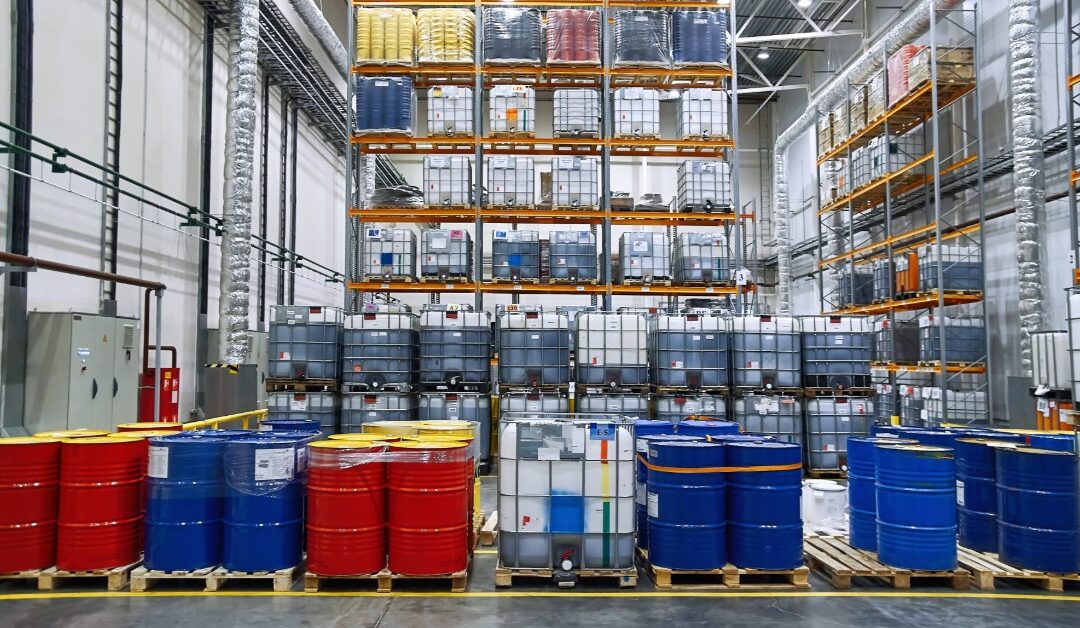
Many companies still rely on a simple yet costly cycle. They buy new solvent, use it, store the spent material, and pay to have it hauled away as hazardous waste. That approach may feel familiar, but it creates operational drag.
First, it ties production to external schedules. Deliveries can shift. Companies can delay pickups. Disposal coordination can take time away from core work. Second, it increases the number of touchpoints required to keep operations moving. Someone has to monitor inventory, reorder solvent, manage waste accumulation, and handle vendor communication. Third, it forces companies to buy new material more often than needed.
None of that helps a busy facility stay efficient. When a process depends on a solvent every day, a system built around waiting on outside service creates avoidable risk.
Recovery Keeps Solvent Close to the Work
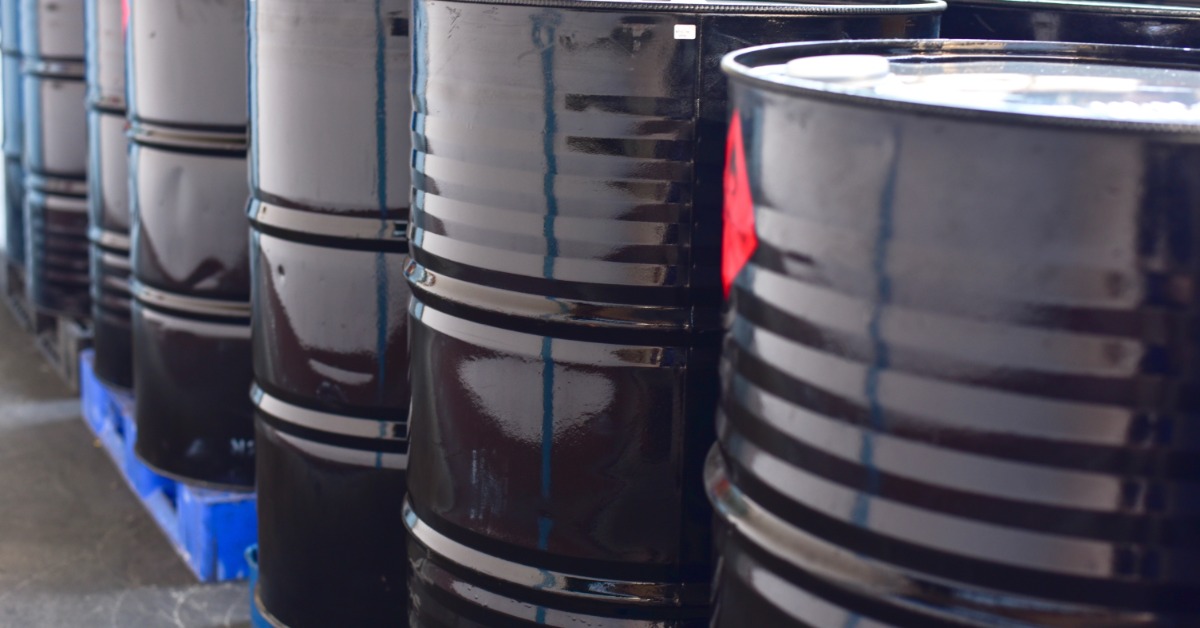
On-site recovery changes the rhythm of production by giving the plant more control. Instead of treating used solvent as immediate waste, teams can recover and reuse it through distillation. That process separates usable solvent from contaminants, allowing it to return to service.
The value extends beyond material savings. Ready access to reclaimed solvent helps reduce work stoppages caused by supply gaps. Teams can clean spray guns, tools, parts, and production equipment without waiting for new inventory. Managers gain more predictable control over a resource they use daily. The operation becomes less dependent on external timing and more responsive to real production needs.
That’s where solvent recycling systems can make a measurable difference in the daily pace of manufacturing. They support a more reliable solvent supply while also cutting down on waste handling and replacement purchases.
Faster Turnaround Across the Floor
Production downtime often hides in transition time. A painter may wait for clean solvent before switching colors. A fabrication team may need solvent for surface preparation before the next run. Maintenance staff may need it to clean parts and equipment before restarting a machine. When clean solvent isn’t available, the next step stalls.
On-site recovery helps shorten those transitions. Recovered solvent remains available closer to the point of use, making it easier for crews to stay on task. Shops don’t have to stretch dwindling supplies or shuffle work around a delayed delivery. They can keep materials moving through prep, cleaning, coating, and finishing with fewer interruptions.
That kind of steady access matters most in high-usage environments. When a facility goes through several drums a month, the gap between running smoothly and falling behind can get very small. A more dependable solvent supply helps protect the schedule.
Less Waste Handling Means Less Lost Time
Waste handling takes labor. Someone has to move containers, manage storage areas, coordinate pickups, and deal with disposal requirements. Those tasks matter, but they don’t produce revenue. They pull attention away from production.
On-site recovery reduces the volume of spent solvent leaving the facility as waste. That means fewer drums to store, fewer disposal events to coordinate, and fewer interruptions tied to waste management. It also reduces the constant cycle of bringing in new solvent and sending out old solvent.
For operations leaders, that shift matters because labor hours stop disappearing into tasks that only support the disposal chain. Teams can spend more time on output and less time responding to overflow, storage limits, or service schedules.
Reliability Matters More Than Extra Complexity
Some companies hesitate because they assume that adding equipment will create maintenance headaches. That concern is valid. No one wants to solve one form of downtime by introducing another.
That’s why equipment design matters. Production managers want equipment that operates safely, remains reliable, and is easy to use. They also want systems that last, require little maintenance, and don’t create additional demands on already busy teams.
When recovery equipment stays simple and dependable, it supports uptime rather than competing with it. That’s a major reason on-site recovery appeals to manufacturers who already run lean teams and tight schedules.
Better Control Over Inventory and Scheduling
Unpredictable solvent demand can create purchasing problems. Some facilities overbuy to avoid shortages, while others try to stretch inventory to reduce spending. Neither approach works well for long. Overstock ties up cash and floor space, and a short supply increases the risk of unplanned delays.
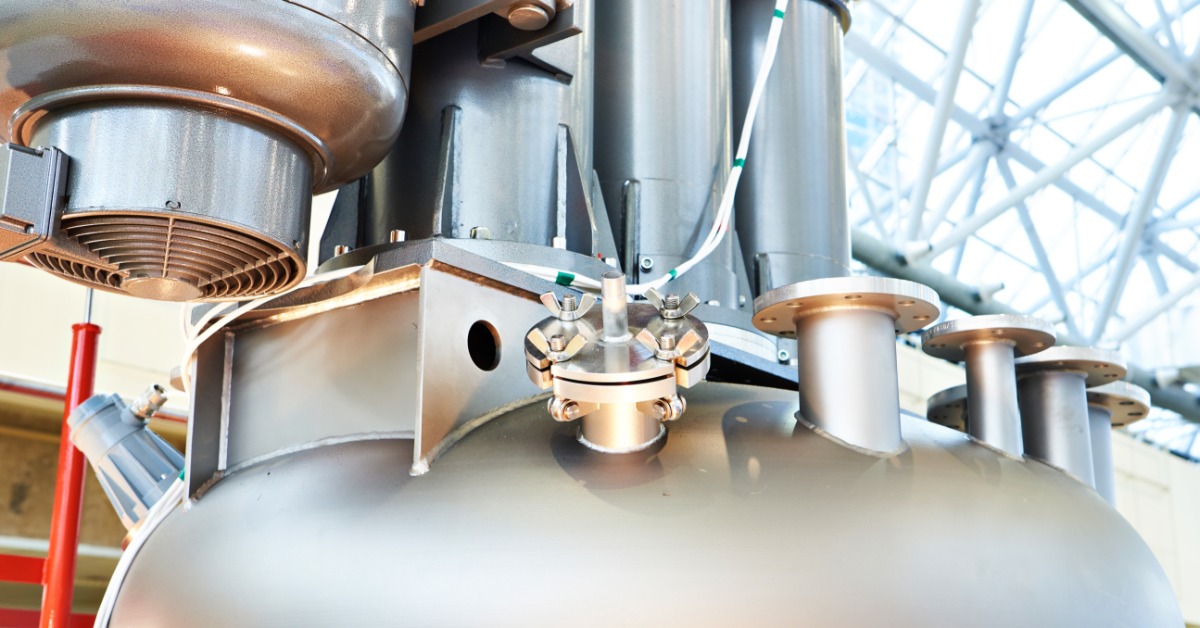
On-site recovery gives operations teams a stronger grip on inventory and scheduling. They can reuse materials they already paid for and reduce the pressure to time every order perfectly. That doesn’t eliminate the need for a new solvent, but it changes the buying pattern. Shops can rely less on rush orders and last-minute adjustments.
That control also makes planning easier. When managers know they have a more stable source of usable solvent on-site, they can schedule jobs with more confidence and less guesswork.
A Smarter Fit for High-Use Industries
The benefits of on-site recovery are easier to see in industries where solvents are integral to daily production. Cabinet shops need reliable cleaning and finishing processes. Boat and composite manufacturers use solvents for prep and cleanup across demanding production stages. Commercial paint operations and railcar refinishers often consume large volumes as part of routine work.
In each case, downtime carries a real cost. Crews can become delayed. Equipment sits idle. Delivery dates tighten. On-site recovery helps reduce those pressure points because it treats solvent as a reusable resource instead of a one-way expense. For companies with consistent usage, that shift can improve pace, reduce waste, and support stronger margins at the same time.
The Bottom-Line
Downtime always costs more than the visible delay. It affects labor efficiency, output, purchasing, waste disposal, and customer commitments. Companies that rely on solvent-heavy processes can’t afford to treat those costs as normal overhead.
On-site solvent recovery offers a practical way to reduce downtime. It helps keep clean solvent available, cuts dependence on outside disposal timing, lowers waste volume, and supports smoother production flow. For manufacturers that want more control over their operations, it turns a recurring pain point into a more manageable part of the process.
The strongest operations don’t just react when supplies run short or waste piles up. They build systems that keep work moving. On-site solvent recovery does exactly that. It helps reduce downtime at the source and gives production teams a better chance to stay on schedule, protect margins, and keep the floor running as it should.