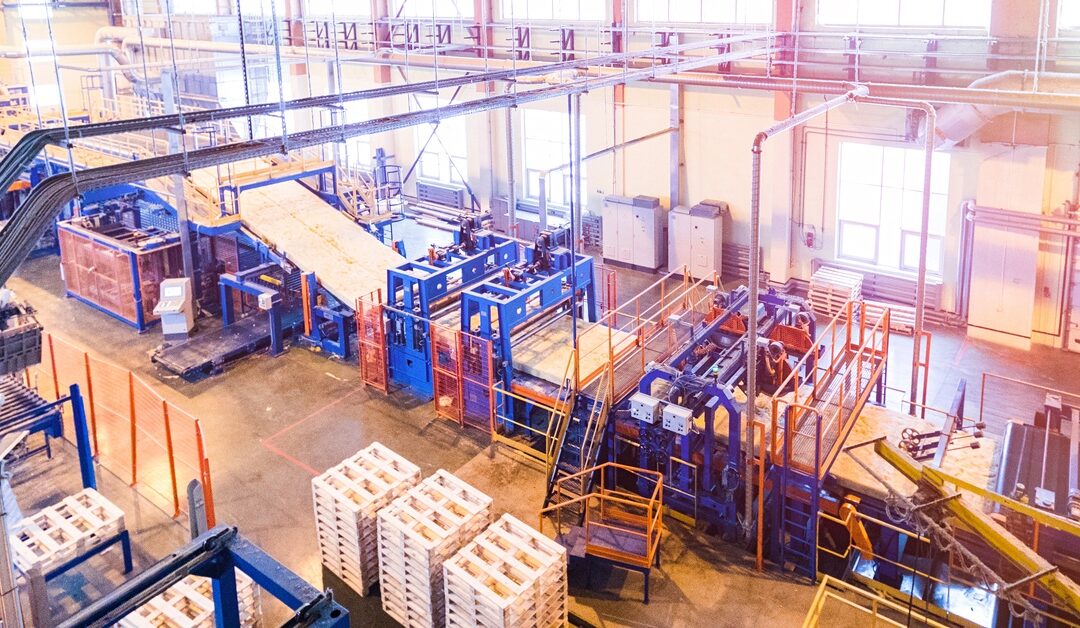
Fiberglass manufacturing moves fast. Crews mix, spray, roll, trim, clean, and reset throughout the day, and each step can place heavy demand on solvent supplies. When production stays steady, cleanup can generate a constant stream of contaminated solvent that your team must manage carefully.
That waste stream can quietly drain your budget. Every gallon of hazardous waste leaving your facility often represents money spent twice. You paid for the solvent, then paid again to remove it after one use.
Fiberglass shops need practical ways to control operating costs without slowing the production line. Solvent recovery enables fiberglass manufacturers’ lines to reuse valuable material, reduce disposal volume, and support a cleaner workflow on the production floor.
Solvent Demand Adds Up Fast
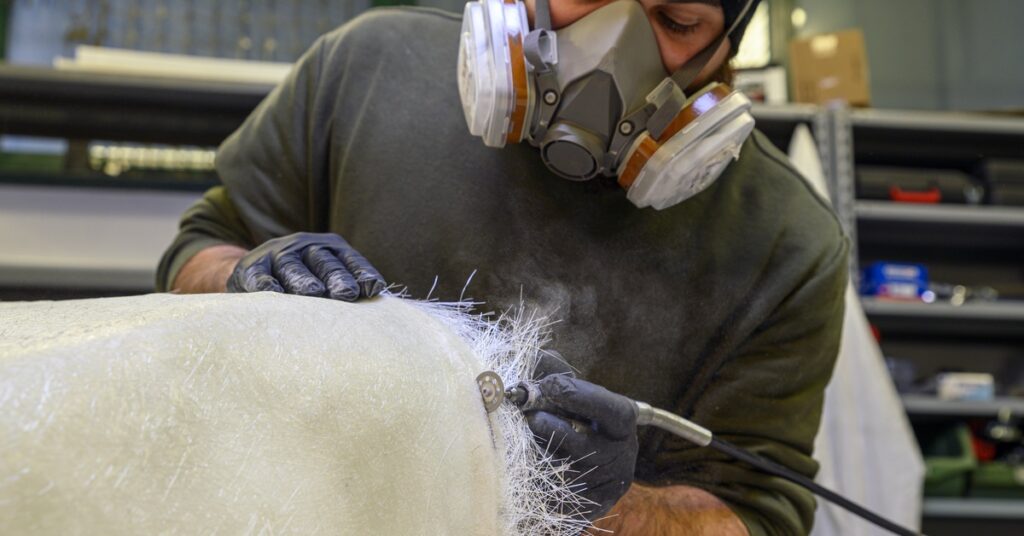
Fiberglass production often relies on solvents for cleaning tools, flushing equipment, wiping surfaces, and maintaining production areas. Resin, gel coat, adhesives, and other materials can leave residue that crews must remove before it hardens or affects the next job. This constant cleaning can use a large amount of solvent during a normal production week.
In a busy facility, solvent can move quickly through the shop. A team may use it at spray stations, layup areas, mixing zones, repair benches, and finishing departments. Each use can contaminate the solvent with resin, pigment, dust, oils, or other process materials.
Once the solvent loses cleaning strength, many shops move it into waste drums. That approach may feel familiar, but it creates a cycle that keeps adding cost. The facility buys new solvent, fills waste containers, schedules disposal, and repeats the same process month after month.
Recovery Supports Daily Production
Fiberglass lines depend on clean tools and predictable turnaround times. When rollers, spray guns, buckets, hoses, and fittings need attention, workers need solvent available without delay. A shortage can slow cleanup, extend changeovers, or push crews to use more material than necessary.
Solvent recovery systems help facilities build a more reliable solvent supply within the plant. These systems use distillation to separate reusable solvent from contaminants. The process heats the solvent, vaporizes it, condenses it back into liquid, and leaves residue behind.
Waste Drums Create Hidden Pressure
A full waste drum takes up space, adds handling steps, and requires proper labeling, storage, and pickup coordination. Fiberglass manufacturers already manage enough moving parts on the floor. Waste accumulation adds another layer of work that does not improve production output.
Hazardous waste disposal can also create scheduling pressure. If pickups lag production, drums can pile up and crowd valuable space. If the shop ramps up output, waste volume can grow faster than expected.
Solvent recovery helps reduce the amount of liquid waste leaving the facility. When a shop reclaims solvent on site, it sends less material for disposal. The remaining residue still requires proper handling, but the overall volume can shrink significantly.
Cleaner Workflows Help Crews Stay Focused
Fiberglass manufacturing requires careful attention to timing. Resin systems, cure windows, spray schedules, and finishing work each set their own pace. Cleanup needs to fit into that rhythm rather than fighting against it.
A steady recovery process can help crews avoid the scramble that comes with a limited solvent inventory. When workers know that recovered solvent can support routine cleaning, they can approach cleanup more consistently. That can improve housekeeping and help teams maintain tools before the buildup creates extra labor.
Better solvent control can also reduce unnecessary waste. When a new solvent seems unlimited, teams may use more than the task requires. When the facility tracks solvent use and recovery, managers gain a clearer view of how material flows through each department.
That visibility can reveal practical improvements. A shop might adjust cleaning stations, change collection habits, or improve how employees separate usable solvent from heavily contaminated material. Small changes can support better recovery results over time.
On-Site Recovery Reduces Repeat Buying
Solvent costs can frustrate manufacturers because they repeatedly strain the budget. A facility may purchase solvent frequently, even when much of the used material still contains recoverable value. Solvent recovery helps capture that value before it leaves the plant.
For fiberglass manufacturers, savings can come from several directions. The shop can buy less new solvent, reduce disposal volume, and lower the frequency of waste pickups. These improvements can make a noticeable difference for operations that use multiple drums each month.
A recovery machine also supports long-term planning. Rather than reacting to every price increase or supply disruption, the facility gains greater control over its solvent loop. Managers can forecast usage with greater confidence and reduce reliance on constant replacement orders.
Fiberglass Shops Need Practical Equipment
Manufacturing teams don’t want equipment that creates another complicated job. They need machines that fit the floor, support daily work, and make sense for the volume they process. The right recovery setup should match the facility’s solvent use, waste volume, and available space.
For larger fiberglass lines, batch capacity can affect the value of recovery. A unit that handles higher volumes can reduce the number of cycles required and support a steadier flow of reclaimed solvent. That can help shops with busy spray departments, large molds, or multiple workstations that generate solvent waste throughout the day.
Ease of use also counts. Operators benefit from clear controls, simple loading steps, and straightforward cleanout. When the process feels manageable, teams can make recovery part of the normal production routine instead of treating it like a side project.
Maintenance needs deserve attention, too. Fiberglass operations already maintain spray equipment, compressors, molds, cutting tools, and finishing systems. Recovery equipment should support the workflow without adding excessive service demands.

Recovery Fits Composite Manufacturing Goals
Many fiberglass manufacturers look for ways to reduce waste without sacrificing output. Customers, internal leadership, and environmental managers often expect cleaner processes and smarter resource use. Solvent recovery gives facilities a practical way to support those goals through daily operations.
Reusing solvent can reduce the demand for new solvent production, packaging, shipping, and storage. It can also reduce the amount of hazardous waste that requires off-site transportation. Those improvements connect directly to the way a facility buys, uses, and disposes of material.
The greatest advantage comes from combining environmental and financial value. A recovery program doesn’t need to slow production or rely on abstract benefits. It can help the facility reduce recurring costs while supporting more responsible waste management.
Better Control Starts With Usage
Before a fiberglass facility adds recovery equipment, managers should look closely at solvent volume. The key question centers on how much solvent the operation uses and discards each month. Higher usage usually creates stronger recovery potential because the facility has more material to reclaim.
Managers should also review where contamination comes from. Solvent that contains resin, gel coat, dust, pigment, or adhesive residue may still offer recovery potential, but each process can affect results. A clear picture of the waste stream helps the facility choose equipment and set expectations.
Collection habits can shape performance as well. Workers should avoid mixing incompatible materials whenever possible. Cleaner collection practices can help recovery equipment produce better solvents for reuse.
A shop can also assign recovered solvent to the right tasks. Some applications may require virgin solvent, while others can use reclaimed solvent with good results. Matching the solvent to the task helps the facility get more value from every recovered gallon.
A Smarter Path for Fiberglass Lines
Fiberglass manufacturing will always involve cleanup. Resin, coatings, and production residue come with the work. The real question is whether a facility keeps paying to replace and dispose of solvent or starts recovering value from material it already bought.
Solvent recovery gives fiberglass manufacturers a practical way to reduce waste, control supply costs, and support a cleaner production rhythm. It helps teams keep solvent available for routine cleanup while lowering the amount of hazardous waste that leaves the plant.