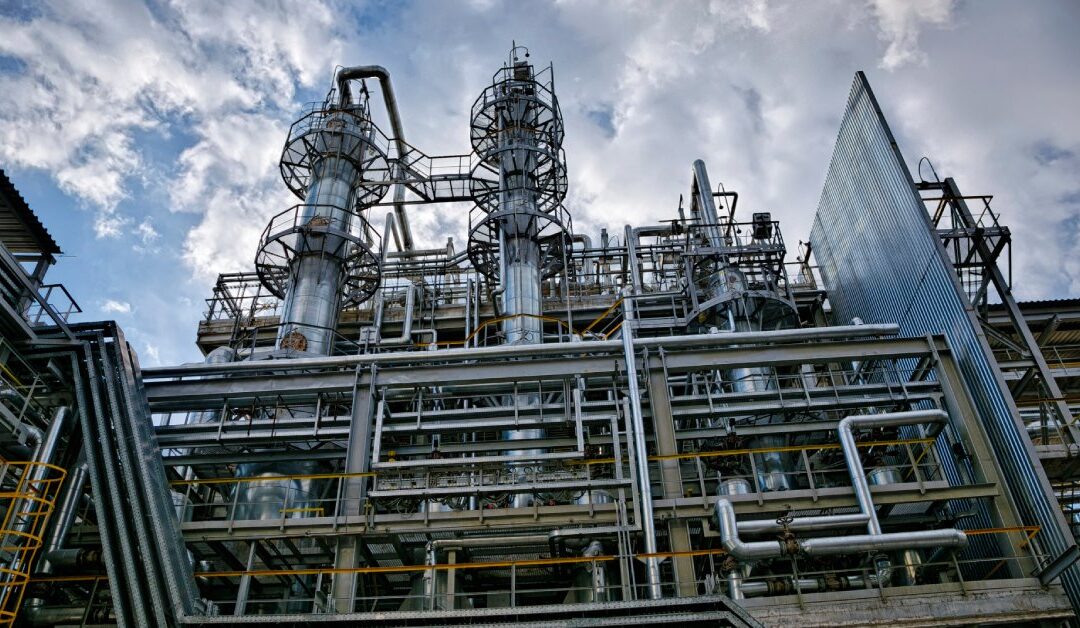
Manufacturing processes across countless industries rely heavily on solvents for cleaning, degreasing, and chemical reactions. These essential chemicals, however, create a significant environmental challenge when disposed of improperly. Traditional solvent disposal methods contribute to air pollution, groundwater contamination, and the accumulation of hazardous waste in landfills. Solvent recovery systems offer a powerful solution that transforms waste streams into valuable resources, significantly reducing environmental impact.
The concept of recovering and reusing solvents represents more than just an environmental initiative—it fundamentally changes how businesses approach their chemical waste streams. Rather than treating used solvents as costly disposal problems, companies can view them as recoverable assets that reduce both environmental footprint and operational expenses. This shift in perspective has made solvent recovery technology increasingly attractive to industries ranging from aerospace to pharmaceuticals.
Modern solvent recovery systems have evolved to handle complex mixtures and achieve purification levels that rival virgin solvents. Advanced engineering and automation capabilities enable these systems to operate continuously with minimal supervision, consistently delivering reliable results. The technology has matured to the point where recovered solvents often exceed the quality specifications of many industrial applications, making the business case for recovery systems increasingly compelling.
Environmental and Economic Benefits Drive Adoption
Solvent recovery systems deliver measurable environmental benefits that align with corporate sustainability goals and regulatory compliance requirements. By capturing and purifying used solvents, these systems prevent volatile organic compounds (VOCs) from entering the atmosphere and eliminate the need for hazardous waste transportation to disposal facilities. The reduction in fresh solvent purchases also decreases the environmental impact associated with solvent manufacturing and transportation.
The economic benefits of solvent recovery often provide the primary motivation for implementing a system. Companies typically recover most of their solvent volume, translating to substantial cost savings on virgin solvent purchases.
Regulatory compliance benefits add another layer of value to solvent recovery systems. The EPA’s Resource Conservation and Recovery Act (RCRA) provides incentives for waste minimization, and many states offer tax credits for pollution prevention equipment. Companies using recovery systems often qualify for reduced hazardous waste generator status, which simplifies regulatory reporting and reduces compliance costs.
Types of Solvent Recovery Technology
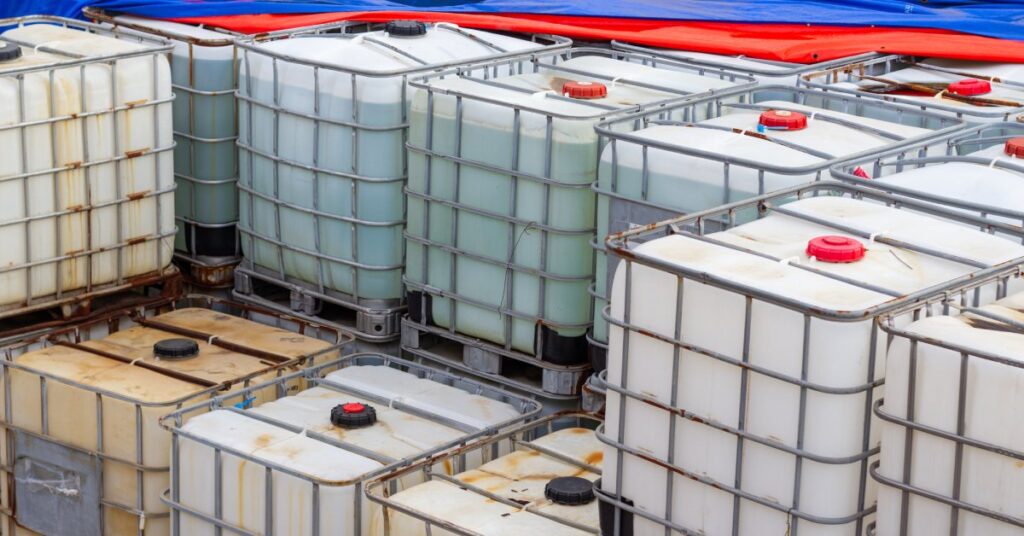
Distillation-based recovery systems represent the most widely adopted technology for solvent purification. These systems heat contaminated solvents to their boiling point, capture the resulting vapor, and condense it back into purified liquid form. Distillation systems can handle most common industrial solvents, including acetone, isopropyl alcohol, methylene chloride, and toluene. The technology works particularly well for solvents with distinct boiling points and can achieve purity levels exceeding 99 percent in many applications.
Vacuum distillation systems offer enhanced capabilities for heat-sensitive solvents or materials that decompose at elevated temperatures. By reducing atmospheric pressure, these systems lower the boiling points of both solvents and contaminants, thereby preventing thermal degradation. A specialty chemicals manufacturer successfully implemented vacuum distillation to recover pharmaceutical-grade solvents that traditional atmospheric distillation would have damaged.
Adsorption-based recovery systems use activated carbon or specialized synthetic media to capture solvent molecules from air streams. This technology excels in applications where solvents exist as vapors rather than liquids, such as drying operations or parts cleaning processes. The captured solvents can then be recovered through steam stripping or thermal desorption, creating a closed-loop system that minimizes emissions.
Membrane separation technology represents an emerging approach to solvent recovery, utilizing selective permeation to separate solvents from water or other chemicals. These systems operate at ambient temperatures and consume less energy than thermal processes, making them attractive for heat-sensitive applications. Membrane systems work particularly well for recovering alcohols from aqueous solutions and can achieve high selectivity for specific solvent types.
Industrial Applications Span Multiple Sectors
Aerospace
The aerospace industry has embraced solvent recovery systems to manage the substantial volumes of cleaning solvents required for precision manufacturing and maintenance operations. Aircraft manufacturers utilize specialized degreasers and cleaners that are significantly more expensive than commodity solvents, making the recovery economics particularly attractive. Aerospace contractors can reduce their annual solvent costs and eliminate hazardous waste by implementing multiple solvent recycling machines throughout the facility.
Pharmaceutical and Biotechnology
Pharmaceutical and biotechnology companies face unique challenges with high-purity solvent requirements and strict regulatory oversight. Recovery systems designed for these applications incorporate enhanced monitoring capabilities and validation protocols to meet FDA and cGMP requirements.
Electronics
Electronics manufacturing relies heavily on precision cleaning solvents to remove flux residues and contaminants from circuit boards and components. The miniaturization of electronic devices has increased demand for ultra-pure solvents, making recovery systems with advanced filtration capabilities essential. Several contract manufacturers have implemented recovery systems that not only reduce costs but also provide more consistent solvent quality than virgin materials.
Printing and Coating
The printing and coating industries generate large volumes of contaminated solvents from cleanup operations and equipment maintenance. Recovery systems designed for these applications must handle complex mixtures containing inks, pigments, and polymer residues.
Key Selection Considerations
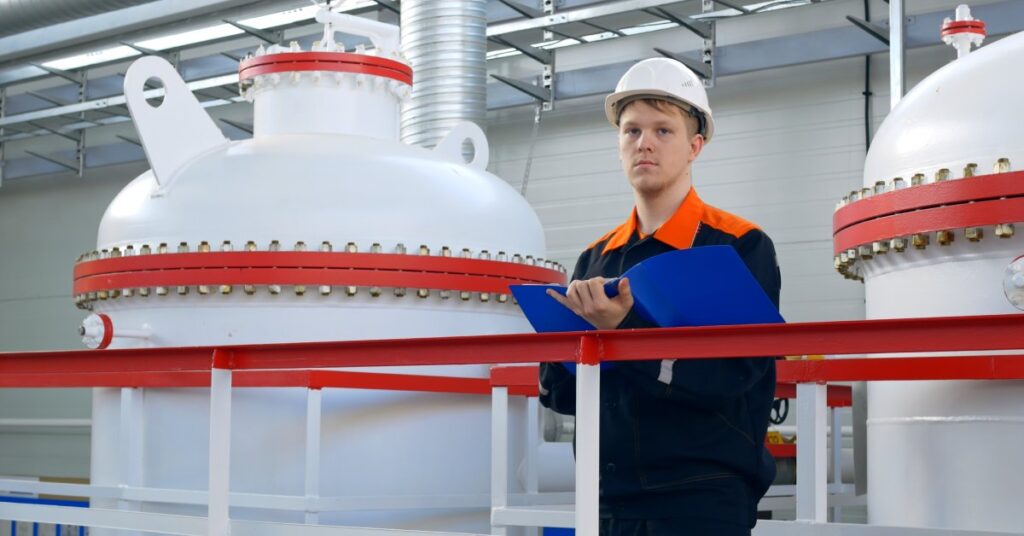
Solvent compatibility represents the primary technical consideration when selecting a recovery system. Different solvents require specific materials of construction to prevent corrosion and maintain system integrity. Chlorinated solvents, for example, require specialized alloys and sealing materials that resist chemical attack. Understanding the complete range of solvents and contaminants allows for proper system design and material selection.
Capacity requirements depend on both current solvent usage and anticipated future growth. Systems sized too small create bottlenecks in production processes, while oversized systems operate inefficiently and increase energy consumption. Most manufacturers recommend sizing recovery systems to handle nearly all current waste generation, accommodating process variations and future expansion.
Automation level affects both operating costs and system reliability. Basic manual systems require dedicated operator attention but cost less initially. Fully automated systems can operate unattended for extended periods, providing detailed process monitoring, but they need a higher capital investment. Many companies find that semi-automated systems offer the optimal balance of functionality and cost-effectiveness.
Maximizing Environmental and Economic Returns
Solvent recovery systems represent proven technology that delivers both environmental protection and economic benefits across diverse industrial applications. Companies implementing these systems typically achieve rapid payback periods while significantly reducing their environmental footprint and regulatory compliance burden. The technology has matured to provide reliable, automated operation with minimal maintenance requirements.
Achieving success with solvent recovery requires careful consideration of system selection, proper installation, and consistent maintenance practices. Companies that treat recovery systems as integral parts of their manufacturing processes rather than afterthoughts achieve the best results. The combination of environmental stewardship and cost reduction makes solvent recovery systems increasingly essential for competitive manufacturing operations.