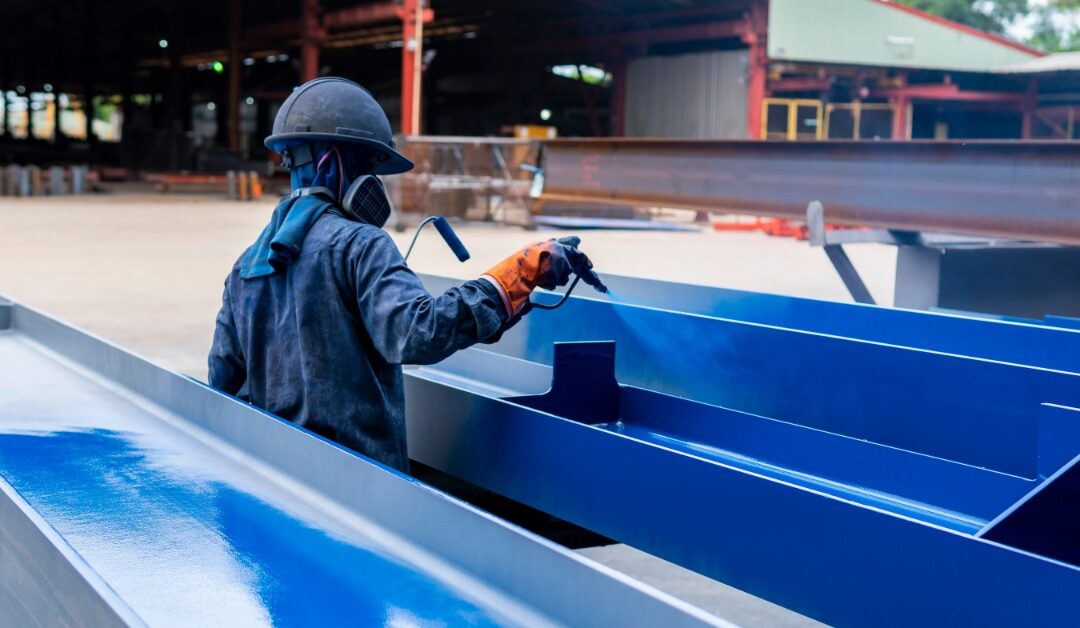
Large-scale painting operations move fast. Crews prep surfaces, clean spray guns, flush lines, wipe parts, and keep production moving through long shifts. Acetone often plays a key role in that workflow because teams rely on it for cleanup, thinning support, and residue removal across demanding paint environments.
That steady use creates a steady problem. Every gallon of dirty acetone represents money spent twice. Your facility pays for fresh solvent up front, then pays again when contaminated solvent leaves the building as hazardous waste.
Acetone reuse changes that rhythm. Instead of sending usable solvent value out the door, your facility can recover clean acetone on-site and return it to the production floor. Continue reading to discover more about supporting large-scale painting with acetone reuse.
Why Reuse Fits Paint Operations
Large-scale painting rarely follows a light-duty pattern. Production teams may clean spray equipment several times per shift. They may flush lines between colors, remove overspray, wipe fixtures, or clean parts before the next coating step. Each task can introduce additional contaminated acetone into the waste stream.
A reuse program works well because many paint-related contaminants separate from acetone through distillation. During the process, the machine heats contaminated acetone until the solvent vaporizes. The vapor then condenses back into liquid form while heavier paint residue stays behind.
That recovered acetone can return to appropriate cleaning and process-support tasks. Your team reduces the need for virgin acetone, cuts disposal volume, and keeps production supplied without waiting on as many deliveries.
A reuse strategy also helps managers view solvent as an operating asset rather than a disposable expense. That mindset fits busy paint environments, where every gallon, every drum, and every pickup affects the budget.
On-Site Recovery Keeps Teams Moving
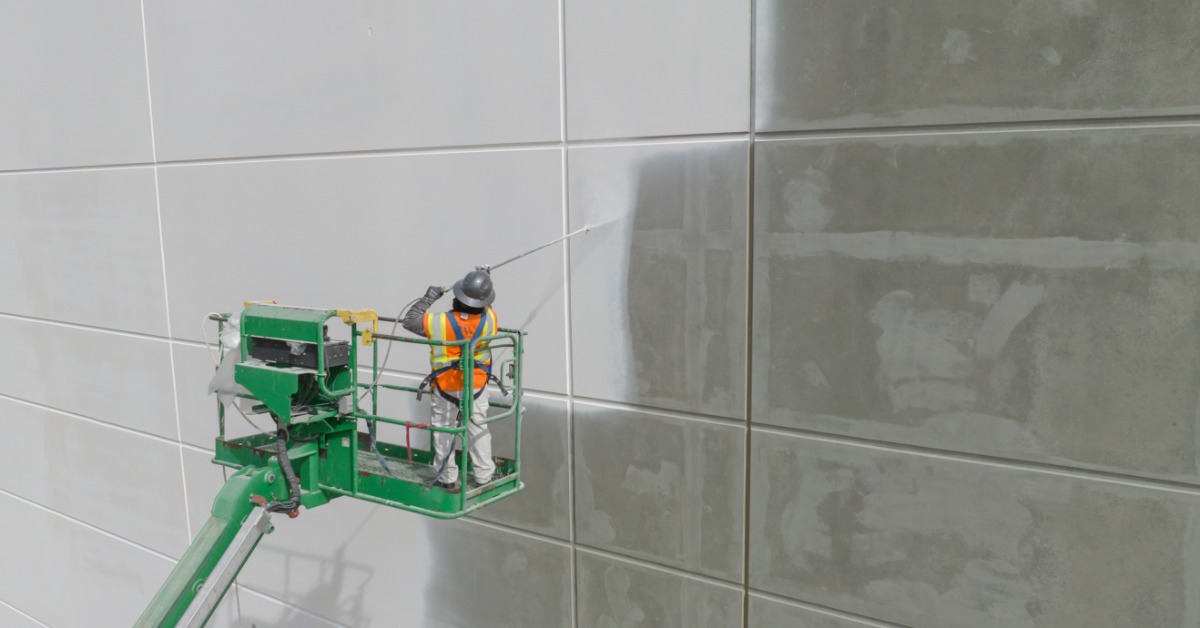
Paint operations don’t benefit from complexity. The best solvent recovery setup supports the workflow without forcing your team to slow down. Operators need a practical process that fits the floor, handles the expected volume, and doesn’t demand constant attention.
That’s where the right equipment makes a difference. A solvent cleaning machine can help a paint-heavy facility recover acetone at the point of use instead of sending every batch off-site. Your team fills the unit with contaminated solvent, starts the cycle, and collects recovered acetone for reuse.
For facilities that generate high acetone volumes, batch capacity deserves close attention. A small unit may work for a light-duty shop, but a commercial paint environment often needs equipment that can handle drum-level demand. Larger recovery capacity helps the machine keep pace with production.
Solvent Waste Management’s Model SW 55 supports facilities that need higher-volume acetone recovery. The unit can process up to 55 gallons per batch, which makes it a practical fit for teams that work through significant solvent volumes and need consistent on-site recovery.
Better Control Over Supply
Acetone reuse gives purchasing teams more breathing room. When a facility recovers a meaningful share of its dirty acetone, the business doesn’t need to buy as much virgin solvent. That reduction can lower monthly spend and reduce exposure to supplier delays.
Supply control matters for paint departments because solvent availability affects productivity. A team that runs short on acetone may delay cleaning, stretch solvent too far, or interrupt coating work. Those workarounds can create quality problems and slow the production schedule.
On-site recovery creates a more stable internal supply. Your team still needs fresh acetone, but recovered acetone can cover many cleaning tasks. That balance helps managers plan purchasing around real need rather than constant replacement.
A reuse program can also reduce drum traffic. Fewer fresh drums entering the facility and fewer waste drums leaving the facility can simplify storage areas, dock activity, and handling routines.
Less Waste Leaving the Facility
Hazardous waste disposal can drain time and money. Every spent solvent drum needs proper storage, labeling, pickup coordination, and documentation. As paint volume grows, waste volume often grows with it.
Acetone reuse attacks that problem at the source. Your team recovers the solvent and leaves concentrated paint residue behind for disposal. That smaller waste stream can reduce pickup frequency and lower the amount of hazardous material that leaves the building.
Environmental and safety managers often value that control. Less waste means fewer containers to manage and fewer opportunities for spills during handling. The facility also lowers its reliance on outside disposal schedules.
This benefit goes beyond compliance. A cleaner waste process supports a more organized shop floor. When teams handle fewer waste drums, they gain room, reduce clutter, and simplify daily solvent management.
Made for Industrial Volume
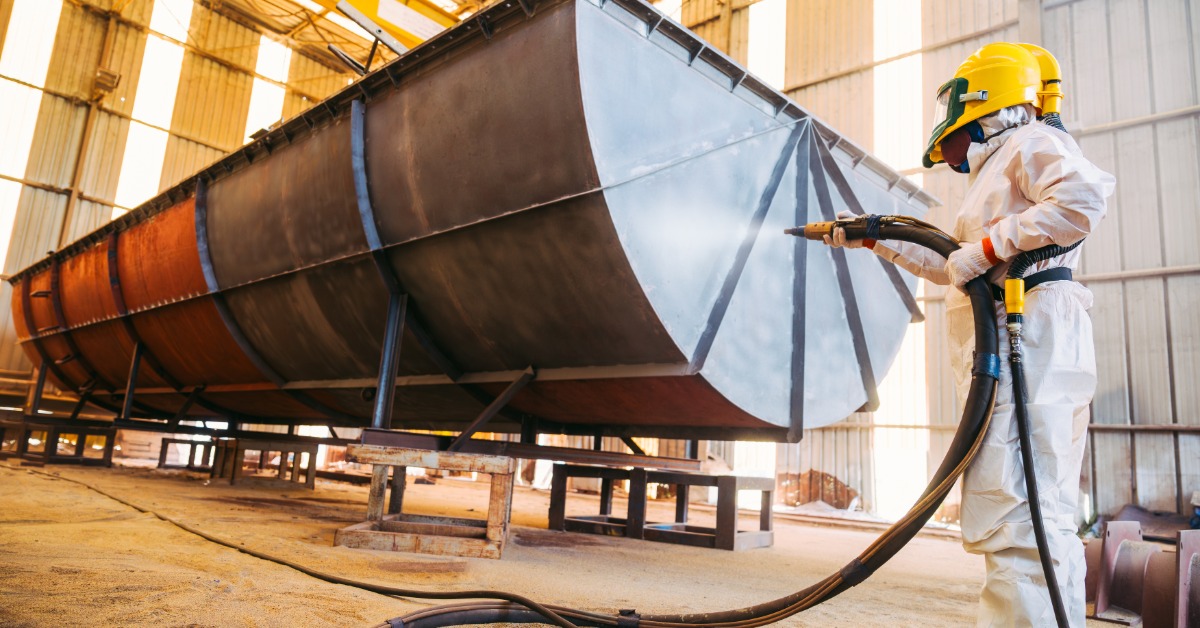
Not every paint operation needs the same recovery capacity. A small finishing room may only generate limited waste, while a railcar refurbishment facility or boat manufacturer may produce heavy acetone waste every week. Volume should guide the equipment decision.
The SW 55 suits facilities that need drum-scale recovery. With up to 55 gallons per batch, the machine can support operations that use acetone heavily and want to recover solvent without constant small-batch processing. That larger capacity can make the difference between a useful program and a program that can’t keep up.
High-volume recovery also improves the business case. A facility that uses several drums of acetone each month can see stronger savings because every recovered gallon reduces replacement purchasing. The more solvent your team runs through the machine, the more value the machine can return to the operation.
Large-scale painting demands consistency. When recovery equipment matches production volume, acetone reuse becomes a dependable part of the workflow rather than a side project.
Stronger Returns Over Time
Acetone reuse doesn’t only solve a waste problem. It can support long-term cost control. Your facility can reduce new solvent purchases, lower disposal needs, and simplify hazardous waste handling. Those savings can continue month after month.
The return depends on solvent volume. A shop that uses multiple drums each month has a greater opportunity to recover value than a shop with occasional acetone use. Facilities that generate steady waste often make the strongest case for on-site recovery.
Managers should also consider equipment life and maintenance. A durable machine with minimal service requirements can support years of recovery. Solvent Waste Management highlights long machine life and low maintenance as key advantages, which fit industrial teams seeking dependable performance after purchase.
Domestic manufacturing and support can also help buyers feel more confident. Solvent Waste Management operates out of Texas and supports customers across the country. That domestic presence can make a difference when a facility wants practical guidance from a team that understands industrial solvent use.
Cleaner Workflow, Smarter Spending
Large-scale painting will always require cleaning, flushing, and solvent handling. The question is whether your facility treats acetone as a throwaway supply or keeps that value working inside the operation.
Acetone reuse gives paint-heavy businesses a practical way to reduce waste, control costs, and support production. Your team can recover clean acetone on-site, lower fresh solvent demand, and cut the volume of hazardous waste that needs outside disposal. Those gains can improve daily workflow and strengthen the bottom line.