Manufacturers continue to seek practical ways to reduce waste, lower supply costs, and operate more sustainably. That’s one reason solvent recovery technology is increasingly popular across industries such as cabinetry, boat manufacturing, composites, commercial paint, and railcar refurbishment. Companies that use large amounts of solvent want to prevent waste from accumulating and prefer reclaiming existing material instead of purchasing new supplies.
That shift has transformed solvent recovery from a niche process into a smart operational strategy. More businesses now see recovery equipment as a key part of daily production planning instead of just a side solution for waste reduction. As expectations increase for performance, safety, and cost control, the technology continues to advance in ways that matter on the shop floor. These are the top trends in solvent recovery technology.
Demand Is Rising
The biggest trend begins with demand. More industrial operators want to recover and reuse solvents because it makes financial sense. When a facility uses enough solvent each month, disposal costs and replacement purchases can quickly add up. Recovery offers companies a way to cut both expenses simultaneously.
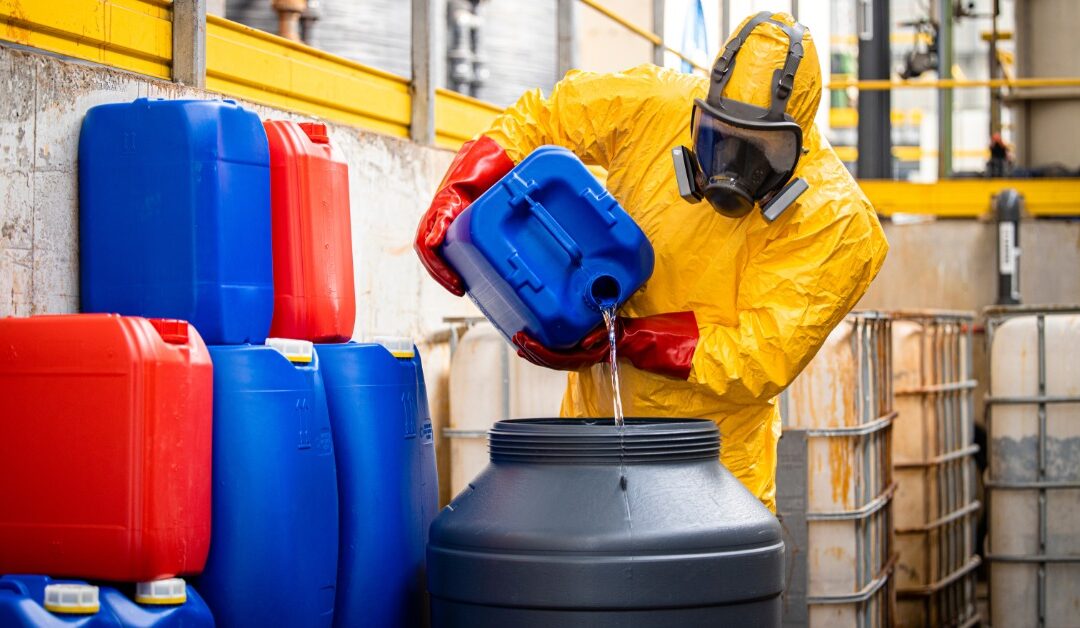
That matters even more for operations that manage hazardous waste regularly. Every drum of spent solvent creates work, costs, and compliance pressure. Recovery technology helps companies reduce the amount of waste leaving the site, which can simplify operations and improve cost control. It also supports teams seeking a more efficient way to manage materials without slowing production.
Efficiency Leads
Modern buyers don’t just want a machine that works. They want equipment that recovers usable solvent efficiently, operates reliably, and keeps up with production speed. This demand has led manufacturers to focus on improved heat management, cleaner separation, and more dependable recovery cycles.
As a result, today’s solvent recovery systems do more than just reclaim liquid. They help operators extract more value from every gallon they purchase. Improved recovery efficiency means more reusable solvent is returned to the process, and less material is discarded as waste. For companies with consistent solvent use, this enhancement can significantly impact the economics of an entire line or facility.
Efficiency also matters because downtime costs money. Equipment that operates smoothly and needs less intervention provides teams with a better experience each day. That’s why buyers are increasingly overlooking flashy claims and prioritizing durable engineering, long service life, and simple operation.
Simplicity Wins
Another clear trend emphasizes simplicity. Industrial teams prefer straightforward systems that don’t need constant adjustments or specialized attention. They seek equipment that operators can learn quickly and operate confidently. In many facilities, that preference influences purchasing decisions just as much as raw capacity.
Simple operations provide real value. They reduce training time, support safer handling practices, and make it easier to incorporate recovery into routine workflows. Additionally, they help environmental and safety managers feel more comfortable with adoption because the process remains easier to monitor and control.
That’s one reason why low-maintenance designs continue to stand out. Buyers respond favorably to systems built for long-term performance with fewer parts that can wear down or fail. When a machine offers a simple process and reliable output, it becomes easier to see it as a solid investment rather than a gamble.
Safety Gets Smarter
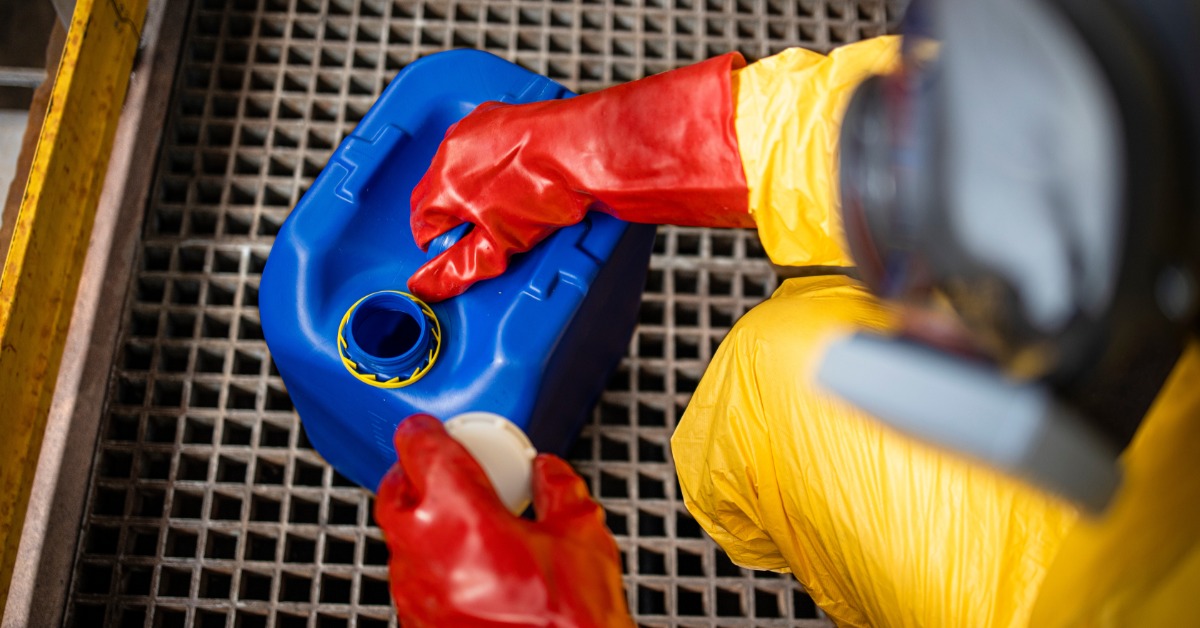
Safety has always influenced solvent handling, but current trends indicate a stronger move toward technology that enables cleaner and more controlled recovery. Companies aim to lower exposure, reduce unnecessary handling, and better contain waste materials throughout the process.
That mindset influences how recovery equipment is designed and evaluated. Buyers want clear operating procedures, reliable temperature control, and consistent performance. They also prefer machines that support internal safety goals without increasing unnecessary complexity.
For many manufacturers, solvent recovery technology now plays a part in broader risk management. Reducing the amount of hazardous waste on-site can improve housekeeping and ease some of the pressure from frequent disposal. Recovery doesn’t replace good safety practices, but it provides teams with a stronger process for handling used solvent before it becomes a bigger problem.
Domestic Support Matters
A major trend in industrial purchasing extends beyond just technology. Buyers are increasingly concerned about where equipment originates and who provides support after the sale. This is important in solvent recovery because these machines often become long-term assets closely linked to production and waste management objectives.
Companies want to know they can receive support, answers, and replacement assistance without facing long delays or uncertain supply chains. Domestic manufacturing appeals to buyers who prioritize direct access, consistent communication, and products designed for industrial use in the United States.
That preference has become especially strong among informed buyers who evaluate lifecycle value instead of just sticker price. A machine that lasts for years, remains easy to maintain, and comes with dependable domestic support often offers more value than a cheaper option that causes issues later. In this market, trust and service now influence buying trends as much as technical specifications do.
Sustainability Becomes Practical
Sustainability remains important, but the discussion has evolved. Industrial companies seek concrete actions over vague claims. Solvent recovery supports this shift because it links environmental responsibility with tangible business advantages.
When companies recover solvent on-site, they reduce waste hauling needs and decrease the demand for new solvent purchases. This can support greener operations while also enhancing cost control. For many businesses, this combination is more impactful than broad sustainability language.
This trend has helped solvent recovery gain acceptance among leadership teams and floor managers. It’s easier to support a green initiative when the same equipment also helps cut purchasing and disposal costs. The result is a more practical view of sustainability, one directly linked to efficiency, waste reduction, and long-term operational value.
Capacity Gets Strategic
Another trend involves how buyers think about machine size and throughput. Companies no longer look at capacity as a simple number on a spec sheet. They want equipment that matches their actual solvent volume, production schedule, and recovery goals.
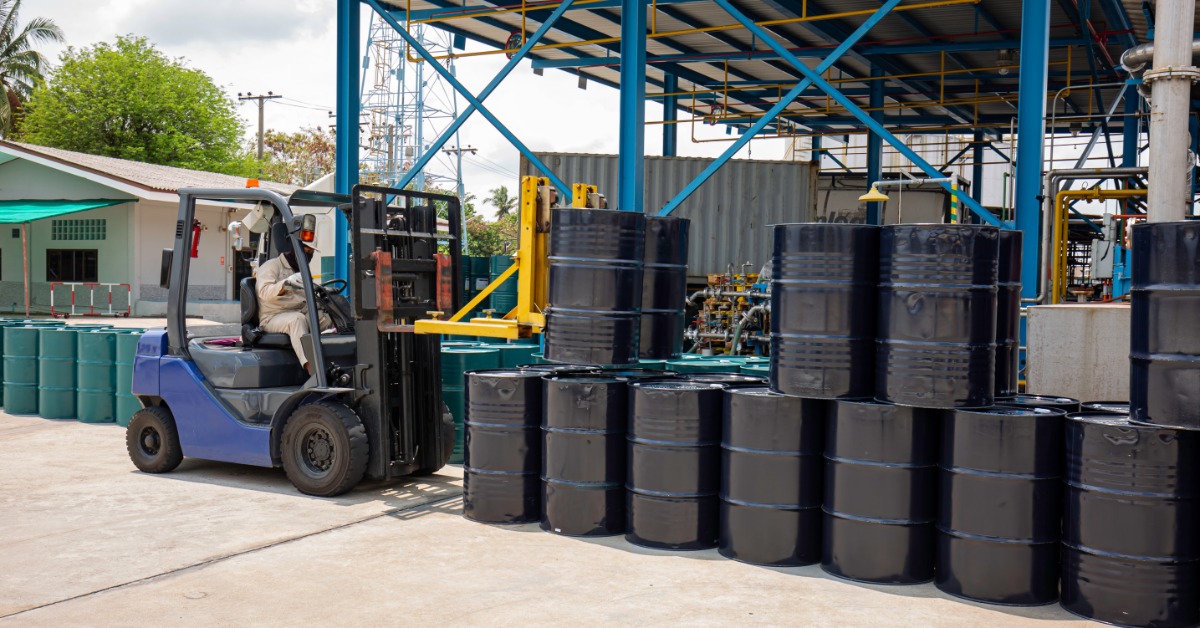
That shift leads to more strategic decisions. A facility that goes through several drums per month may see strong value in bringing recovery in-house, while smaller users may need to evaluate timing and volume more carefully. Buyers want a realistic fit, not an oversized machine that sits idle or an undersized one that slows operations.
This thoughtful approach reflects a maturing market. Customers arrive with better information and sharper questions. They want to know how recovery will affect labor, waste streams, solvent purchasing, and payback over time. That means providers need to clearly discuss application fit and focus on operational realities instead of generic selling points.
Better Fit for Industry
Technology trends also show a stronger focus on industry-specific use cases. The same recovery message doesn’t fit all markets. Cabinet manufacturers, paint-heavy facilities, composite operations, and railcar refurbishers all use solvents differently, and they assess equipment based on that.
That has driven the market toward more informed selling and smarter adoption. Buyers want to understand how recovery technology aligns with their materials, cleaning processes, and production schedules. They also seek practical guidance on when recovery is financially beneficial and how it impacts waste management routines.
As more companies research these systems before they contact us, the quality of the conversation improves. Buyers often already understand the basics of distillation and solvent reuse. What they need now is a clear path from expressing interest to implementing the solutions.
What Comes Next
The future of solvent recovery technology looks less like a dramatic reinvention and more like steady refinement. The market keeps rewarding equipment that runs efficiently, stays simple to use, supports safer operations, and delivers real savings over time. That combination speaks directly to what industrial buyers care about most.
For companies that use large amounts of solvent, the trend is clear. Recovery has become a smarter part of doing business. It helps cut waste, control costs, and make better use of materials already available. As more manufacturers seek durable solutions with long-term value, solvent recovery technology will continue to evolve from optional to essential in efficient industrial practices.