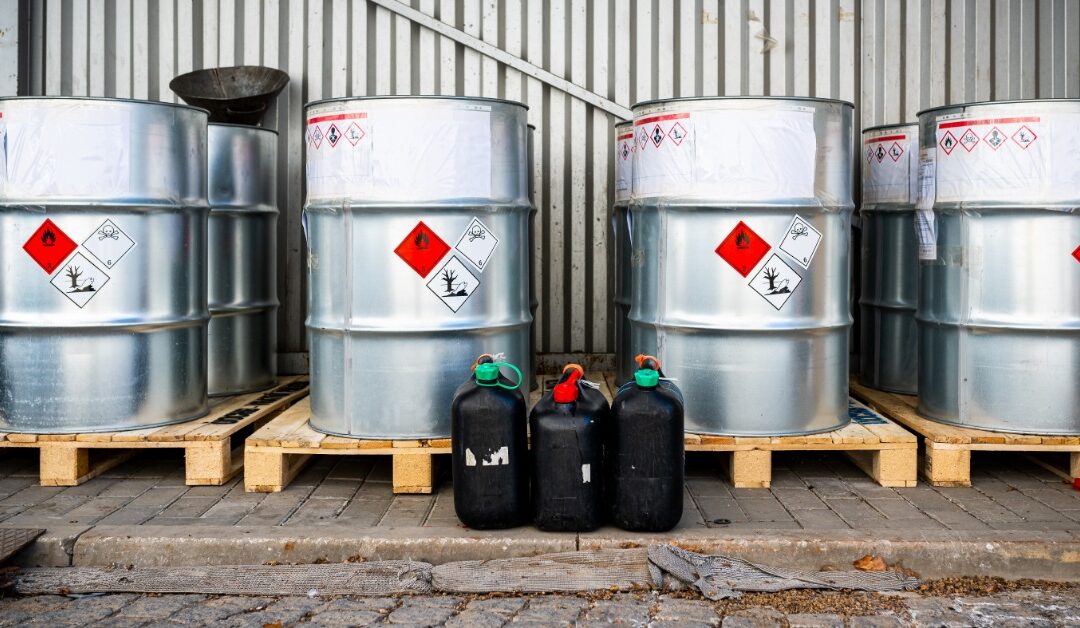
A busy finishing floor produces more than finished parts. Equipment rinses leave dirty solvent that can fill collection drums surprisingly fast. When cleaning never seems to stop, buying fresh solvent and arranging waste pickups can become a frustrating routine.
A high-capacity solvent recycler gives your team another way to handle that workload. Instead of treating every gallon of spent solvent as a disposal problem, the facility can recover suitable liquid for another cleaning job. The key is knowing what the equipment can do and how it fits your daily schedule. Here’s what to expect from a high-capacity solvent recycler.
Capacity That Matches Demand
Capacity tells you how much solvent a unit can handle during its normal operation, but the number alone doesn’t describe your whole workflow. Solvent Waste Management’s SW 55 handles up to 55 gallons per batch, which can suit facilities that collect substantial volumes of dirty solvent. A shop that cleans spray guns all day may need frequent recovery cycles.
Start by measuring how much spent solvent your employees collect during a typical day. Compare that amount with the recycler’s batch capacity and available operating hours. That simple check helps you choose equipment around real demand instead of guessing from drum size.
Recovery Happens in Cycles
A larger tank doesn’t mean the recycler can produce unlimited clean solvent without stopping. Distillation takes time, and operators must allow for shutdown and cleanup. Your team should plan a supply of usable solvent for cleaning while the machine completes its work.
The SW 55 includes a timer that shuts the unit down at the end of a cycle. Operators can coordinate batches with shift changes or other natural breaks in production. A predictable schedule helps the recovery process support cleaning rather than compete with it.
Distillation Does the Work
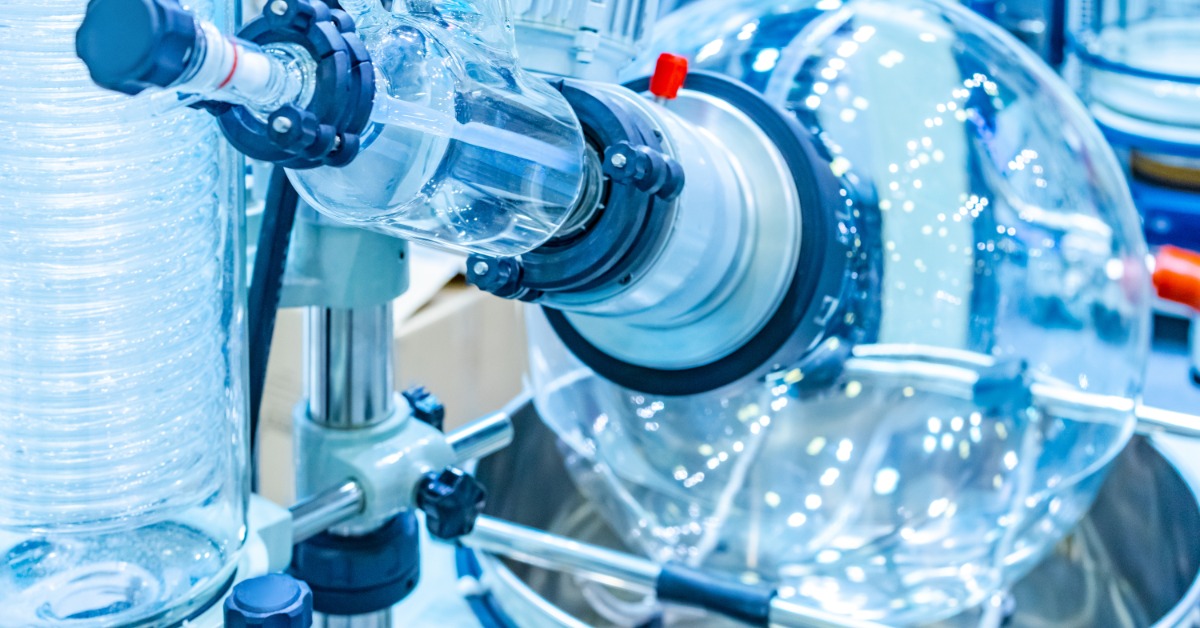
Inside the unit, heat turns suitable solvent into vapor while heavier contaminants remain behind. The system cools the vapor and collects the resulting liquid for reuse when its quality meets the cleaning task’s requirements. That recovery can reduce fresh solvent purchases.
Recovery isn’t a way to turn every dirty mixture into a perfectly pure product. The outcome depends on the solvent’s makeup and the contamination that cleaning introduces. Before running an unfamiliar material, confirm that the equipment can process it and that the recovered liquid will suit its next job.
Automatic Feed Cuts Handling
High-volume cleaning creates plenty of opportunities for workers to carry dirty solvent from one station to another. An automatic feed feature can reduce repeated manual filling during a recovery cycle, which gives operators more time for their regular production duties. The SW 55 draws contaminated solvent into the system through its feed arrangement.
That convenience doesn’t replace careful collection practices. Workers still need suitable containers and must follow the manufacturer’s instructions. Automatic feeding works best when the facility organizes its solvent stream before the liquid reaches the recycler.
Vacuum Assistance Adds Value
The SW 55 uses vacuum assistance to lower the temperature at which the solvent boils. That feature can support recovery without exposing a suitable mixture to the same boiling temperature it would require at normal atmospheric pressure. The benefit depends on the solvent and the equipment’s operating conditions.
A thinner recycler machine with vacuum assistance may appeal to shops that process substantial volumes of contaminated cleaning liquid. Still, a lower boiling temperature doesn’t guarantee a specific recovery percentage or a shorter cycle for every waste stream. Ask about performance with your own solvent.
Quality Comes Before Quantity
A full collection drum offers little value if the recovered solvent leaves residue on equipment. Operators should check whether the liquid suits an initial rinse or another approved cleaning step before sending it back to a workstation. More sensitive cleaning tasks may require additional checks.
Keeping solvent streams separate makes that decision easier. When employees mix incompatible cleaners or send unknown chemicals into a batch, they can complicate both recovery and reuse. Clear collection rules give your team a better chance of producing solvent that fits its next task.
Cleanup Should Feel Manageable
Every distillation cycle leaves contaminants in the tank, so routine residue removal comes with the job. The SW 55 offers a work-height tank and a tilt-back lid that help operators reach the cleaning area. Disposable high-temperature bags and a tapered stainless steel tank also support the cleanup process.
Operators still need to follow cooling and shutdown procedures before touching the tank or handling residue. Organized cleanup limits delays between batches. Ask your team how much time they can devote to this work before you settle on a recovery schedule.
Built-In Protection Has Limits
Many industrial solvents ignite easily, so safe operation deserves as much attention as recovery volume. The SW 55 includes heater shutdown protections for excessive temperature and pressure conditions, along with an insulated lid. Those features support safe operation when operators follow the manual.
They don’t replace training or a suitable installation. Your facility still needs procedures for ventilation and approved solvent handling, and employees must know when to stop operation. A qualified safety professional can help your team review the setup before the first batch.
Space and Collection Need Planning
Even a compact recycler can crowd a busy work area. Before installation, identify a suitable location for collecting feed solvent and receiving recovered liquid. Check the manufacturer’s clearance and ventilation requirements rather than treating any open corner as acceptable.
The SW 55 allows recovered solvent to flow by gravity into a 55-gallon drum. That arrangement gives your team a straightforward collection option, but the receiving area still needs room for safe drum handling. Thoughtful placement helps operators move solvent without crossing busy production routes.

Costs Depend on Your Volume
A high-capacity recycler can reduce spending on replacement solvent when a facility reuses enough recovered liquid. It may also cut the volume of contaminated solvent that the shop sends out for disposal. Neither benefit comes with a fixed savings figure for every operation.
Track monthly solvent purchases and the amount of liquid that recovery returns to cleaning. Include the cost of energy and remaining waste disposal when you compare the investment with your current process. That comparison beats focusing on capacity alone.
Support Counts After Installation
When a recycler becomes part of the daily cleaning schedule, operators need reliable guidance if a question comes up. Solvent Waste Management makes its equipment in Texas and supports customers domestically. Ask about routine maintenance and operator training before you commit to a model.
Your team should also know whom to contact if recovered solvent quality changes or a safety control interrupts operation. Clear service procedures help prevent employees from improvising repairs. The right support relationship makes it easier to keep recovery aligned with production needs.
Keep Cleaning Supplied
You can expect a high-capacity solvent recycler to make solvent management more practical, not add another source of confusion to your shift. Look for a workable match between batch capacity and the volume of dirty solvent your crews generate. Then give employees a routine they can follow without losing sight of cleaning quality or safety.
Solvent Waste Management’s SW 55 offers automatic feeding and vacuum-assisted recovery for facilities with substantial solvent use. If your shop regularly fills drums with spent cleaner, review your usage and contact Solvent Waste Management to discuss whether the unit fits your operation.