High-output facilities move fast. Crews clean tools, flush lines, prep parts, coat surfaces, and manage production schedules that don’t leave much room for downtime. When solvent use climbs, waste builds just as quickly. That creates a familiar cycle for many manufacturers. They buy solvent, use it, store the waste, pay for disposal, and buy more.
A 55-gallon solvent recovery unit gives high-output facilities a smarter way to handle that cycle. Instead of treating used solvent as a one-way expense, facilities can reclaim it on-site and put it back to work. For shops that generate large amounts of contaminated acetone, thinner, or other solvents, that shift can support cleaner workflows, lower purchasing needs, and tighter control over hazardous waste.
Built for Volume
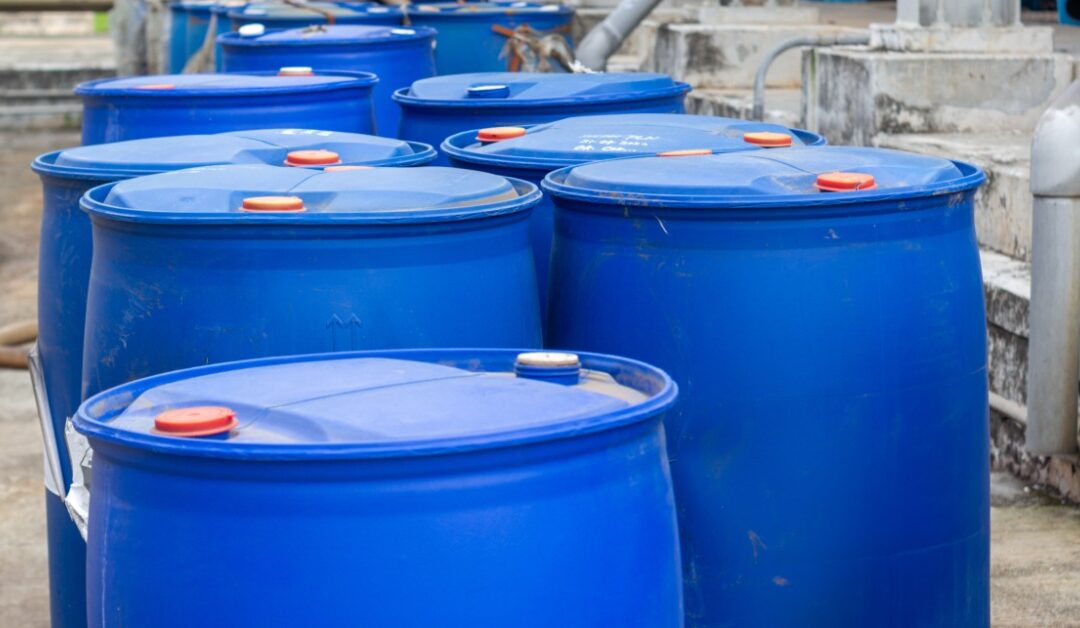
Smaller solvent recovery units can help lower-volume shops, but high-output facilities need equipment that keeps pace with daily demand. A 55-gallon unit fits operations that generate drum-level waste on a regular basis. That capacity gives teams room to process larger batches without constantly stopping to reload the machine.
That makes a difference in environments where crews use solvent across multiple workstations. Cabinet manufacturers may clean spray guns, pumps, and finishing equipment throughout the day. Boat builders may use solvents during fiberglass, paint, or adhesive work. Paint shops may move through gallons of thinner as they clean equipment between jobs.
When a facility fills waste drums quickly, a larger recovery unit helps the team manage that waste before it piles up. Crews can process more used solvent in each cycle, which helps keep production areas organized and reduces the need for excess storage space.
Less Waiting
High-output teams don’t want solvent handling to slow production. A 55-gallon unit supports a smoother routine because it handles bigger loads with less operator attention. Instead of assigning employees to frequent small-batch recovery cycles, managers can build solvent recycling into the facility’s normal workflow.
Many operations benefit from features that reduce hands-on work. Automatic feed capabilities can move contaminated solvent into the unit, and timer shutdown helps operators start a cycle without hovering over the machine. A vacuum-assisted system can also support efficient recovery by helping the unit process solvent at lower boiling temperatures.
That kind of setup helps busy teams keep solvent management from becoming a daily bottleneck. Operators still need proper training and safe handling procedures, but the right machine can make the process simple enough for regular use.

Better Waste Control
Hazardous waste can create real pressure for industrial facilities. Used solvent often requires careful storage, labeling, transportation, and disposal. When waste volumes climb, the process can become expensive and inconvenient.
A 55-gallon solvent recovery unit helps high-output facilities reduce the amount of waste they send out for disposal. The machine separates usable solvent from paint residue, resin, oil, dirt, and other contaminants through distillation. The recovered solvent can return to suitable cleaning or process applications, while the leftover waste takes up far less space than the original contaminated liquid.
That reduction can help environmental and safety managers gain better control over waste handling. It can also help operations reduce calls for disposal pickup and avoid storing drum after drum of spent solvent. For facilities that want to improve housekeeping and lower reliance on outside disposal vendors, on-site recovery offers a practical path.
Smarter Solvent Spending
Solvent costs add up quickly in facilities that use acetone, lacquer thinner, or other cleaning solvents every day. A high-output operation may go through multiple drums in a short period, especially when crews clean spray equipment, mixing containers, parts, hoses, and tools.
A 55-gallon unit helps teams reclaim solvent that they’ve already purchased. That recovered material can reduce the amount of virgin solvent the facility needs to buy. The savings can become meaningful when a shop processes several drums each month.
A thinner recycler machine works especially well for facilities that generate steady streams of used thinner from paint and coating operations. Instead of sending that liquid out as waste after one use, the facility can recover usable thinner and bring it back into the cleaning process. That creates a more efficient loop and helps managers stretch their solvent budget.
The payoff depends on solvent volume, purchase costs, disposal fees, and how consistently the team uses the machine. Still, facilities with high solvent use often have the strongest case for larger recovery equipment because they have more material available to reclaim.
Strong Fit for Production Floors
Industrial equipment has to fit into real production environments. Managers need machines that can handle frequent use without creating layout headaches or maintenance problems. A 55-gallon solvent recovery unit gives high-output facilities capacity, but it also needs practical features that support daily work.
A compact footprint helps facilities place the unit where it makes sense for solvent flow. A convenient tank height makes loading and cleaning easier. A tilt-back lid and quick-open features can help operators access the tank without awkward handling. Disposable high-temperature bags and a tapered stainless steel tank can also make cleanout more manageable.
These details may sound small, but they affect whether a team uses the machine consistently. When recovery feels simple and manageable, employees can build it into their routine. When the process feels clunky, the machine can sit idle while waste drums keep filling up.
Safety Comes First
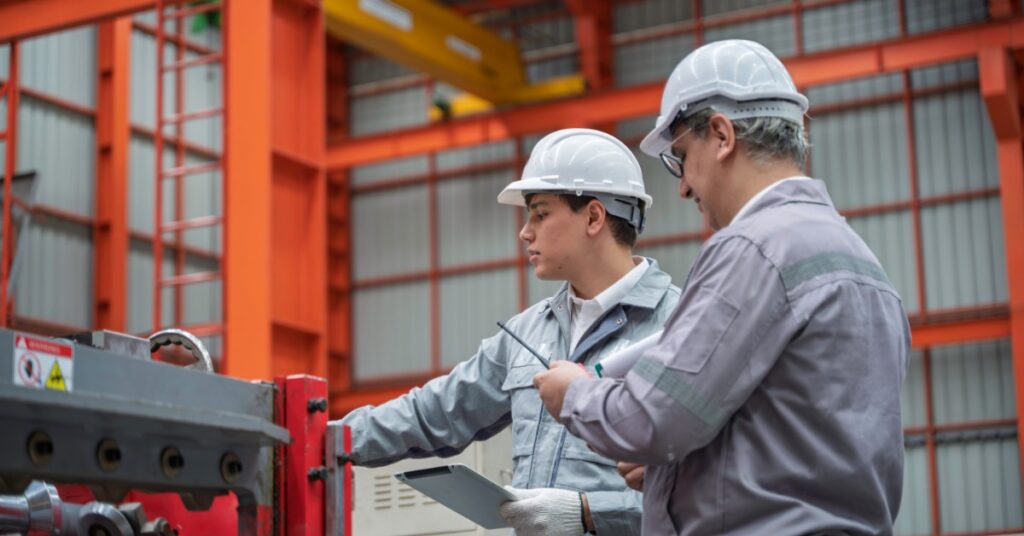
High-output facilities need solvent equipment that supports safe operation. Solvents can create fire, vapor, pressure, and temperature concerns, so manufacturers need equipment with thoughtful safety features.
A closed-loop recovery system helps contain solvent during processing. Stainless steel construction gives the unit durability for industrial use. An insulated lid can help control heat exposure, while a raised control panel with indicator lights helps operators monitor the process. Automatic heater shutdown for excessive temperature and pressure conditions adds another layer of protection.
Safety also depends on training, placement, ventilation, compatible solvents, and proper procedures. A machine can support safer handling, but managers still need clear rules for use. The best results come from pairing dependable equipment with disciplined operating habits.
Less Clutter
A facility that uses a lot of solvent can quickly collect full waste drums, empty solvent containers, contaminated rags, and cleaning residues. That clutter can make production areas harder to manage. It can also create more work for the employees responsible for waste staging and pickup coordination.
On-site recovery helps reduce that clutter by changing how solvent moves through the facility. Instead of treating each drum of used solvent as a disposal problem, the team can process it and recover usable material. That recovered solvent can return to storage for reuse, while the remaining residue takes up less room.
Cleaner solvent flow can support better organization across paint rooms, finishing areas, maintenance departments, and production floors. Teams can track solvent use more clearly, reduce unnecessary drum movement, and keep waste from becoming a constant distraction.
Reliable Daily Use
High-output facilities don’t just need capacity. They need equipment they can rely on. A solvent recovery unit has to perform consistently because production teams depend on steady solvent availability.
A simple operation can make a major difference. When employees can fill the tank, start the cycle, and follow a repeatable process, the machine becomes part of the workflow. Low-maintenance design also appeals to facilities that already manage many moving parts across the production floor.
Domestic manufacturing and support can also influence buying decisions. Facilities often want help from a team that understands the equipment and can answer questions without long delays. For managers who value practical service after the sale, support access can carry real weight.
A Practical Choice
A 55-gallon unit doesn’t fit every shop. Smaller facilities with light solvent use may not need that much capacity. But high-output operations face a different challenge. They generate more waste, buy more solvent, and spend more time managing the gap between use and disposal.
For those facilities, larger recovery equipment can deliver a better match. It helps teams process drum-level waste, reduce disposal needs, reclaim usable solvent, and keep production moving. It also supports the kind of repeatable workflow that busy crews need.
Manufacturers choose 55-gallon solvent recovery units because they solve a practical problem at the right scale. When solvent use becomes part of daily production, waste management can’t stay reactive. A larger recovery unit helps facilities take control, cut unnecessary spending, and turn used solvent back into a resource.